


 Owl Moon |


“I was not disappointed. My brothers all said sometimes there is an owl and sometimes there isn't.“


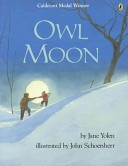
“I was not disappointed. My brothers all said sometimes there is an owl and sometimes there isn't.“
Owl Moon is a poetic tale of a child and parent searching for an owl on a snowy night. In the classroom, it can spark lessons on patience, family bonds, and respect for nature while building observation skills, descriptive writing, and connections to science and the outdoors.
 pick
pickOwl Moon is a quiet, poetic story of a child and father venturing into the snowy night to spot an owl. With lyrical language and serene illustrations, it captures the magic of nature, patience, and family bonds. A timeless winter classic that invites wonder and reflection.
Genre: Caldecott Medal winner
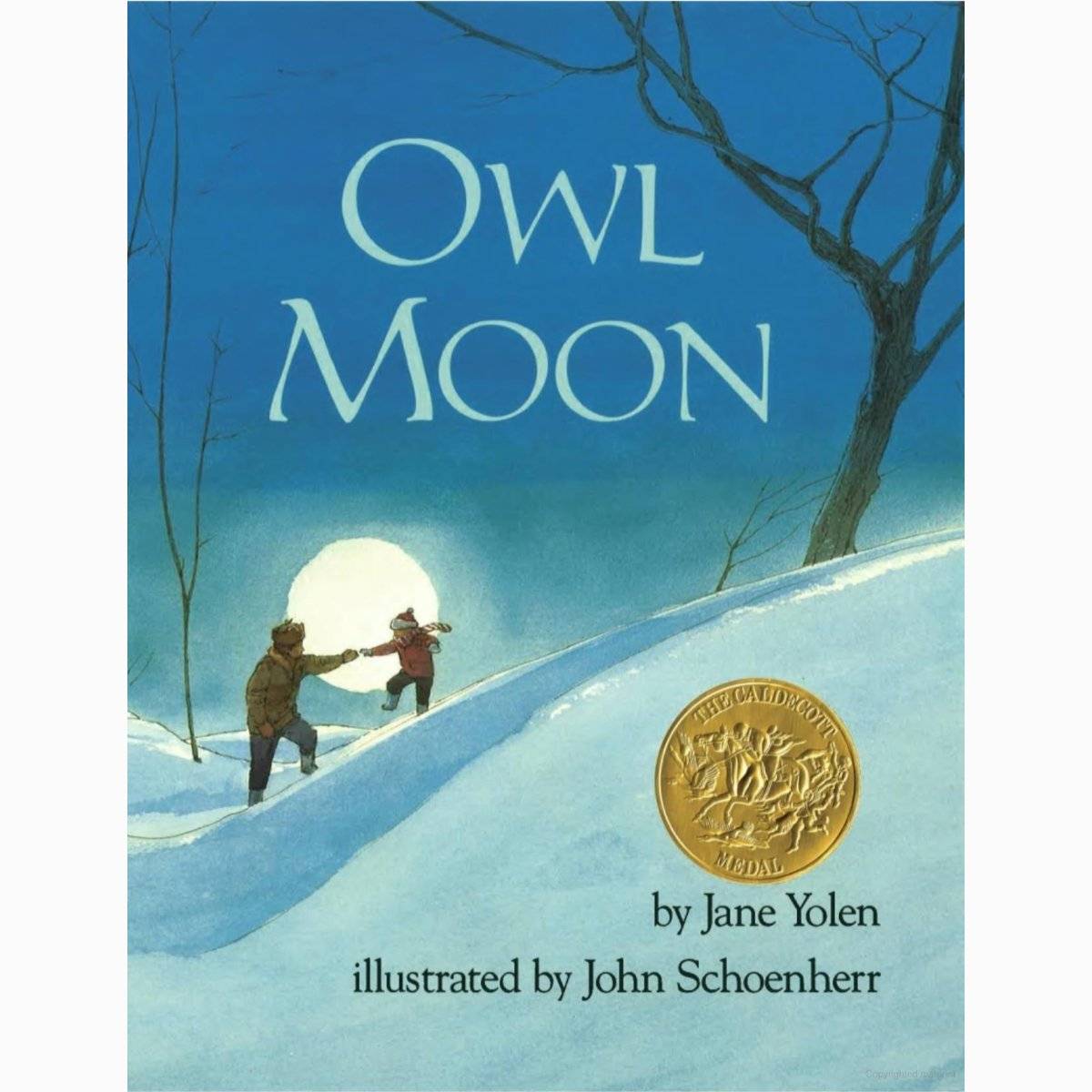
This book is great for older elementary ages. It's advanced descriptive language, calm pacing, and beautiful illustrations make it an excellent read-aloud for younger children, while its themes of patience, family bonding, and respect for nature provide meaningful discussion opportunities for slightly older students.
“I didn't ask what kind of things hide behind black trees in the middle of the night. When you go owling you have to be brave.”
I could use this book to teach students about different kinds of animals and various things that might happen in a winter habitat.
 so-so
so-soOwl Moon won the 1988 Caldecott Medal for its evocative illustrations by John Schoenherr. This is a serene and poetic story of a child and a father going owling on a quiet winter night. Its gentle, lyrical text and beautiful, atmospheric illustrations capture the magic of nature, patience, and the special bond between parent and child.
pickCaldecott award winner: (1987) This is a gentle story about a young child who goes owling with their father on a cold winter night. As they walk quietly through the snowy woods, the child learns patience, hope, and the magic of nature, until at last they spot a great horned owl.
“I was not disappointed. My brothers all said sometimes there is an owl and sometimes there isn't“.
I could use Owl Moon to explore topics like nature, patience, and family connections. After reading, students can write or draw about special outdoor experiences, practice descriptive “winter night” writing, or learn about owls and their habitats. The book encourages observation, imagination, and appreciation of quiet moments in nature.
This book could be used when examining choices that are made by the illustrator when it comes to designing books, especially the use of color to express emotions. This is also a good story to discuss figurative language and students could be asked to draw their own interpretations of scenes based on what the author had written.
so-sogenre- caldecott
publication year- 1987
Owl Moon is a story about a child and father walking through the snowy woods at night to look for owls. The quiet, poetic words and soft illustrations capture the magic of nature and family. It teaches patience, wonder, and the beauty of sharing special moments together.
“The world is full of eyes that watch all the time, and the night has eyes too.”
I‘d use this in grades K–3 to teach sensory language, imagery, and descriptive writing. Students could go on a “nature walk” and record observations like the story, or create winter-themed art inspired by the illustrations. It also supports lessons on patience, observation, and family bonding.
When you go owling you don't need words or warm or anything but hope.“
pickThis book is a Caldecott Medal picturebook. It was published in 1987. The illustrator uses watercolor and pen-and-ink illustrations with muted, soft tones to create the quiet, cold beauty of a winter night. The story explores patience, wonder, and connection with nature. The story follows a young child and their father on a nighttime owl-watching trip. The characters‘ love and shared quiet determination are evident in their actions and expressions
This book could be used for a variety of ages. It has incredible imagery and could be used to teach students how to write descriptively.
In the classroom, it works beautifully for lessons on imagery, patience, and making connections between text and illustration.
“It was late one winter night, long past my bedtime, when Pa and I went owling. There was no wind. The trees stood still as giant statues. And the moon was so bright the sky seemed to shine.”
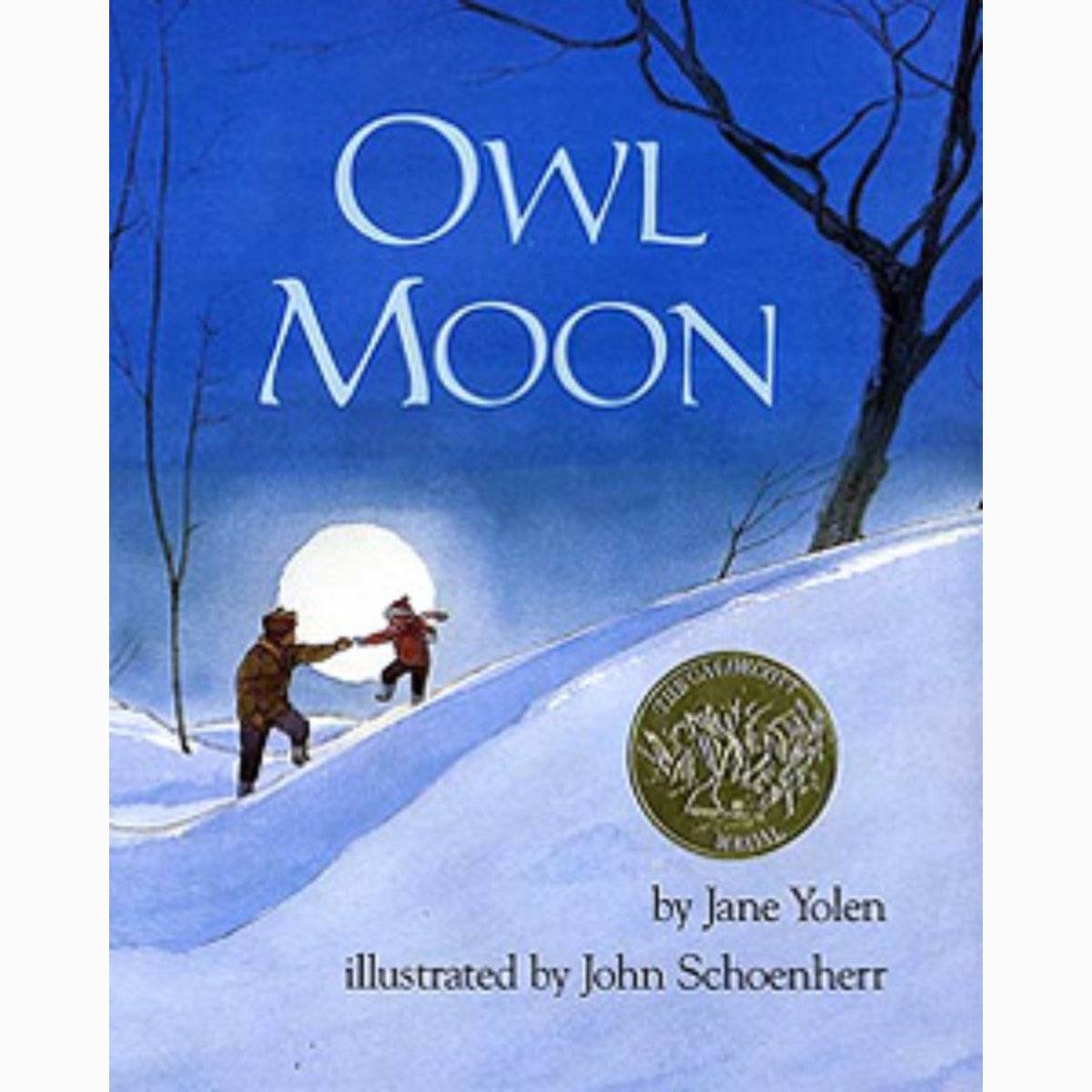 pick
pickOwl Moon (1987), illustrated by John Schoenherr, is a gentle, poetic story about a child and their father going owling on a quiet winter night. Through lyrical language and atmospheric illustrations, the book beautifully captures the magic of nature, patience, and bonding. Winner of the 1988 Caldecott Medal, it‘s a timeless celebration of wonder and family connection.
In the classroom, I would use it as a mentor text for teaching sensory details in writing.
 pan
panOwl Moon is a gentle, poetic story about a child and father going owling on a quiet winter night. Jane Yolen‘s lyrical language captures the stillness of nature, while John Schoenherr‘s illustrations create a peaceful, magical atmosphere.
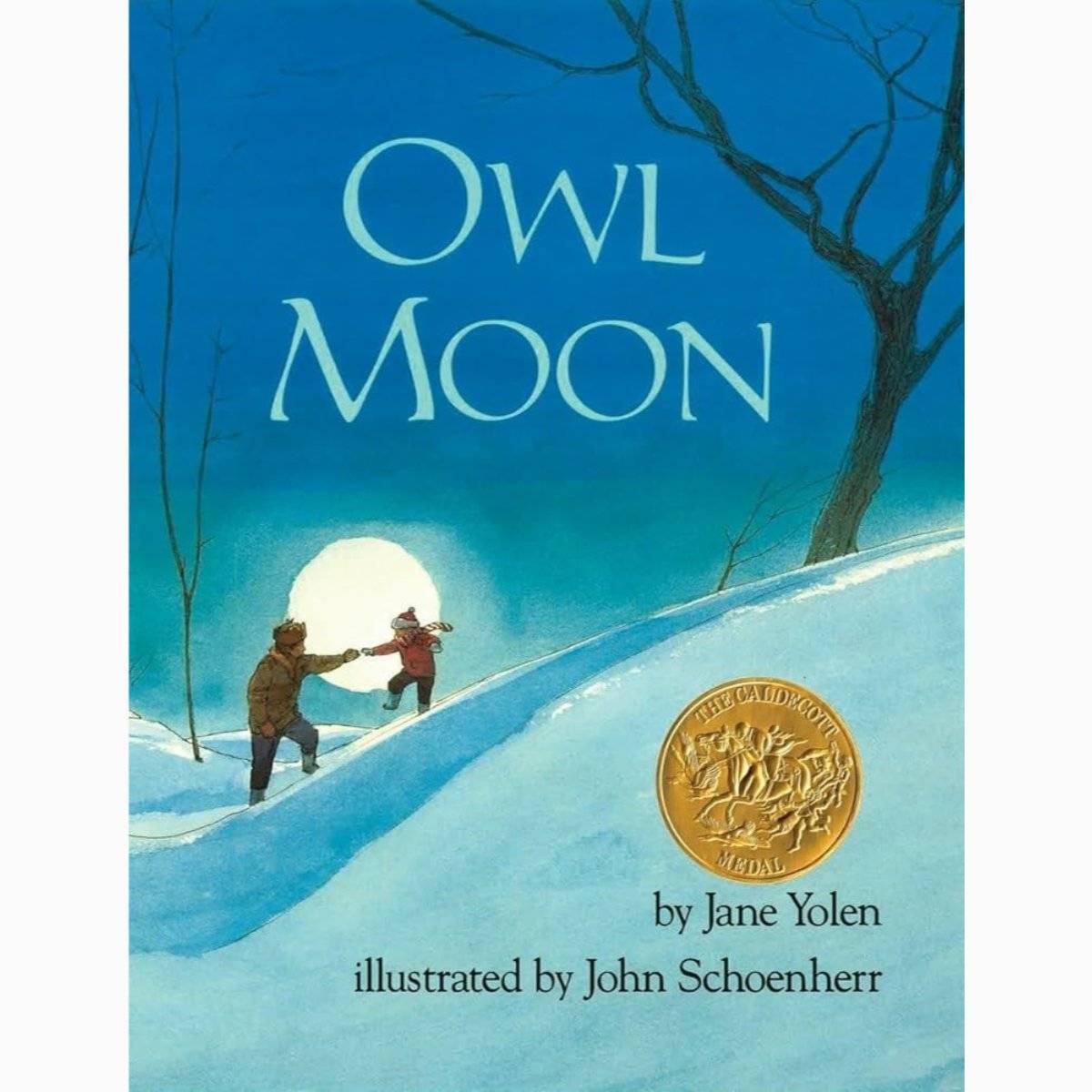 pick
pickOwl Moon (1987)
This gentle story follows a child and parent on a quiet, late-night search for owls. It uses rich imagery to capture both the beauty of nature and the warmth of family bonds.
“We went owling, just me and my father. And we went owling alone, without a word, into the deep, silent woods.”
so-soCaldecott Medal picture book published in 1987. Owl Moon tells the story of a child going owling with their father on a quiet winter night, experiencing the stillness of nature and the excitement of discovery. The book emphasizes themes of patience, observation, and the parent-child bond, helping students understand the importance of slowing down and noticing the world around them.
As a teacher, this book can be used to address the observation, patience, and the beauty of the natural world, while highlighting the bond between the parent and child or between the teacher and students.
In the classroom, it can be used to teach observation skills, patience, and connecting with nature, while also exploring descriptive language, sensory imagery, and the bond between parent and child.
panCaldecott Winner- 1987-Owl Moon is a quiet, lyrical picture book that follows a young child and their father on a nighttime adventure to see an owl. Jane Yolen‘s poetic text captures the magic and patience of being in nature, while John Schoenherr‘s gentle illustrations bring the snowy woods and the mysterious owl to life.
Owl Moon is a Caldecott Award winning book published in 1987 poetically written to create imagery for the reader. While the words say enough, the illustrations compliment the author's writing. I would use this book mainly in a third to fifth grade classroom on a snowy day, and allow it to inspire students to write poetry about their experience in the snow.
I would use Owl Moon to teach about nature, patience, and observation skills. It‘s perfect for lessons on descriptive language, sensory details, and connecting with the outdoors.
pickCaldecott Medal Winner, 1987, Owl Moon is a gentle, beautiful story about a child and their parent going owling on a quiet winter night. It‘s a peaceful tale about nature, patience, and wonder.
This can be used to teach student how to be patient and quiet. Students can also learn lots of imagery from this story.
pickThis book creates a beautiful sense of imagery by simply the words in the book, and the illustrations align to create a sense of calm. This book reads about a little girl and her father as they go on an snowy adventure to find an owl.
so-soOwl Moon is a story about a child and their father going owling on a winter night. The pictures show the peaceful snow and forest. I liked it because it feels calm and shows the special bond between parent and child.
Owl moon would be a spectacular book for 2nd and 3rd graders. This a time when students are starting to add more details to their writing. This story has beautiful details and shows students how important they are in writing. As well as serves as a good conversation piece on patience and if they could be quite in the woods to go owling.


