“Progress has never been a bargain. You have to pay for it.“

This book could be used in a high school setting. I think a lot of great conversations could be had from reading this book.
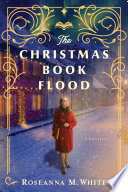
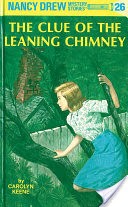
This book could be used in a high school setting. I think a lot of great conversations could be had from reading this book.
 pick
pickThis historical fiction book published in 1969 is a fascinating read inspired by the Spokes Trials. This was a trial in which a teacher was prosecuted for teaching his students about evolution. It was super to read, especially as a future educator.
This is a book that is suitable for any age. I probably would not use it in my instruction because I think there are better choices for children's biographies. I would have the book in my classroom library though.
 so-so
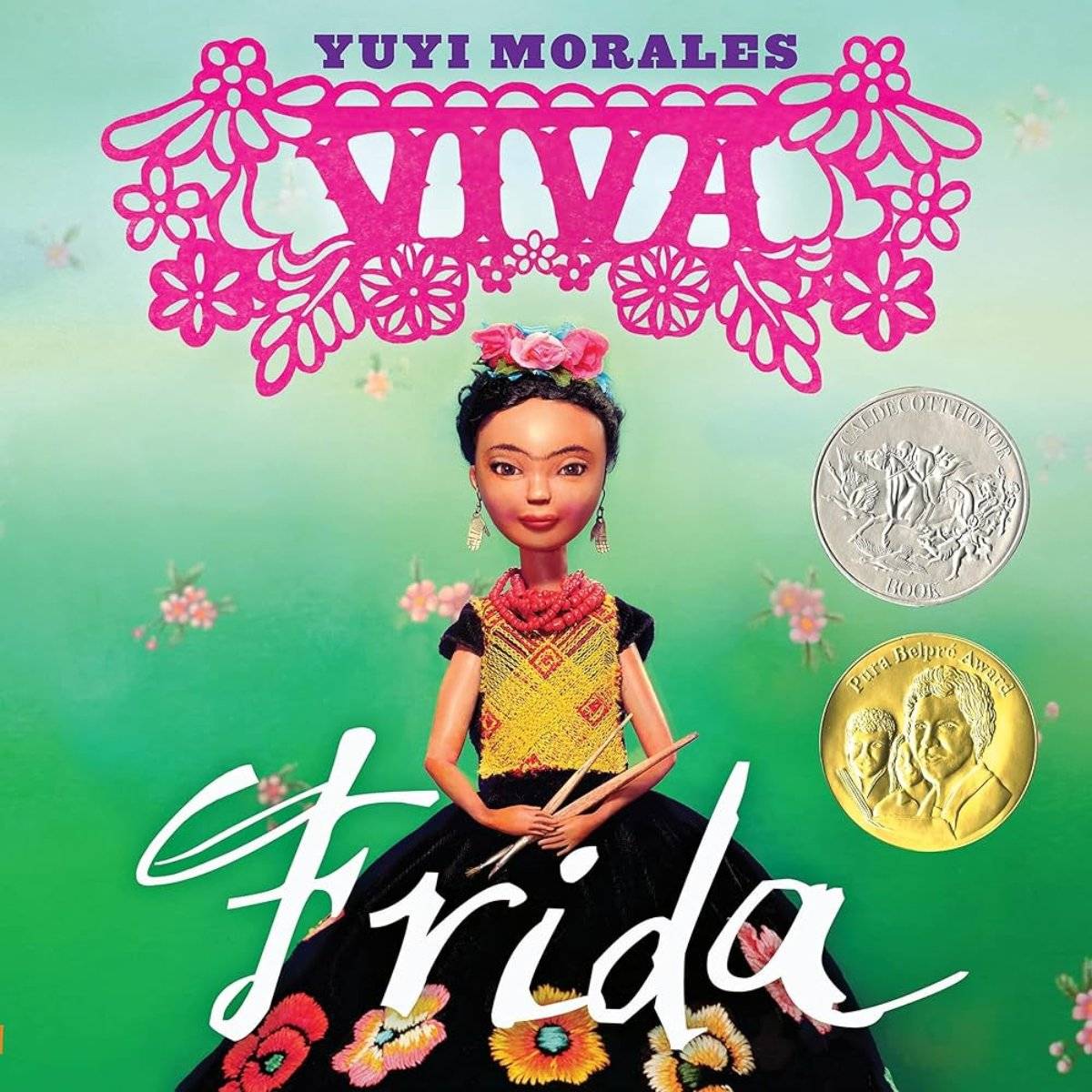
so-soThis is a historical fiction book was published in 2014. It tells the story of Viva Frida, a Mexican painter. She contracted polio when she was 6 years old. Then, she was in a terrible bus accident and began painting. She created many paintings in her lifetime. The book is very minimal in text, and the artwork is interesting.
“This is what I want the world to know about me. My art-- My truth.“
I think this book would be very useful and impactful in a high school setting. I do not think that this book is appropriate in an elementary setting. However, for older students I think it could facilitate productive thought and discussion.
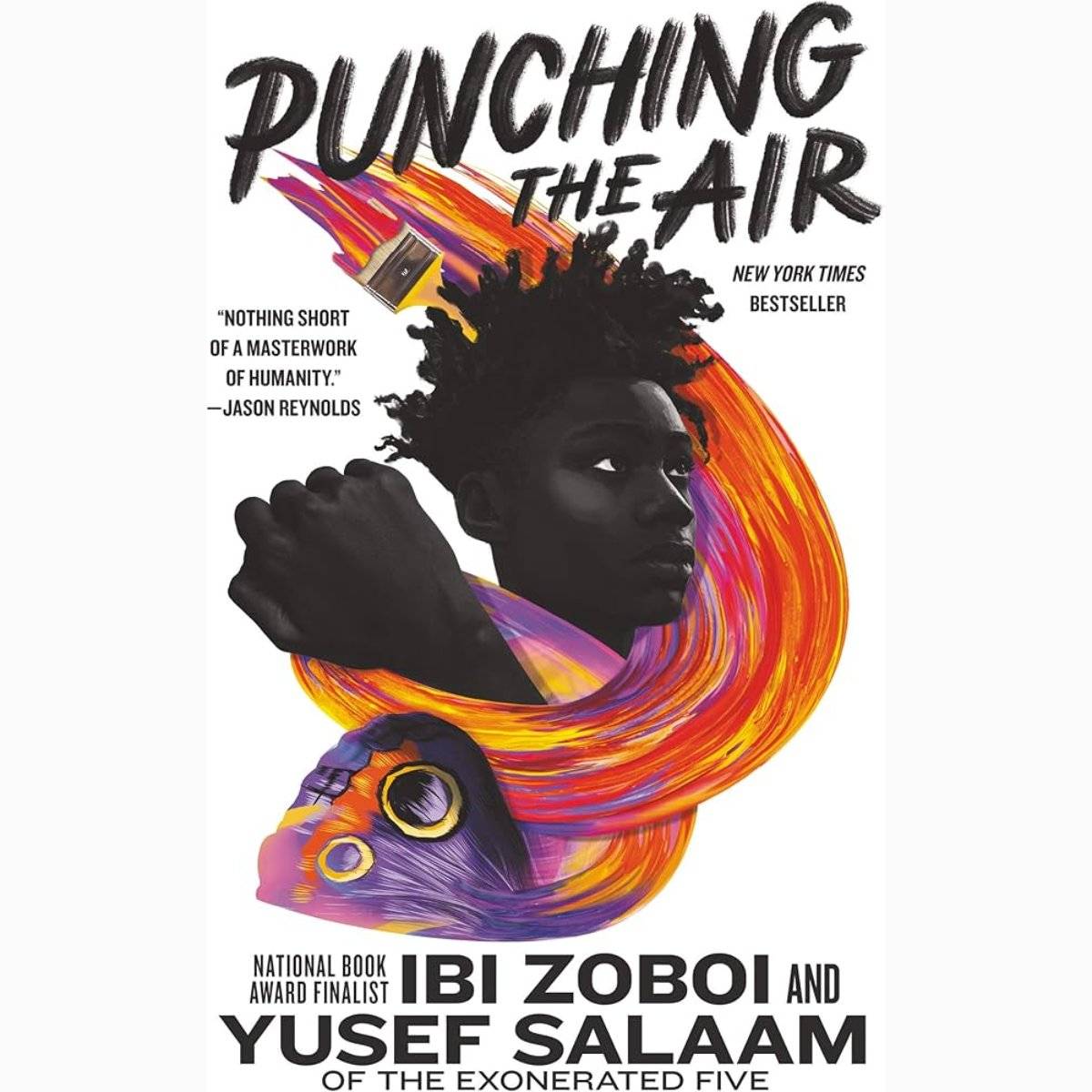 pick
pickThis is a contemporary realistic fiction book. This book is written in free verse, making it easy to read and very illustrative. This book deals with big themes of racial prejudice and stereotyping. The main character is very reflective and learns about who he is while in prison for a crime he did not commit.
The story encourages imagination and helps students think about right and wrong. Using the graphic novel version makes the themes easier to understand through pictures, which supports younger or struggling readers. It can also connect to lessons in science and art, making learning fun and meaningful.
 so-so
so-soThe graphic novel adaptation of A Wrinkle in Time by Madeleine L'Engle makes complex themes like identity, love, and good vs. evil more accessible through vivid illustrations and clear dialogue. Emotions are shown visually, helping younger readers grasp abstract ideas. The format simplifies the narrative while keeping its depth and emotional impact intact.
“If you can't see in far enough, then get on this board and I'll push you in. There's plenty of room in the oven. Once you are inside you can take a good look.“
It can be used to teach story elements, morals, reading comprehension, and to spark discussions on courage, problem-solving, and kindness. Great for art and drama activities too!
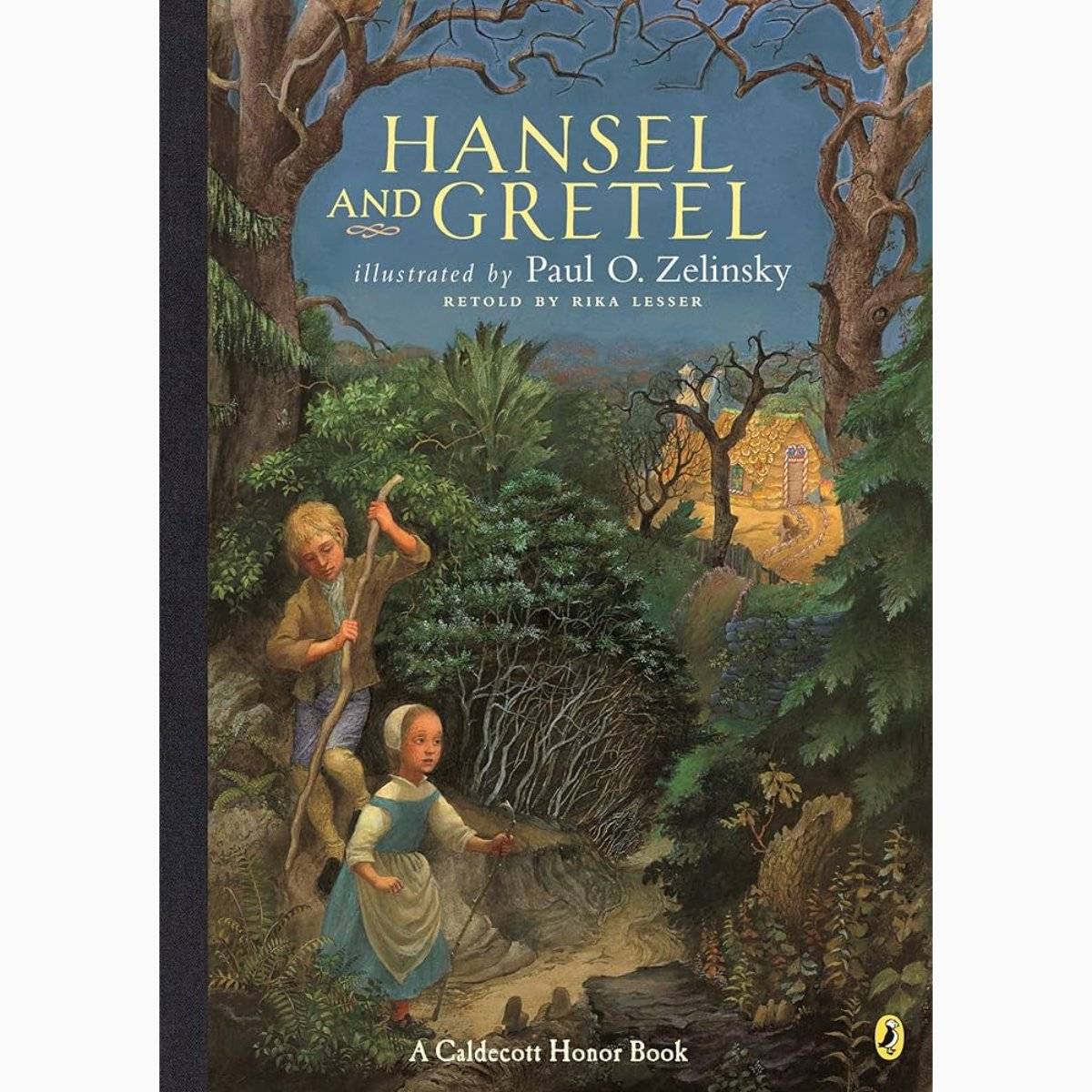 pick
pickThis book is a Caldecott book, published in 1985. It is a fairytale because of its traditiona; origin, magical elements, moral lessons, and resolution. A true fairytale with danger, magic, and a clever, happy escape.
“The wolf lifted the latch and opened the door. He ran straight to the bed, and without even saying a good-morning, he ate up the poor old grandmother in one gulp.“
This is a great, classic book with powerful illustrations. It used repetition, pattern-phrasing, and is engaging and interesting to students.
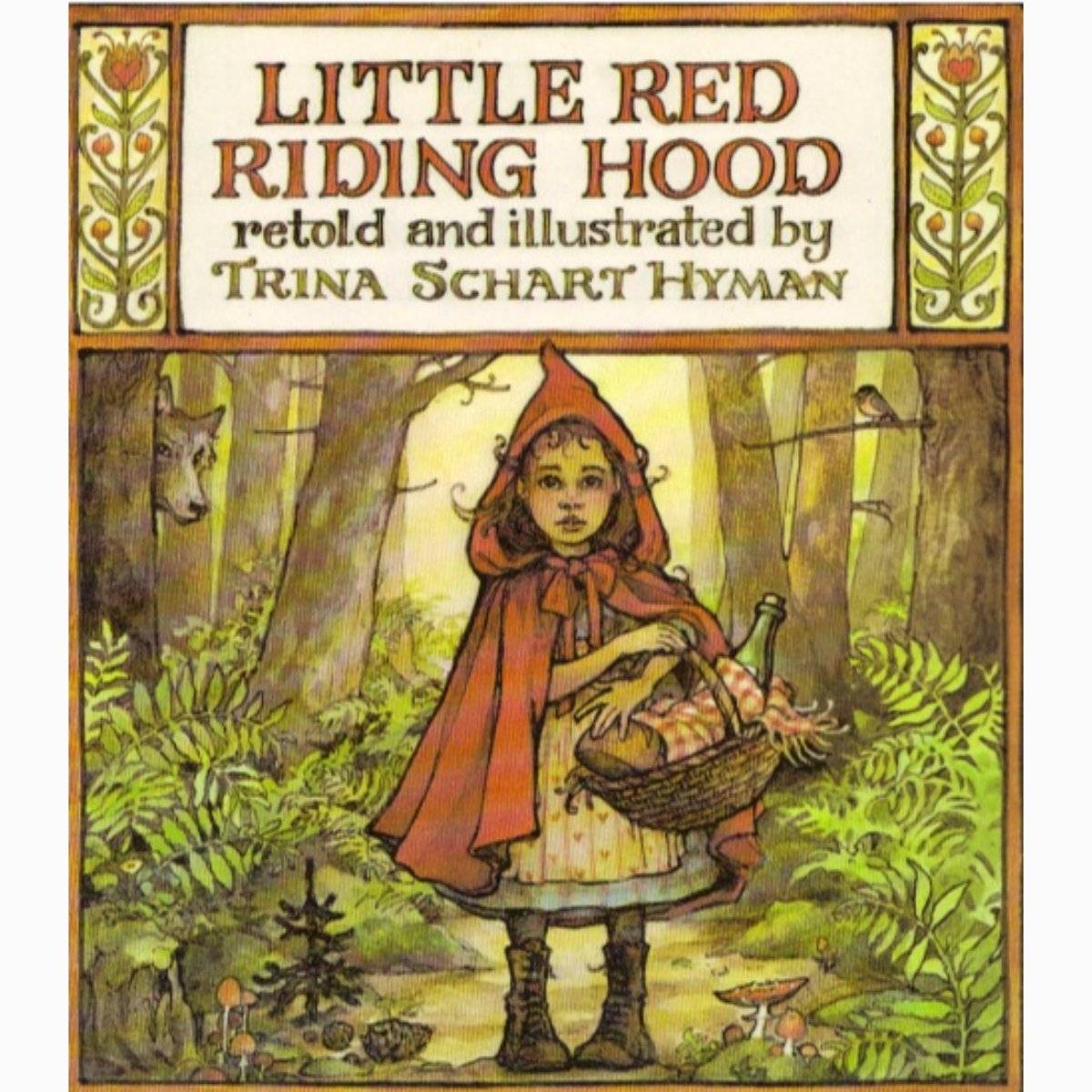 pick
pickPublished in 1984, this book is a Caldecott winner. It‘s a timeless fairytale with danger, a moral lesson, and a happily-ever-after ending.
This book is great for the classroom because it teaches children that everyone is important. The illustrations make it easy to talk about feeling, self-worth, and kindness.
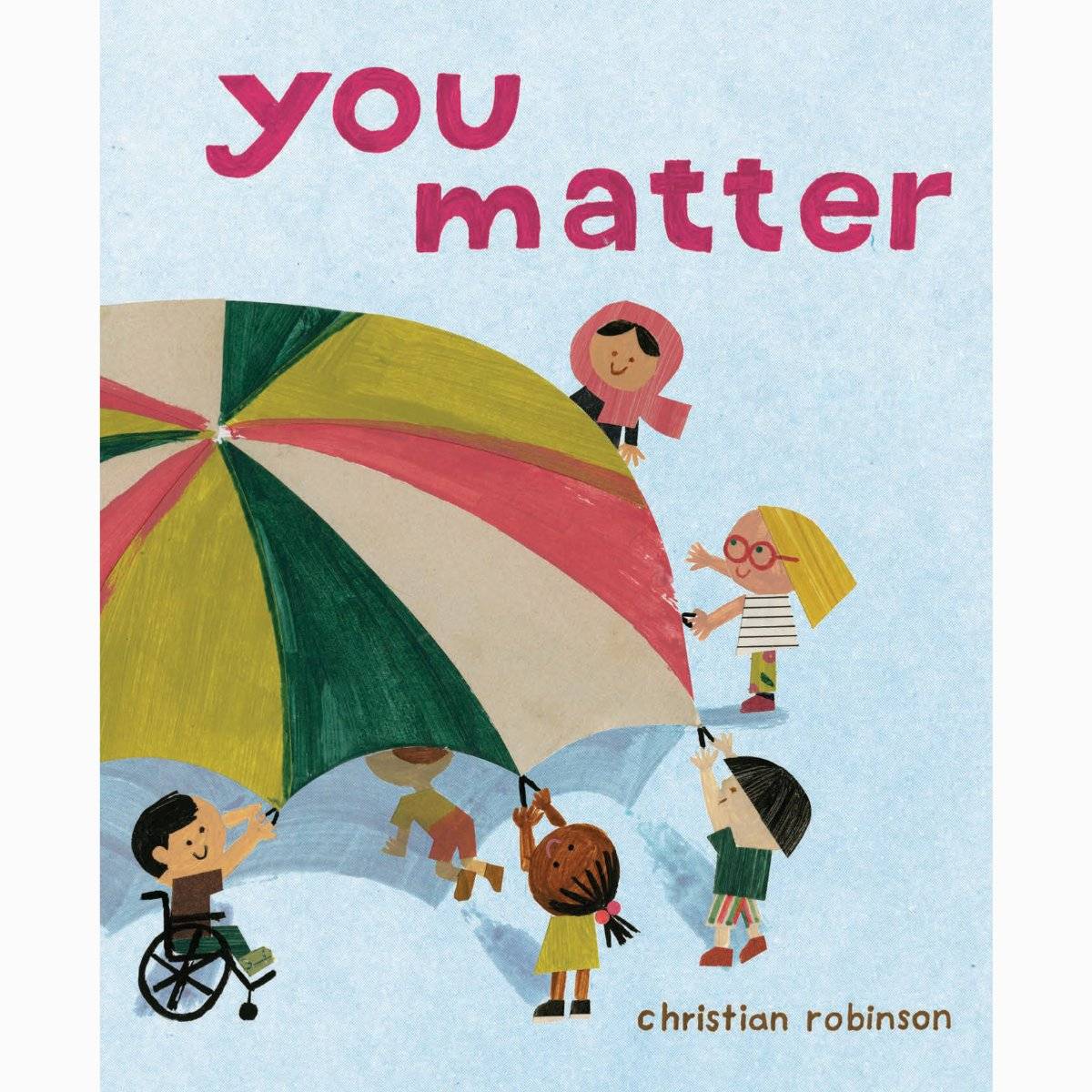 pick
pickPicture book! You Matter, published in 2020, uses bright colors and simple shapes and lots of space to make the pictures clear and friendly. The way the illustrations are arranged helps to show the books message that everyone is important making the art both visually and emotionally meaningful.
“Her big sisters were so excited that they invited her to join their new all-girl dance band.“
This book is great for the classroom because it celebrates following your dreams and breaking barriers. The vibrant illustrations show rhythm and movement, sparking discussions about music, culture and self-expression.
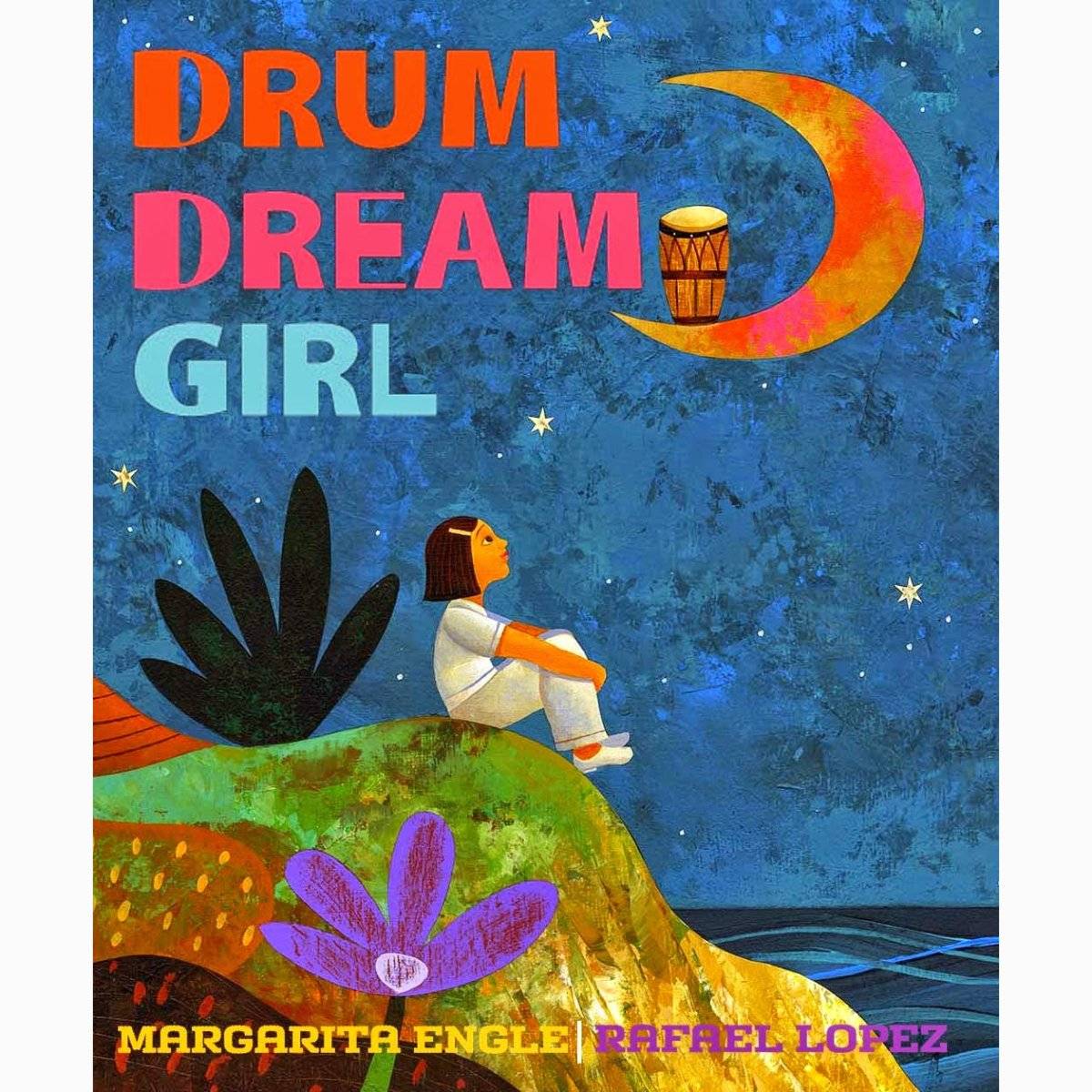 pick
pickIn Drum Dream girl, published in 2015, the illustrator uses bright colors, bold lines, and swirling patterns to show the energy and rhythm of music. They use space, movement, and layered textures to guide the eye, highlight key moments and make the story lively.
“On Saturday, he ate through one piece of cake, one ice-cream cone, one pickle, one slice of swiss cheese, one slice of salami, one lollipop, on piece of cherry pie, and one slice of watermelon. That night he had a stomach ache.“
This book is great for the classroom because it teaches counting, days of the week, and the lifecycle of a butterfly. I think children would be very engaged with this book.
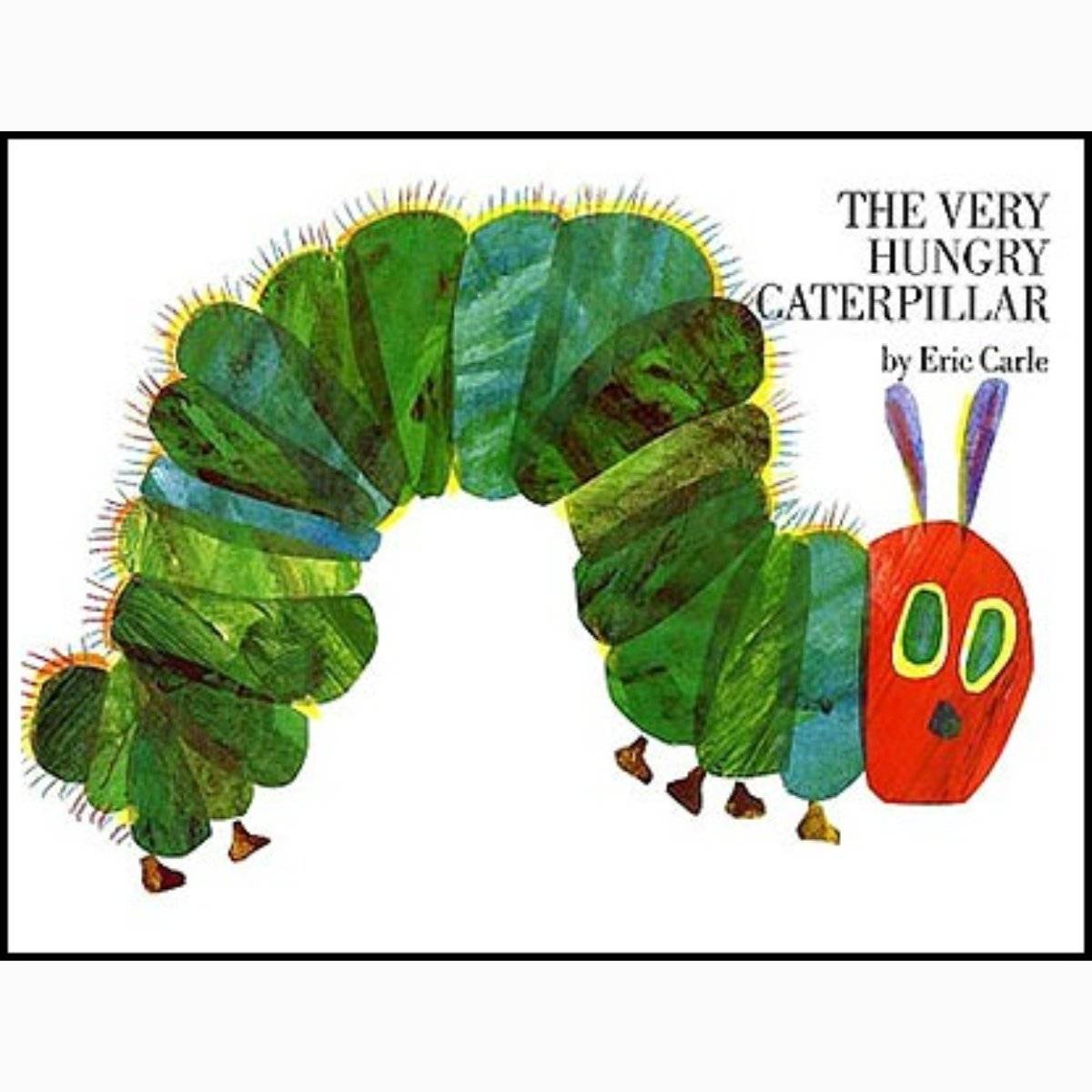 pick
pickPicture book! The very hungry catepillar published in 1969 uses bright colors, simple shapes, and textured collages to show the catepillar's journey. The white space and die-cut holes guide the eye and make the story fun and easy to follow.
“Whatever he does, wherever he goes, trouble follows“
This book is great for the classroom because its bold, colorful illustrations make the story easy to follow. The book encourages friendship, problem-solving, and creativity.
 pick
pickThe picture book my friend rabbit, a Calecott winner, published in 2002 uses bold black lines, bright colors, and lots of space to show action and emotion. The characters often move across the page and the illustrations guide the eye, making the story fun and easy to follow.
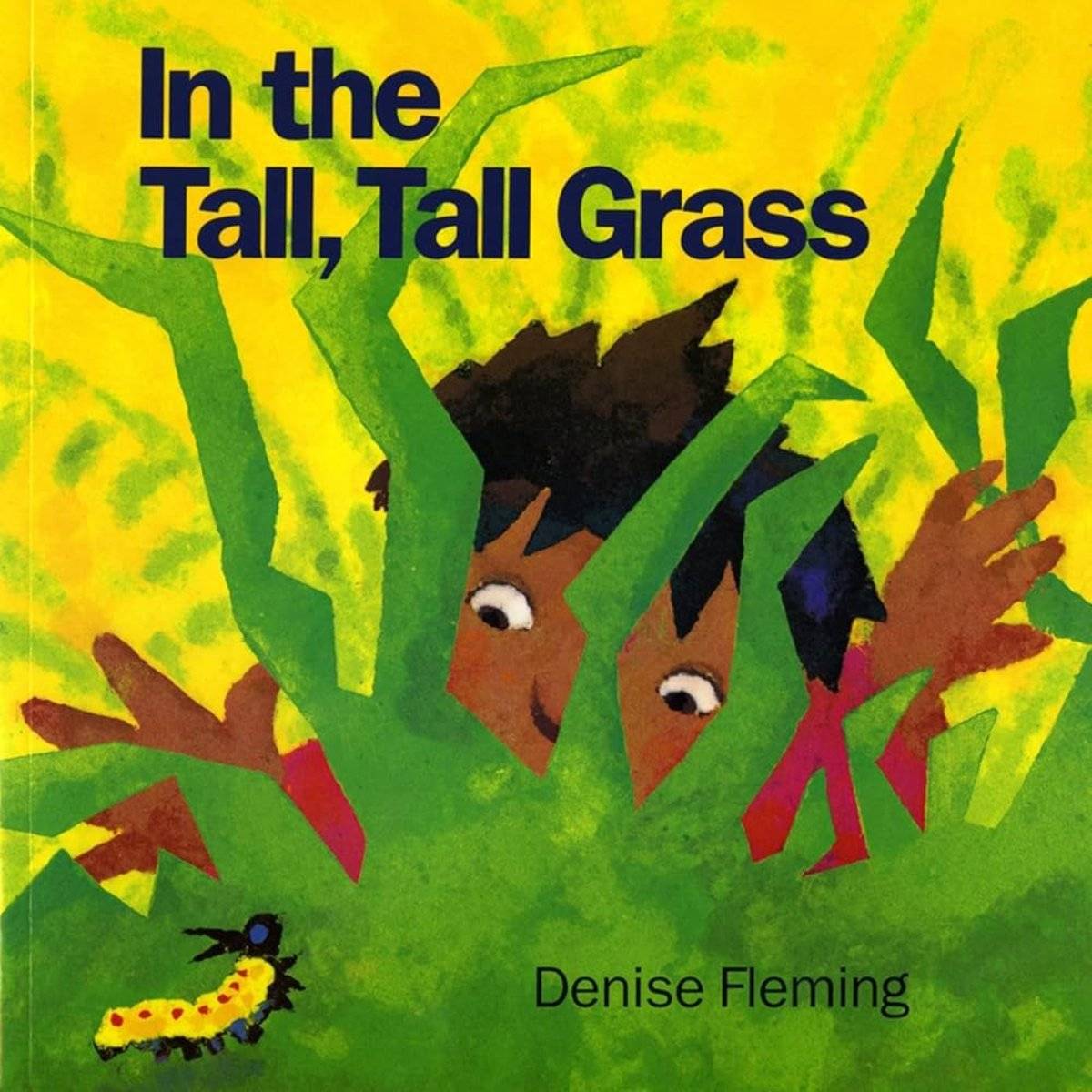
“Crunch, munch, caterpillars lunch...“
“Busy little bugs, scurry, scurry, scurry...”
I think this is an awesome picture book for lower elementary students. I think children would love the bright, abstract drawings and bright colors.
 pick
pickPicture book! Denise Fleming‘s bold use of color, soft textures, and simple shapes invites young readers into a vibrant insect world. Created with handmade paper, the illustrations pulse with energy and movement. This 1991 classic pairs rhythmic text with rich visuals to spark curiosity and delight in nature‘s small wonders.
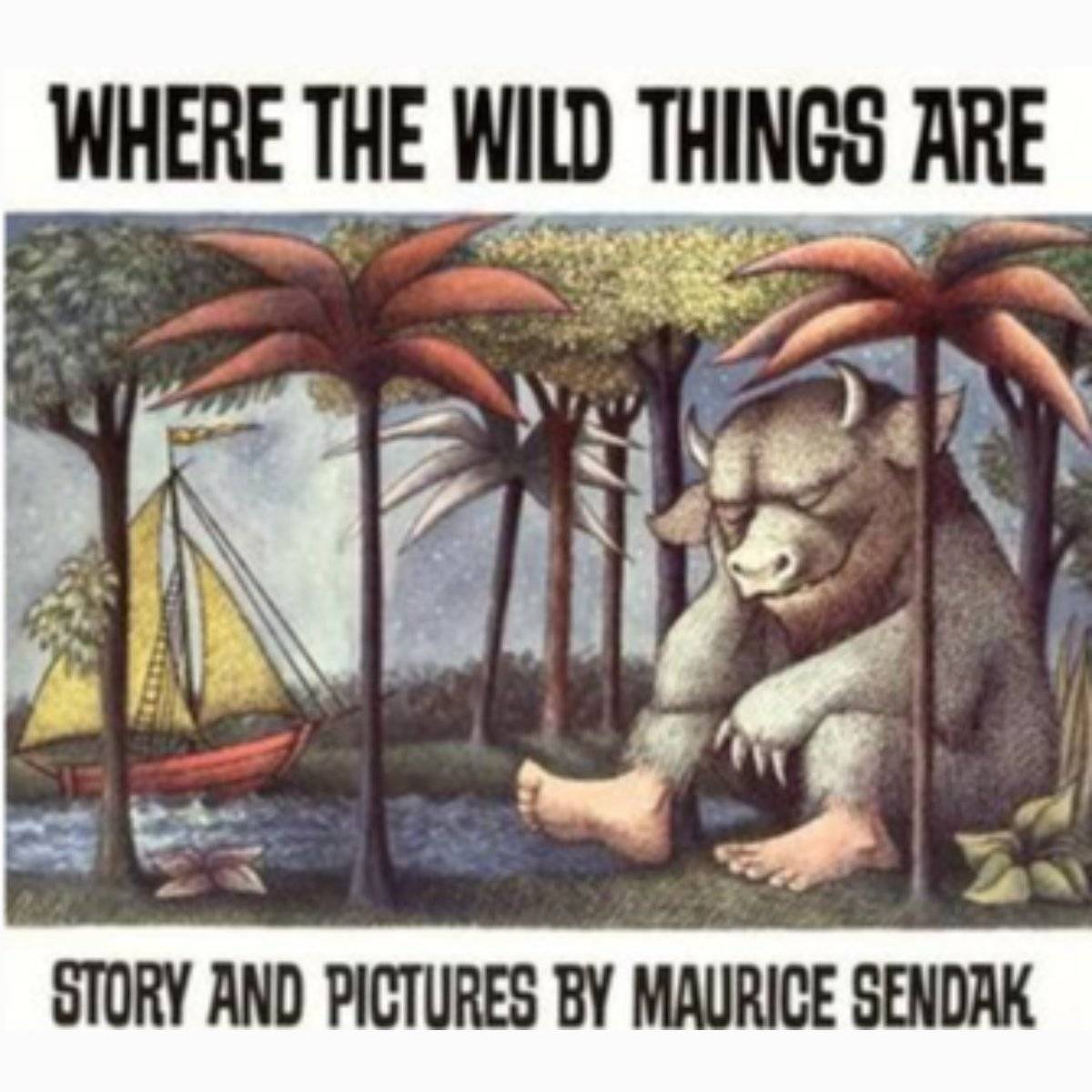
“That very night in Max's room a forest grew and grew -- and grew until his ceiling hung with vines and the walls became the world all around.“
I think this is an awesome picture book that is super entertaining. It also encourages students to be imaginative!
 pick
pickPicture book! Maurice Sendak‘s expressive lines, muted colors, and shifting compositions reflect Max‘s emotional journey. As the wild rumpus grows, so do the illustrations—expanding across the pages—then shrinking as Max returns home. A timeless 1963 classic that beautifully captures imagination, emotion, and belonging.
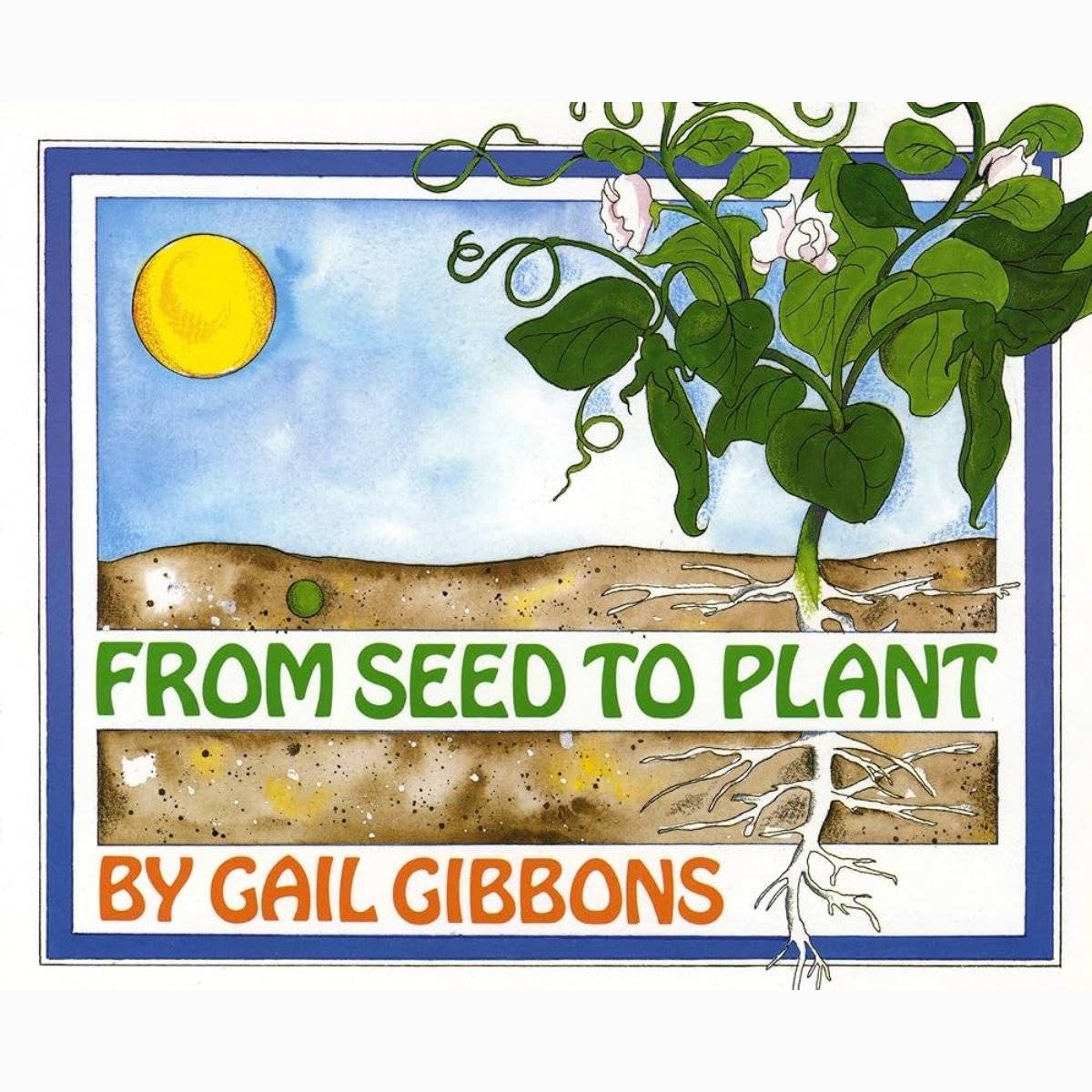
“Many of the foods people eat are seeds, fruits and pods. They are full of nutrition, vitamins, and mineral and...they are tasty, too!“
I think this book makes it very easy for students to visualize the life cycle of a plant. I think students interested in nonfiction might really like this book
 pick
pickPicture book! Gail Gibbons uses clear lines, labeled diagrams, and bright, natural colors to make complex science accessible. The clean composition and simple shapes help young readers visually track each stage of a plant‘s life cycle. It‘s an engaging, informative nonfiction text that encourages curiosity about the natural world.
I think this is a great book that encourages young readers to be excited about books in an imaginative way.
 pick
pickPicture book! Yuyi Morales blends vibrant colors, swirling lines, and layered textures to create a dreamlike journey of immigration, resilience, and hope. Her rich compositions and symbolic imagery powerfully complement the poetic text, celebrating the beauty of stories, libraries, and the courage it takes to begin again.
“He was about to help himself to a carrot... when he heard it. The soft... sinister... tunktunktunk of carrots creeping.“
This is a great, entertaining book for young elementary aged students. Spooky without being too scary!
 pick
pickPicture book! Peter Brown‘s bold use of grayscale with pops of orange heightens the eerie mood, while dramatic composition and shadowy textures build suspense. Reynolds‘ playful text and Brown‘s sharp lines and shapes make this spooky tale both funny and thrilling—perfect for young readers with wild imaginations.
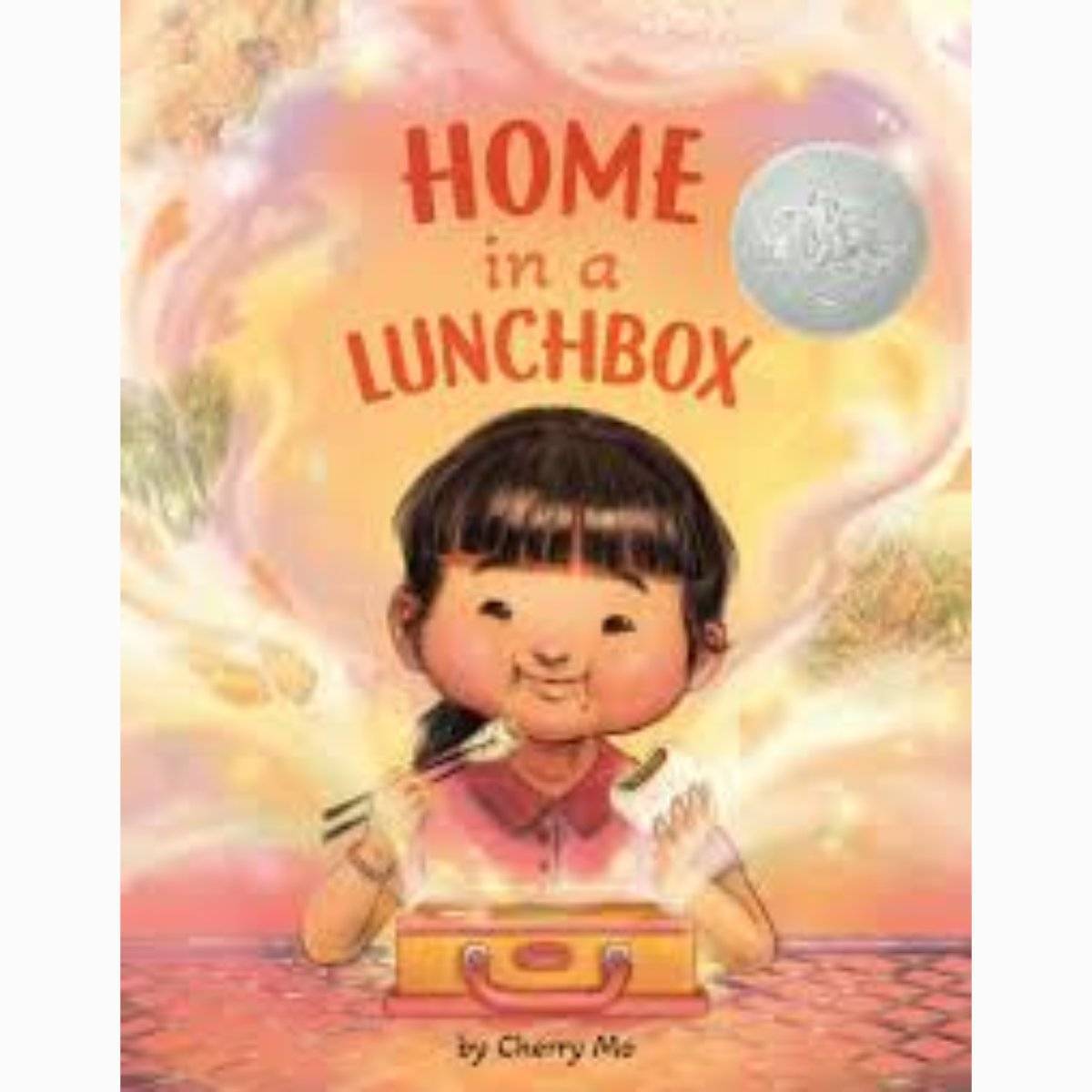
“In every bite, she tasted a place she couldn‘t return to—but never truly left.”
I think this book could be great for any elementary classrooms. I think it could be relatable for a lot of students!
 pick
pickPicture Book! Soft lines, warm colors, and gentle textures reflect the story‘s emotional depth and nostalgia. The illustrator‘s use of space—often showing the character small in large environments—beautifully conveys feelings of displacement and longing. It‘s a quiet, heartfelt tale where every visual choice enhances the emotional tone.
“The world is full of eyes that watch all the time, and the night has eyes too.”
This book could be used for a variety of ages. It has incredible imagery and could be used to teach students how to write descriptively.