


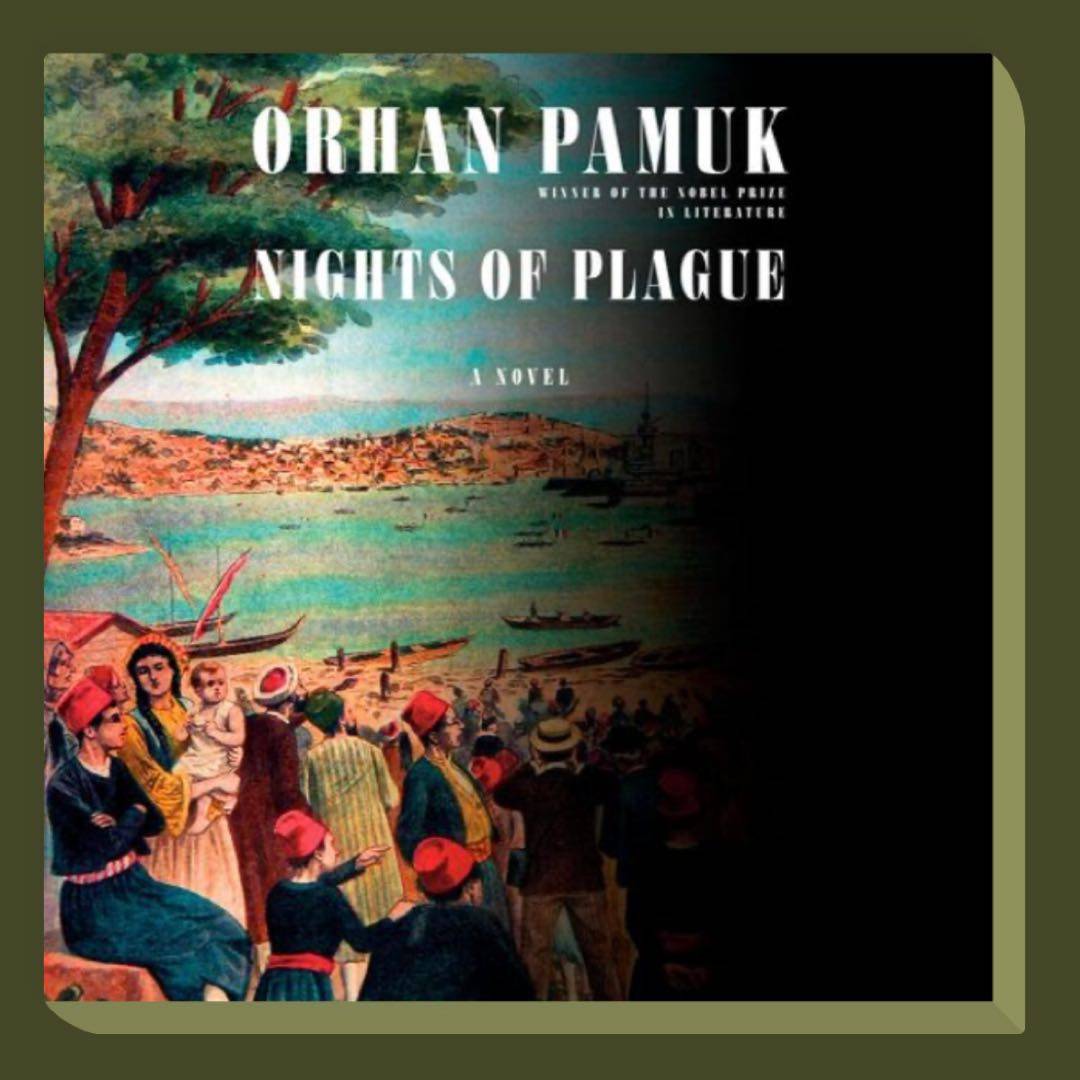
 Nights of Plague: A Novel |

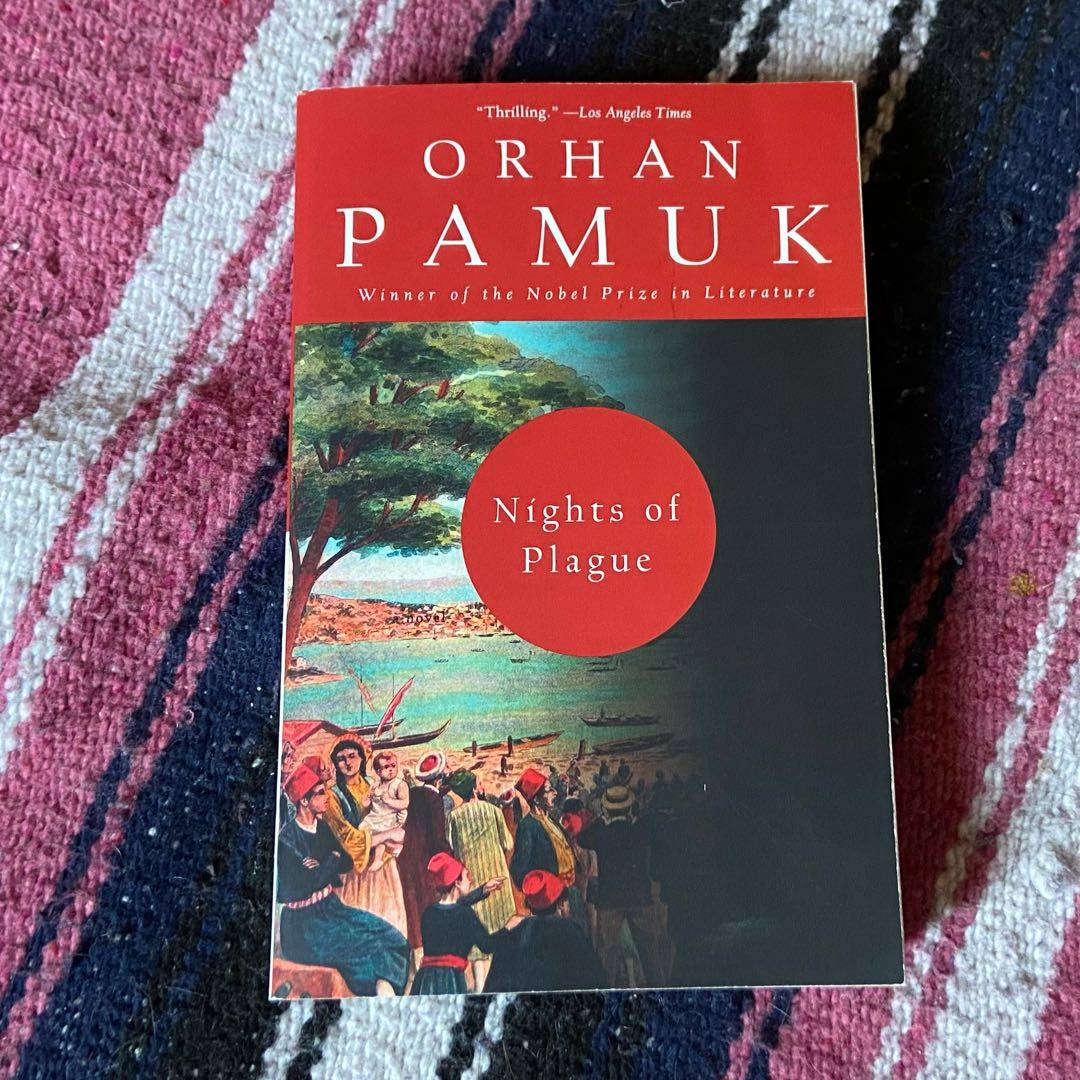
The premise very much reminds me of The Plague by Camus. I remember that book gave nightmares to my peers in high school. I‘m curious to see how Pamuk varies the theme.
4 likes1 stack add




The premise very much reminds me of The Plague by Camus. I remember that book gave nightmares to my peers in high school. I‘m curious to see how Pamuk varies the theme.
 bailed
I love Orhan Pamuk‘s work so this was an auto-buy for me, but I can‘t finish it. The long sections of (partly made up) history feel remote and the characters wooden. It‘s set on a fictional island, Mingheria, so has elements of fantasy that I found hard to connect to and lacks the sense of place usually strong in Pamuk‘s work. And I don‘t want to read about plagues & quarantines. I like the playful tone but It‘s 680 pages so I had to make a call.
 so-so
so-soI am not sure I have ever struggled more with a book. Well written and with incredible world creation this was still a bit of a slog for me and has taken several weeks. In part of was the style. The set up is part history part fiction with the narrator telling the story based on primary source materials and that made it tough. I also felt in 700 pages there needed to be more was it about of the risks of nationalism? Religious inflexibility? ⬇�
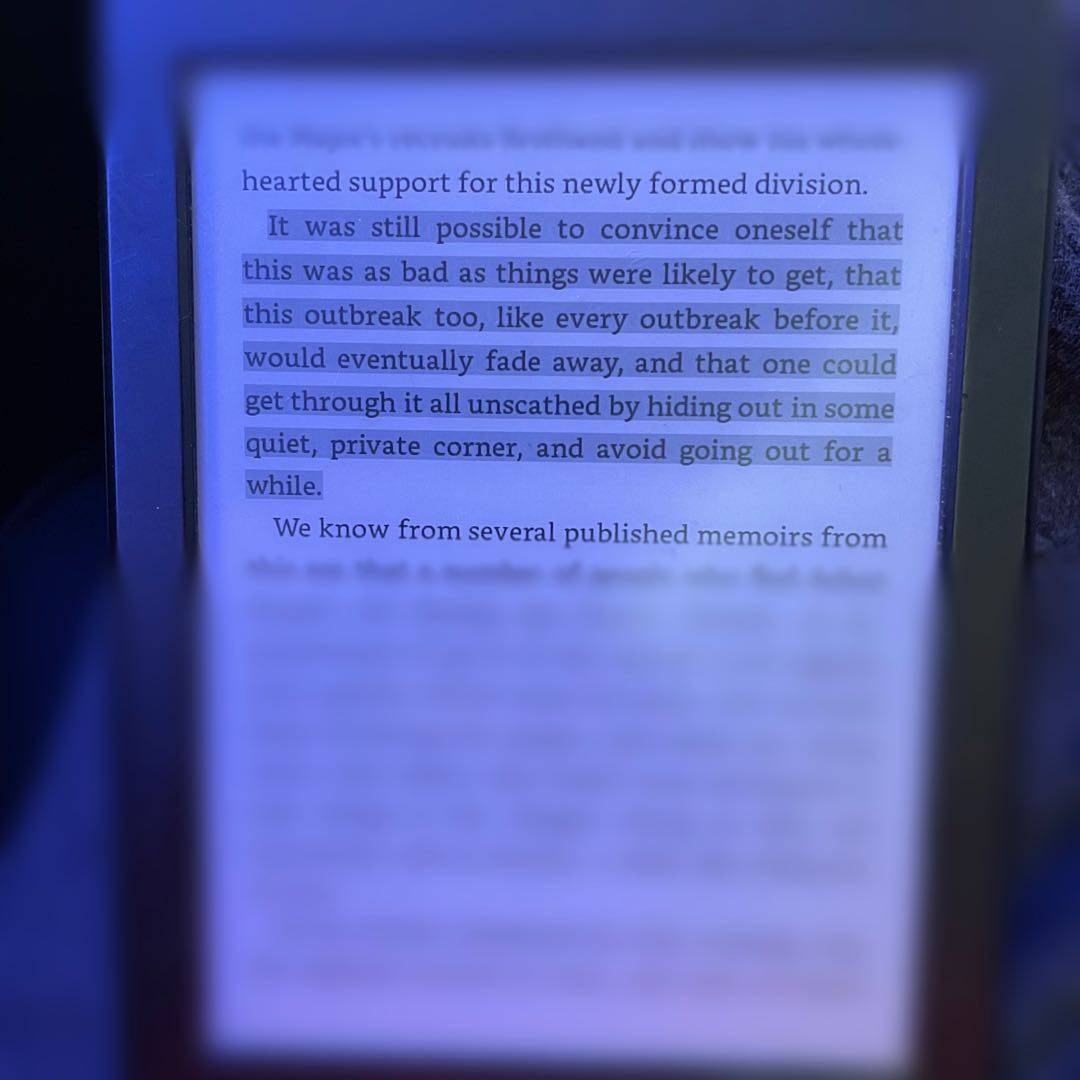
I‘m reading this for #booked22 and am not finding it easy going. Still perhaps a little too close to recent memory perhaps
 pick
pickOn a fictional island in 1901, plague arrives. The island is blockaded after some of the ethnically Greek people have left and mostly Muslim Turks remain. The story explores the response of the people to the disease and shows their development as a society going forward. Really interesting, though if you have pandemic fatigue like me, maybe not the best time to read this.


