The novels my American lit students will read this semester
TEArificbooks What ages are your students? 1m
7 likes1 comment

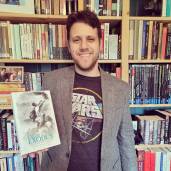
The novels my American lit students will read this semester
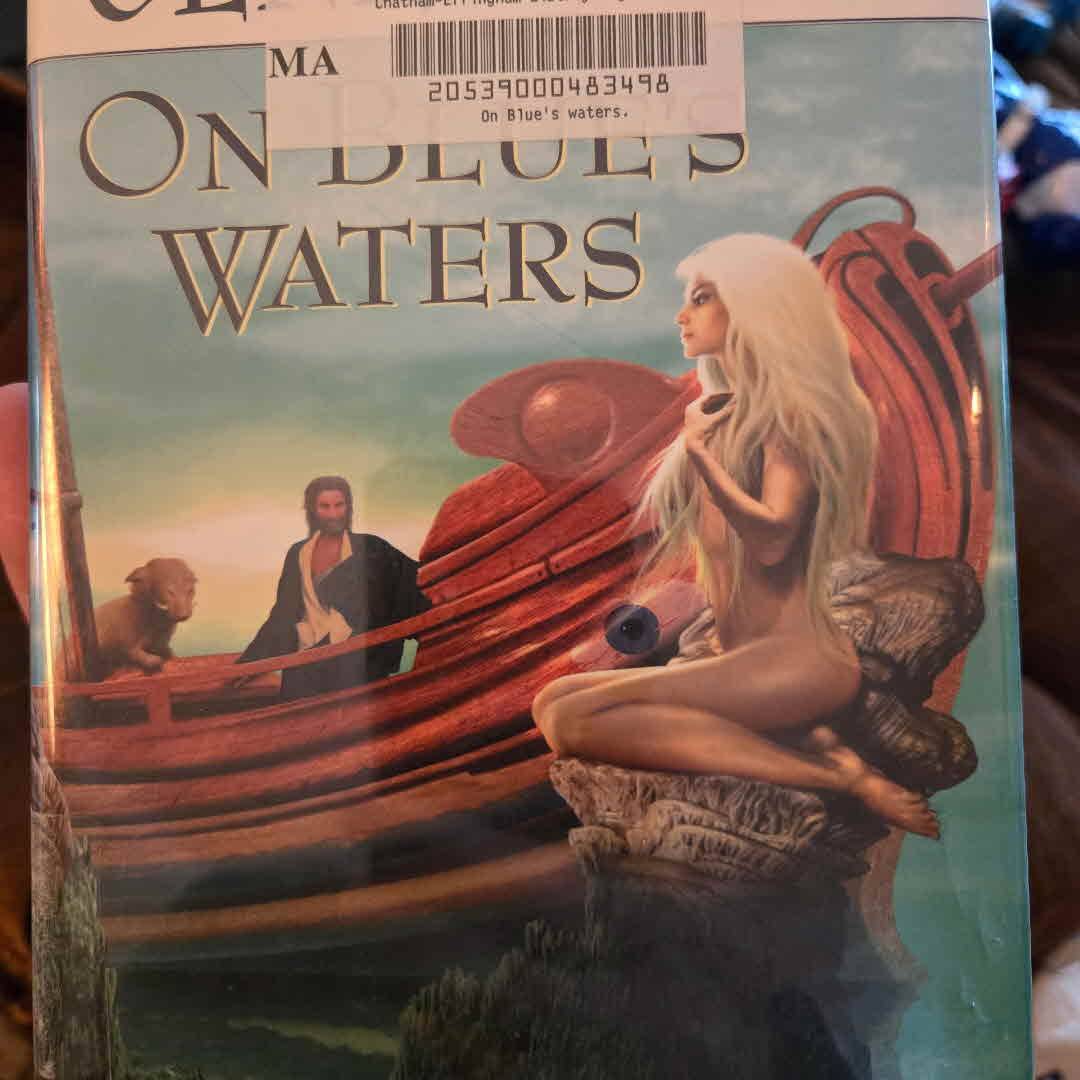
 pick
pickHaunting in the best way. I've read 11 of Gene Wolfe's novels, and he has become my favorite author. Each one is its own delightful mystery, intricate with symbolism and foreshadowing. No one writes with greater depth about human consciousness.
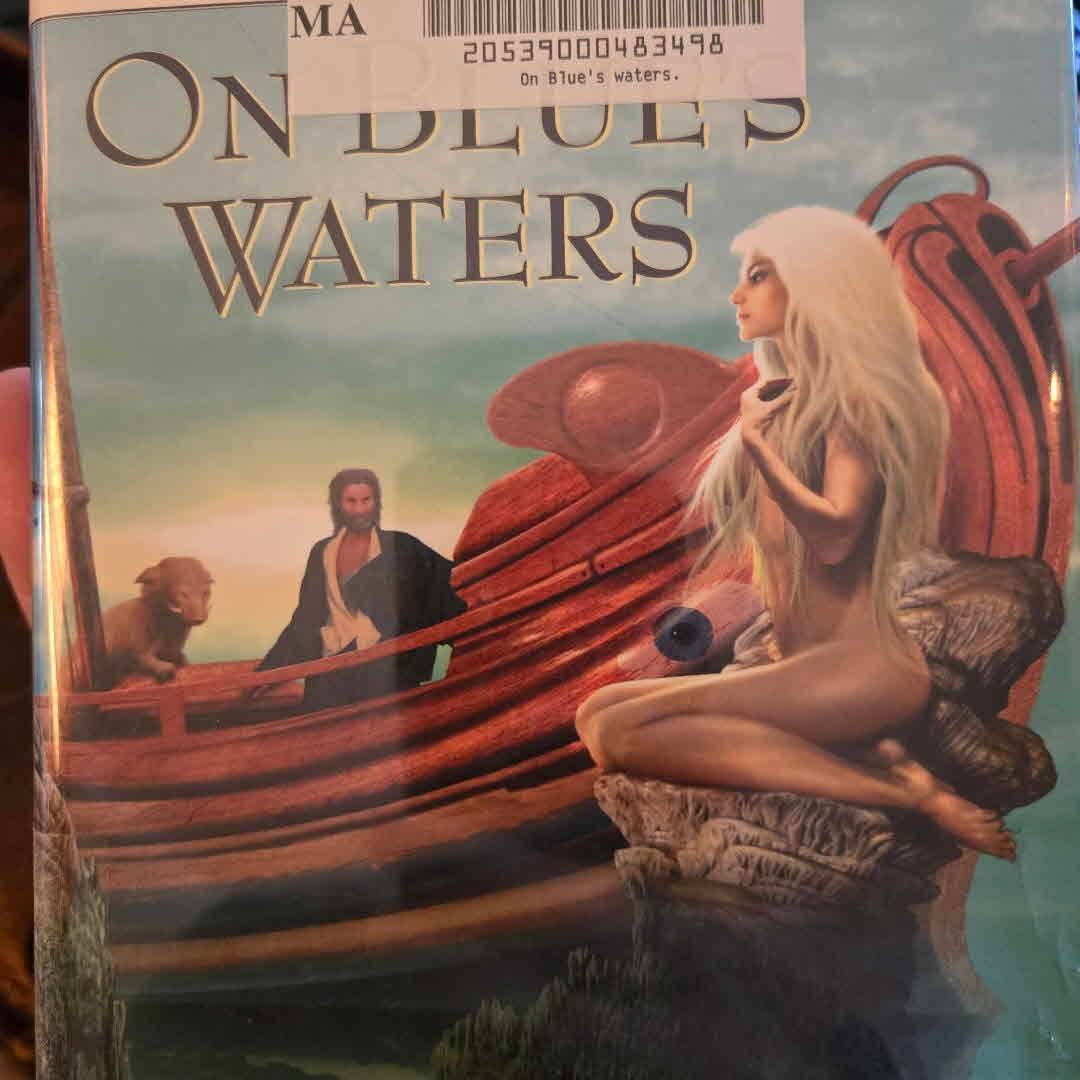
"It is not well to spend one's symbols improvidently"
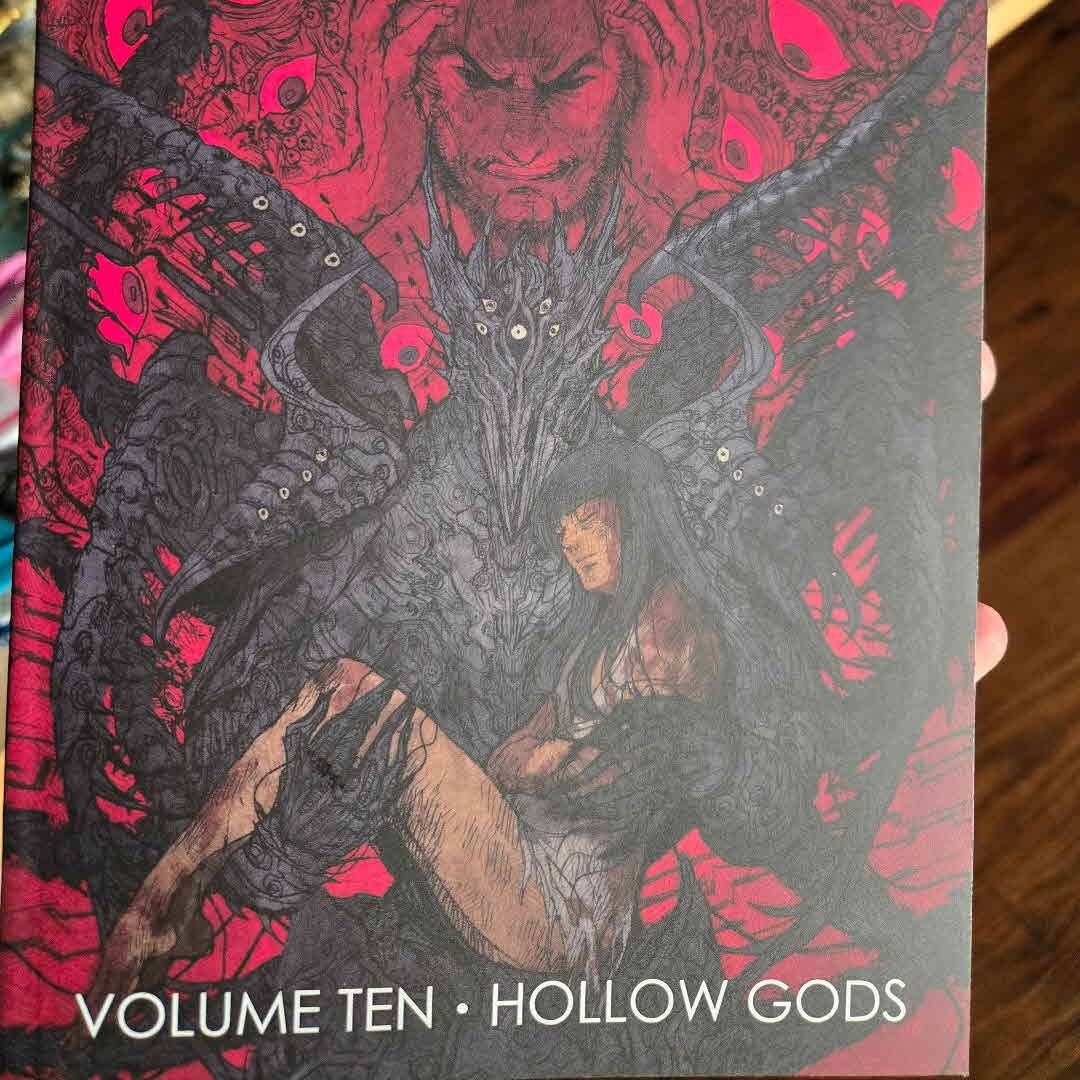 pick
pickI'm continually impressed with how Monstress can scramble the characters' allegiances. The alliances are constantly shifting. Even more impressive is that after 60 issues the thing that Maika resisted most--her possession by Zinn--has become the thing she most longs for.
 pick
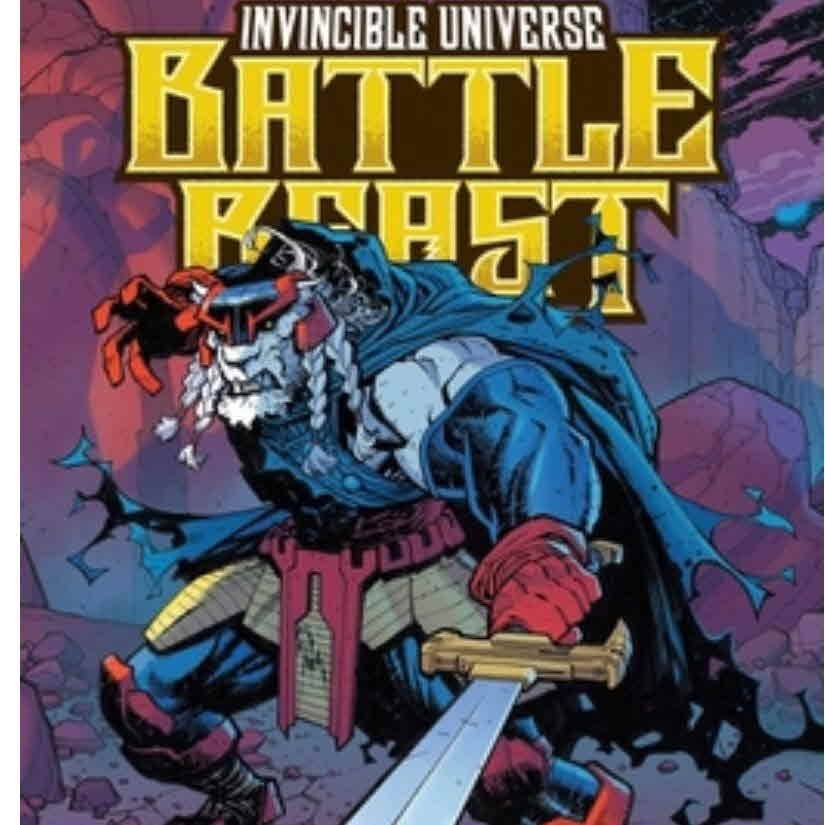
pickI find Kirkman's writing grating and am low key allergic to Ottley's art style, BUT Battle Beast is an iconic character (nvm that he's just an excuse to concoct crazy action sequences) and his quest of self-annihilation is entertaining.
 bailed
This ended up being a little dry.
 pick
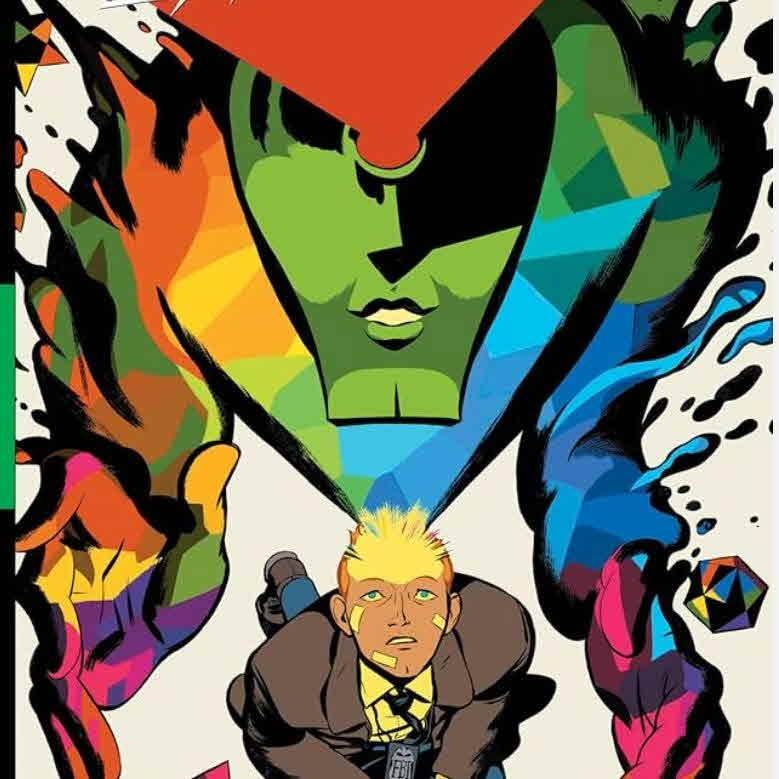
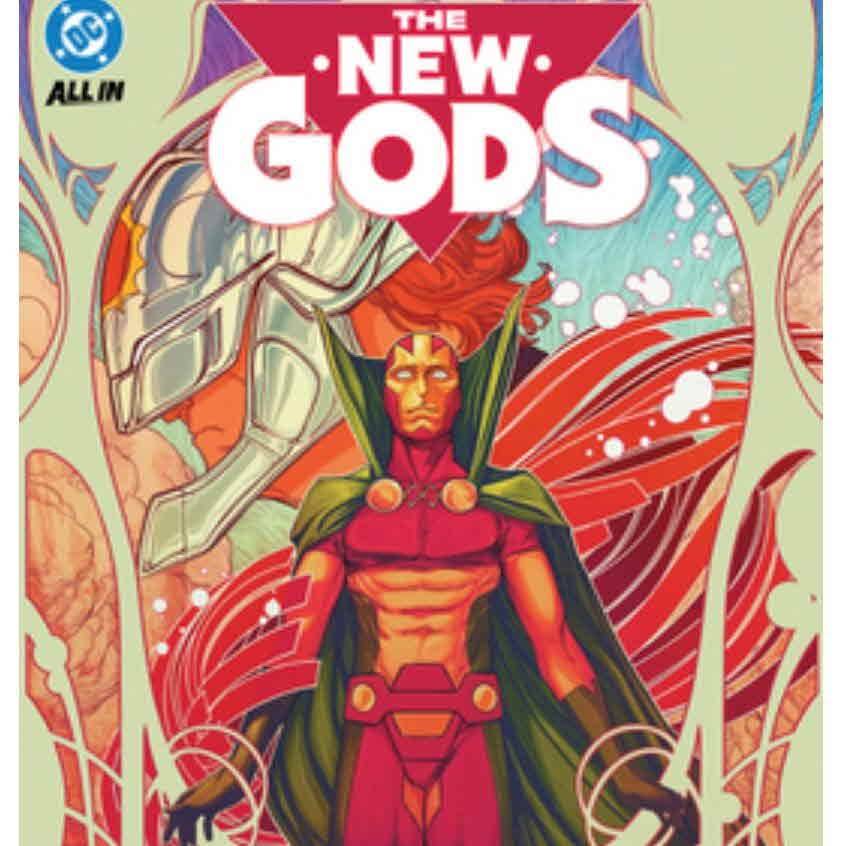
pickThe highest of high concepts, Absolute Martian Manhunter is the most formally ambitious of DC's smash hit Absolute line. Rodriguez's art feels deeply inspired by cubism and abstract expressionism. Coloring his own work, Rodriguez does things I've never seen in a comic before. This is the best illustration of existentialism on the market.
 so-so
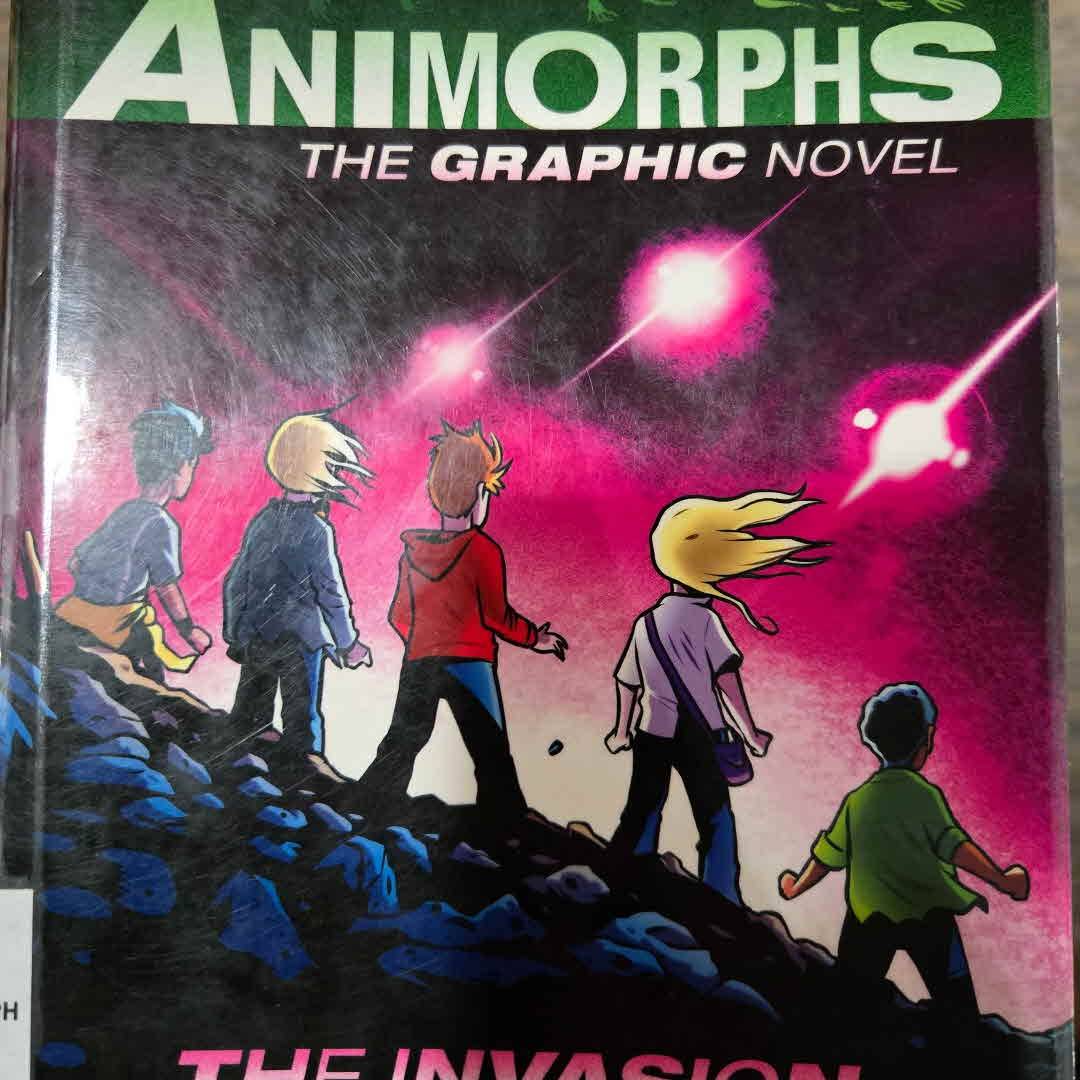
so-soA competent adaptation of my most beloved YA series.
 pick
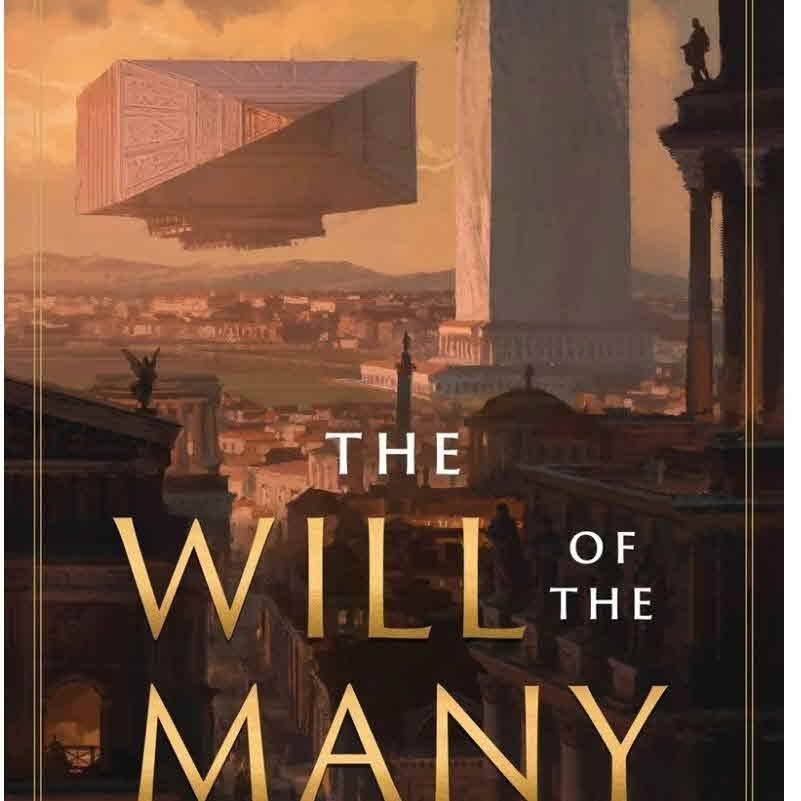
pickI really enjoyed this, though the final chunk is very chaotic and hard to follow. Time for the sequel!
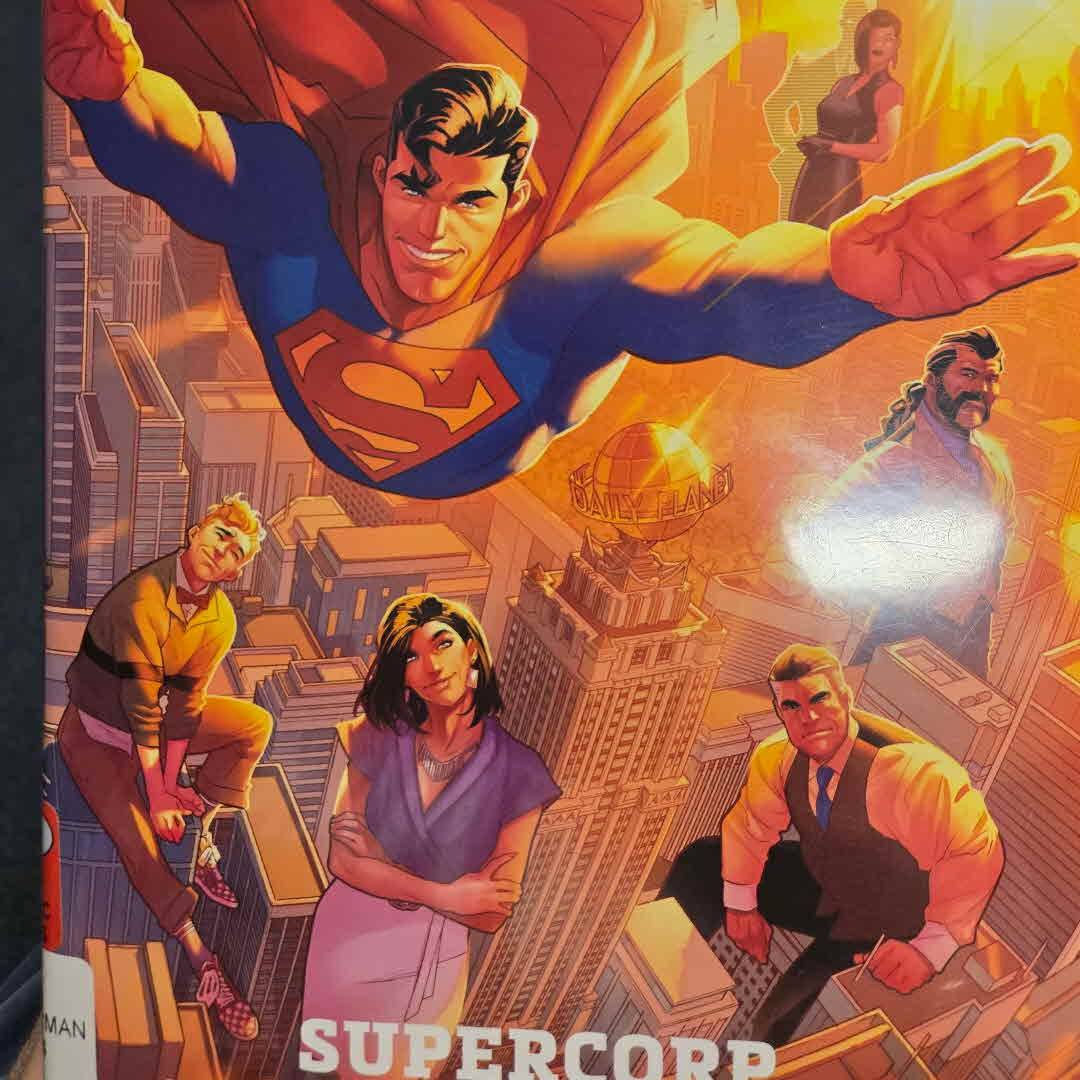 so-so
so-soThis was okay. Digging into Lex Luthor's past isn't a bad idea, but is a little over-done. These new villains--Dr. Pharm and Mr. Graft--look really cool but are pretty standard mad scientists.
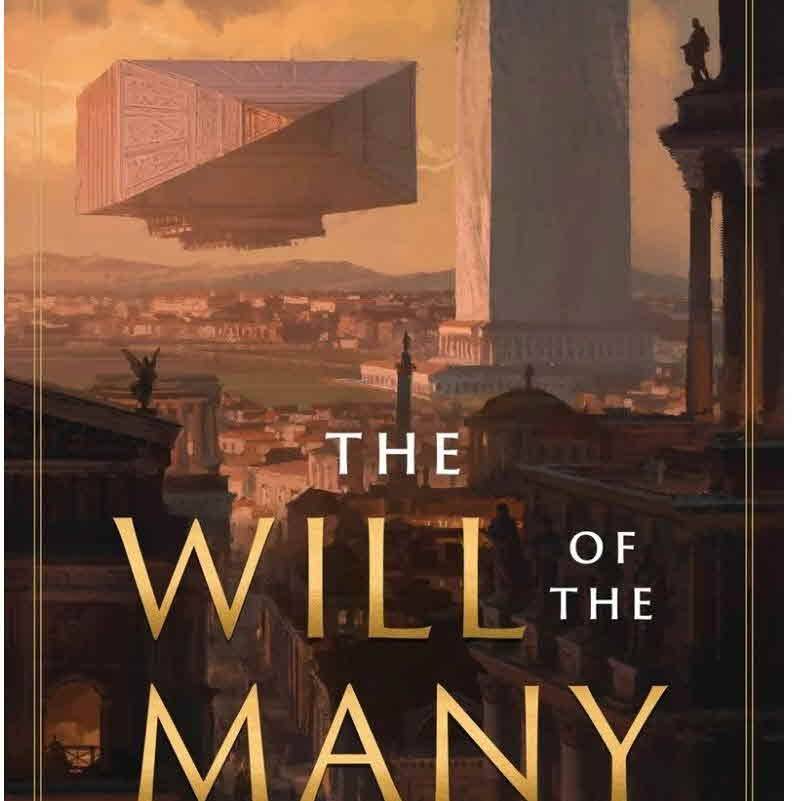
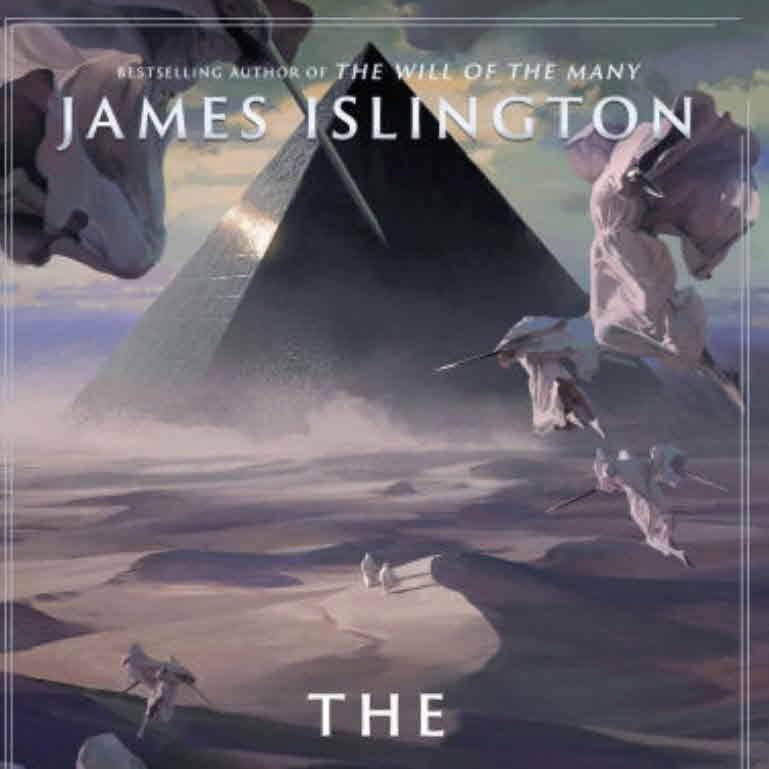
This is really fun so far (187/619). The characters are intriguing and the plot is propulsive. My only complaint is that the world building is lazy: Caten is Rome behind the thinnest of veils.
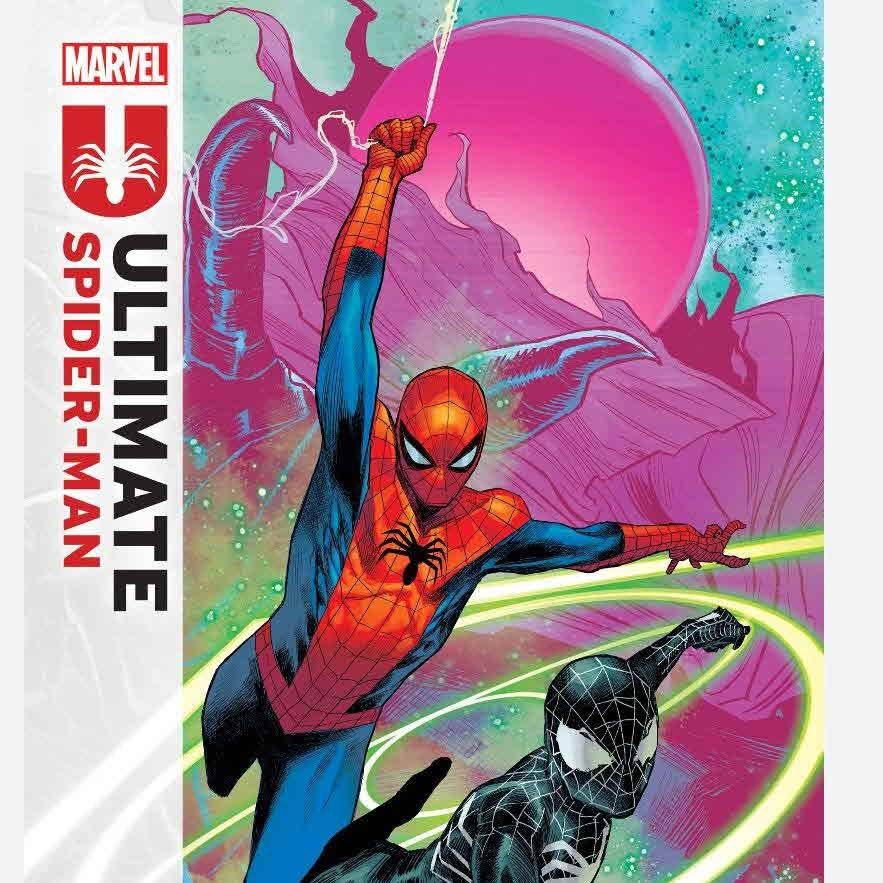 pick
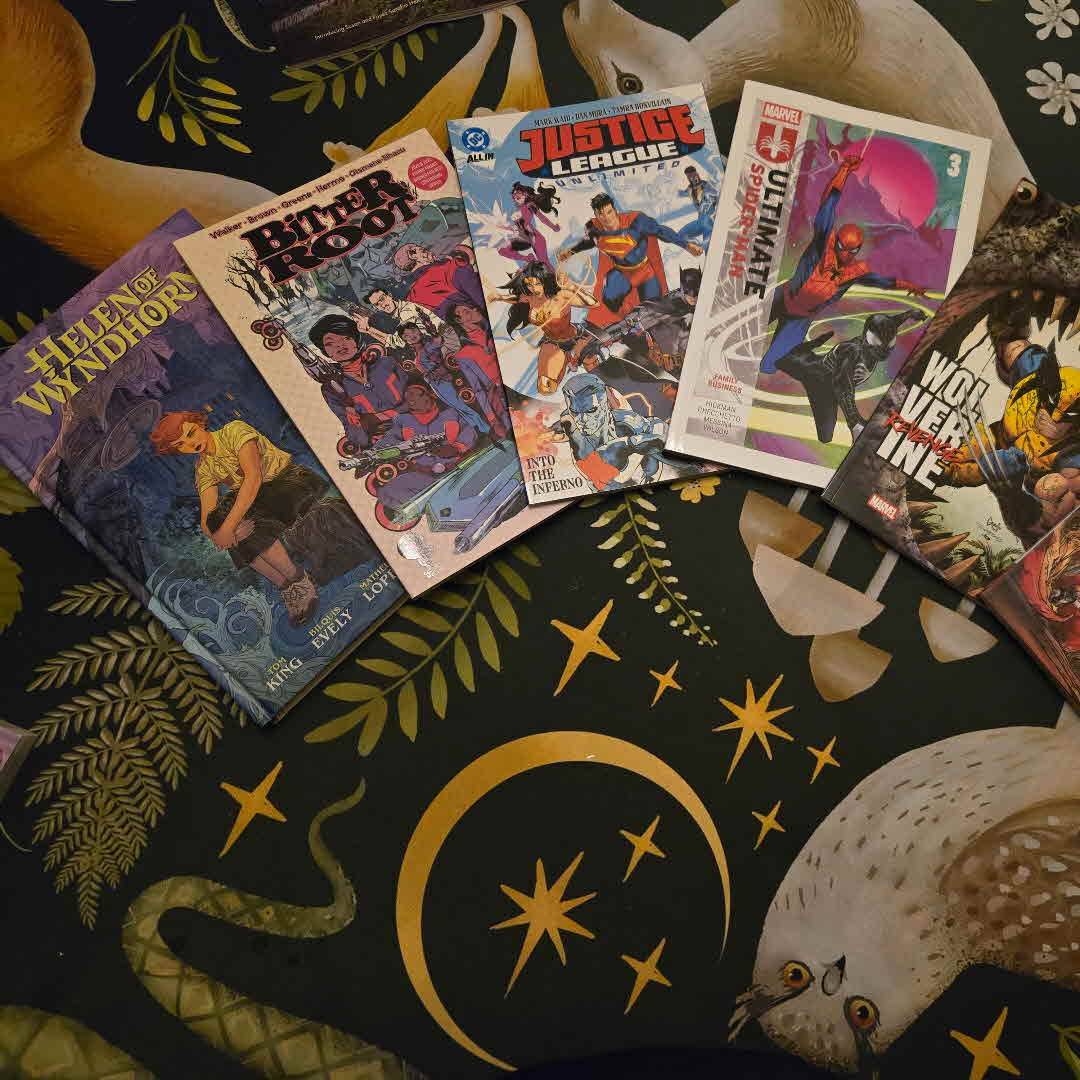
pickThe first twelve issues were a slow burn; in issue 13 the bomb goes off. This arc is the epitome of Spider-Man storytelling. I love what Hickman is doing.
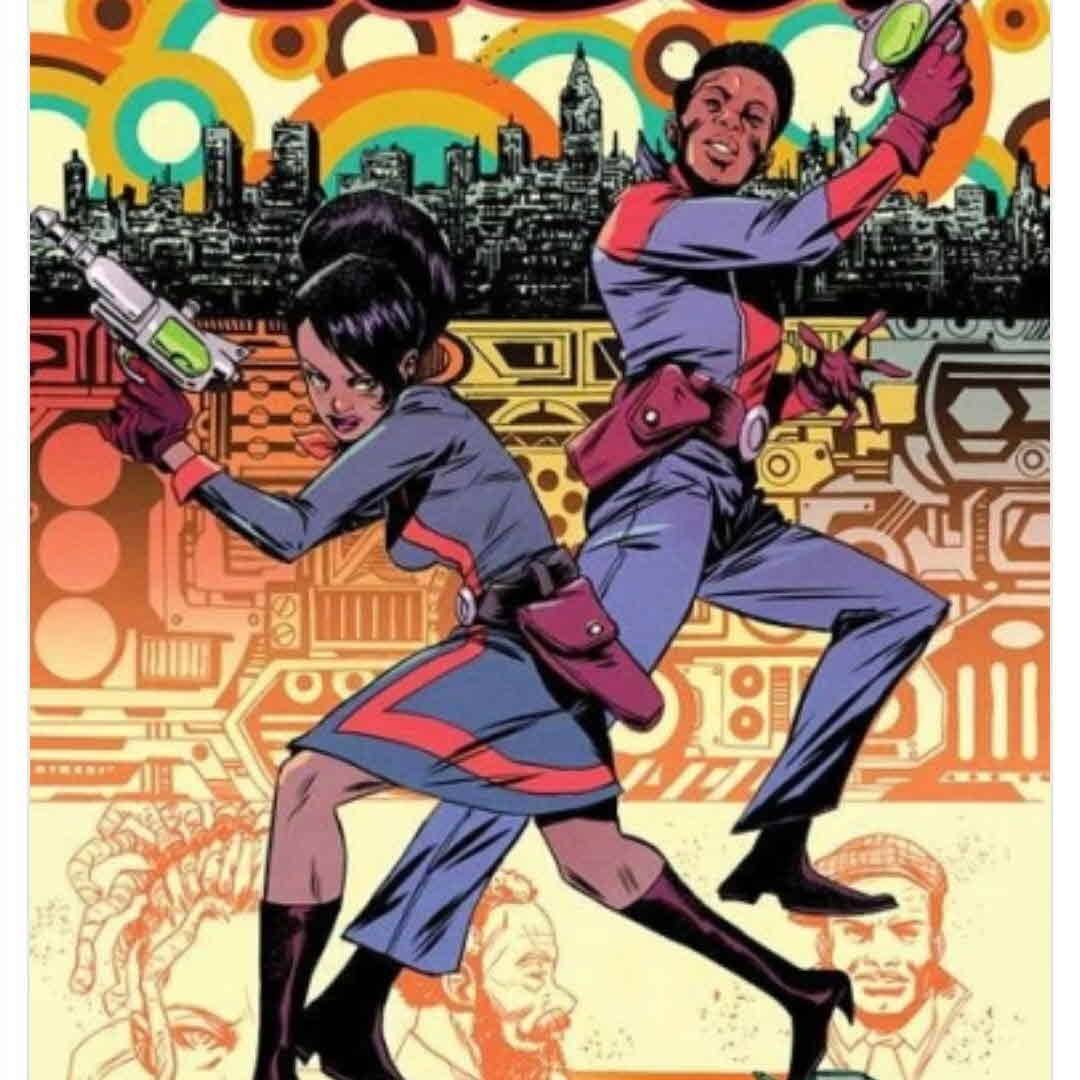 pick
pickSo awesome to have another volume of Bitter Root! We've jumped forward to the '60s, so the retro-futurist Jetsons aesthetic is in full force.
 pick
pickI'm generally mixed on Ram V, but this is the perfect combination of writer, artist, and material. Cagle's art is aptly out of this world. This is an epic, mythic, cosmic saga with deeply human characters, even when they're technically gods.
bailedUnfortunately, this book is terrible. The fifth installment in the Stormlight Archive is largely just background material that didn't make its way into the previous books. This is the "Furiosa problem." I loved the first three books of this series so it bums me out that Sanderson has completely lost his grip on narrative momentum.
 so-so
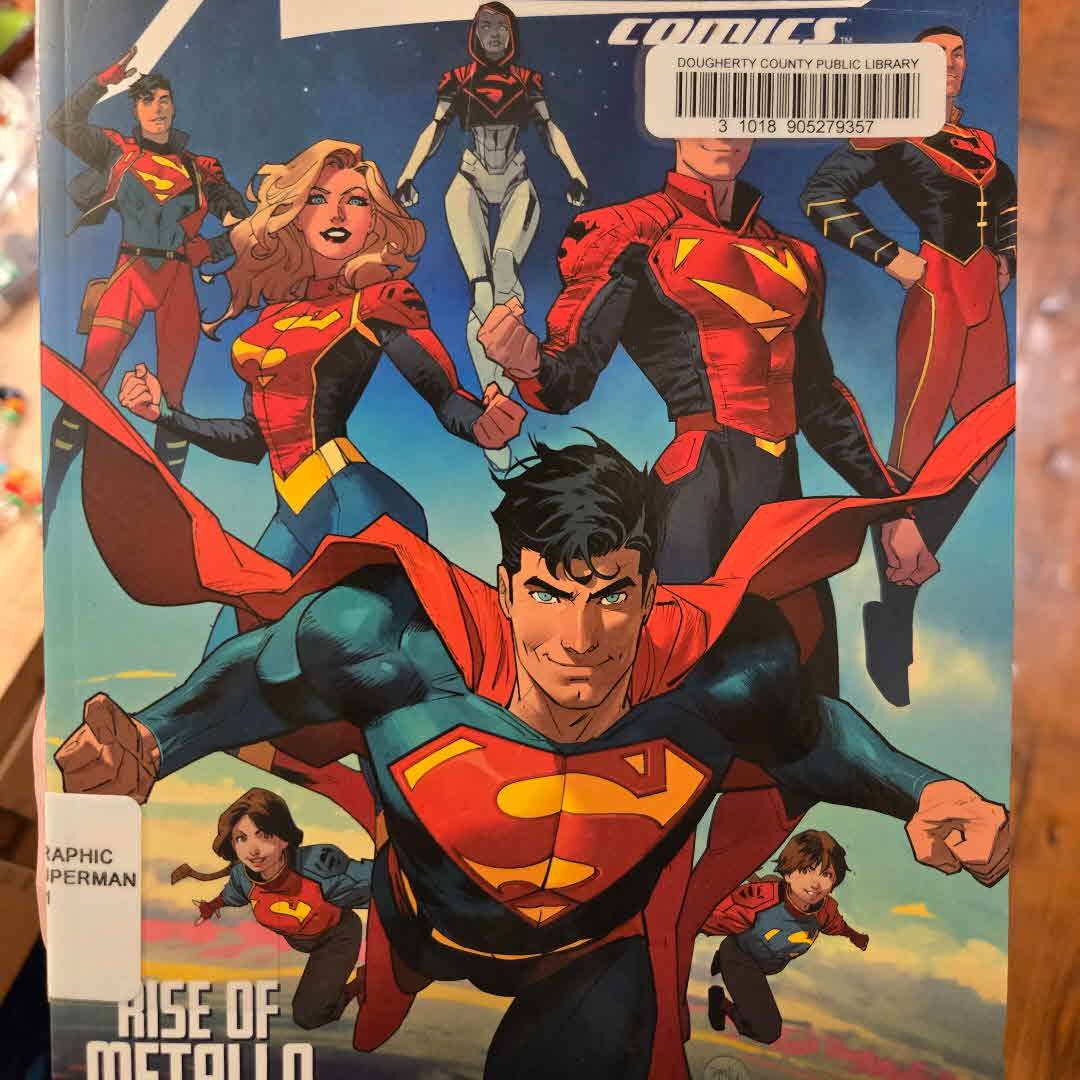
so-soA boisterous book about the Super Family hearkening back to Reign of the Supermen is a good idea, but with so many characters it's hard to really find space for any of them except Superman himself. There is one very funny joke about Lois keeping Clark's gladiator chain suit from Future State.
 so-so
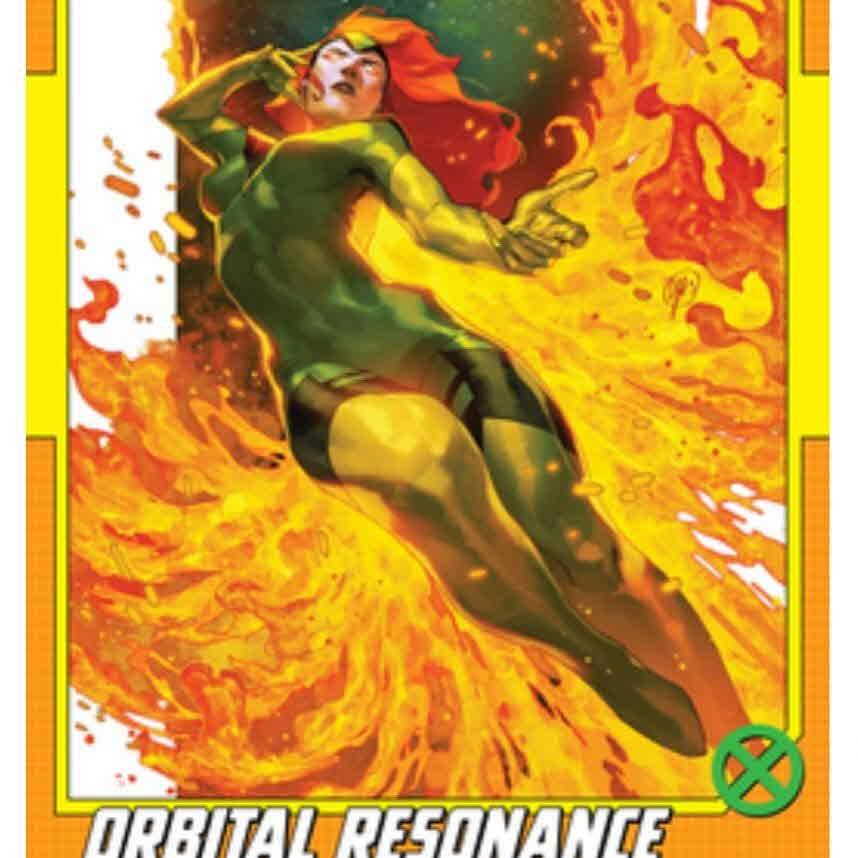
so-soSending Jean/Phoenix to space is a concept so good it's crazy it hasn't been done. Putting her on a collision course with Thanos also makes sense. Unfortunately, much of the execution in terms of plot mechanics isn't very strong. Perrikus is not only a silly character but isn't even developed as a villain. The stuff with Corsair was good.
 pick
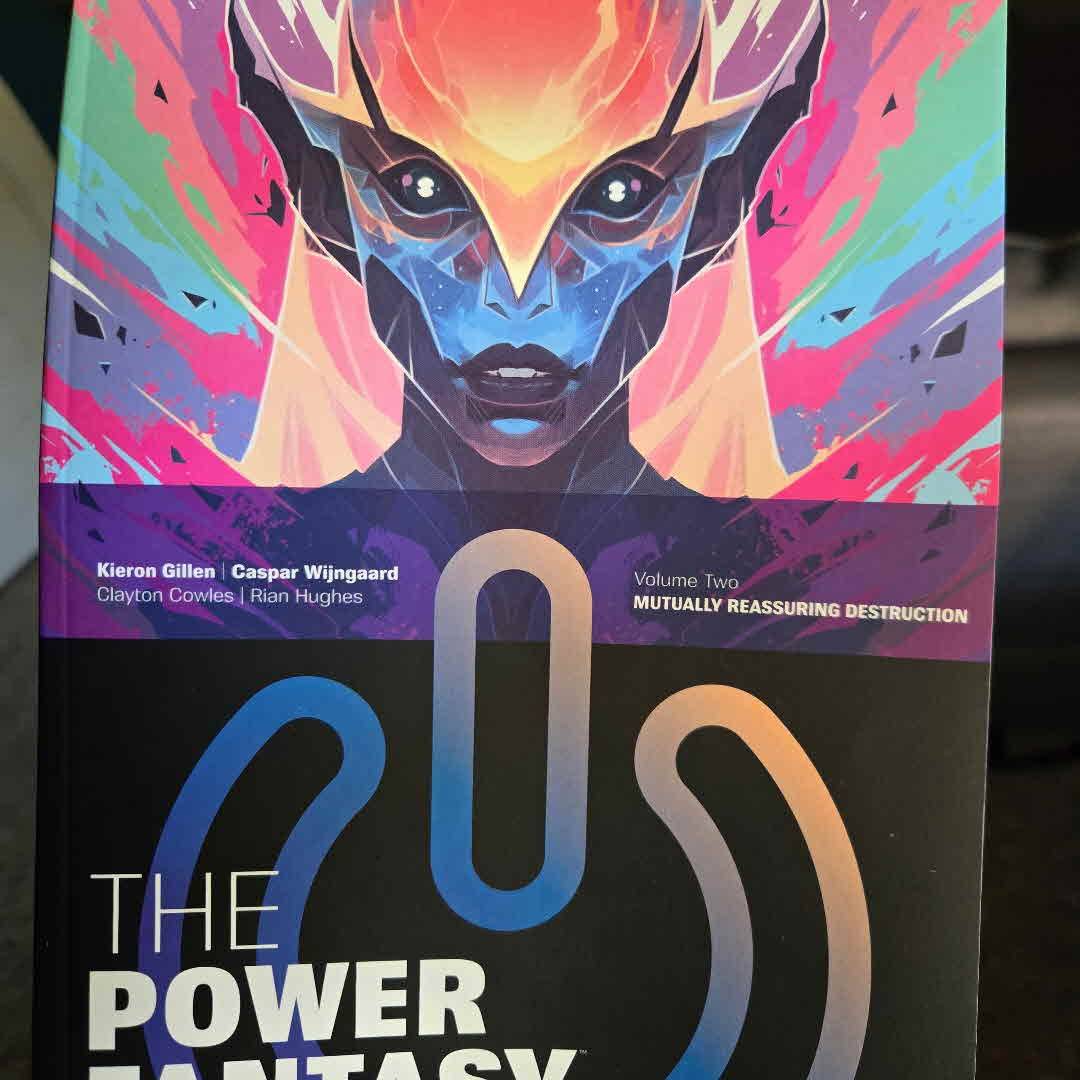
pickThis is so rad. Great characters, great twists--Gillen at his finest. It's rare for creator-owned superhero stories to be this dynamic: every character has their own motivations, ideology, etc.
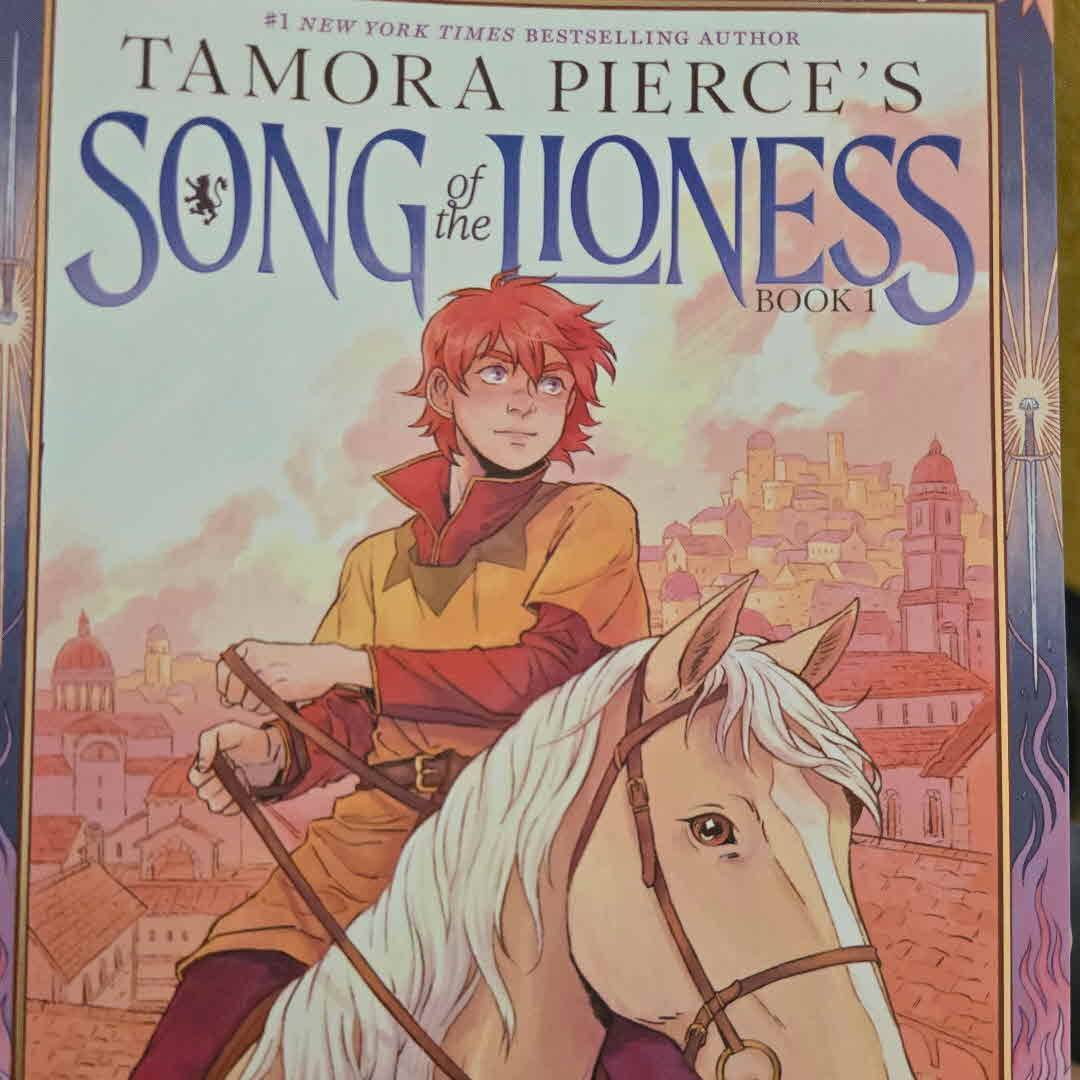 pick
pickBeautiful adaptation of a beloved YA fantasy novel. It's been years--decades--since I read the original so it was fun revisiting it in this new format.
Really enjoyed the audiobook. The voice actor does some pretty wild accents.
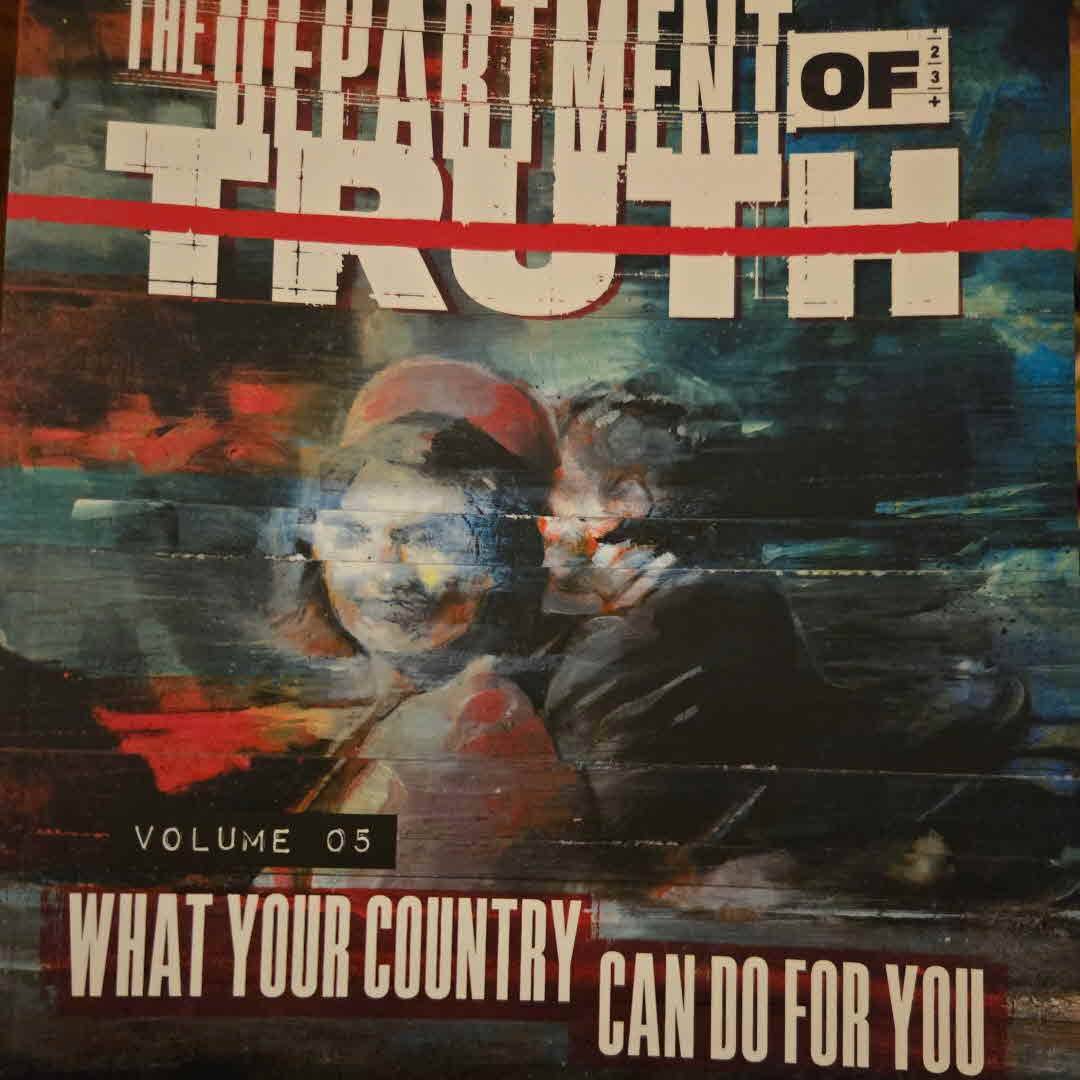 so-so
so-soAs we learn more of the lore undergirding the story, the protagonist Cole drifts further into the background. It feels like the story is moving more laterally than forward. The sense of conflict isn't quite ramping up.
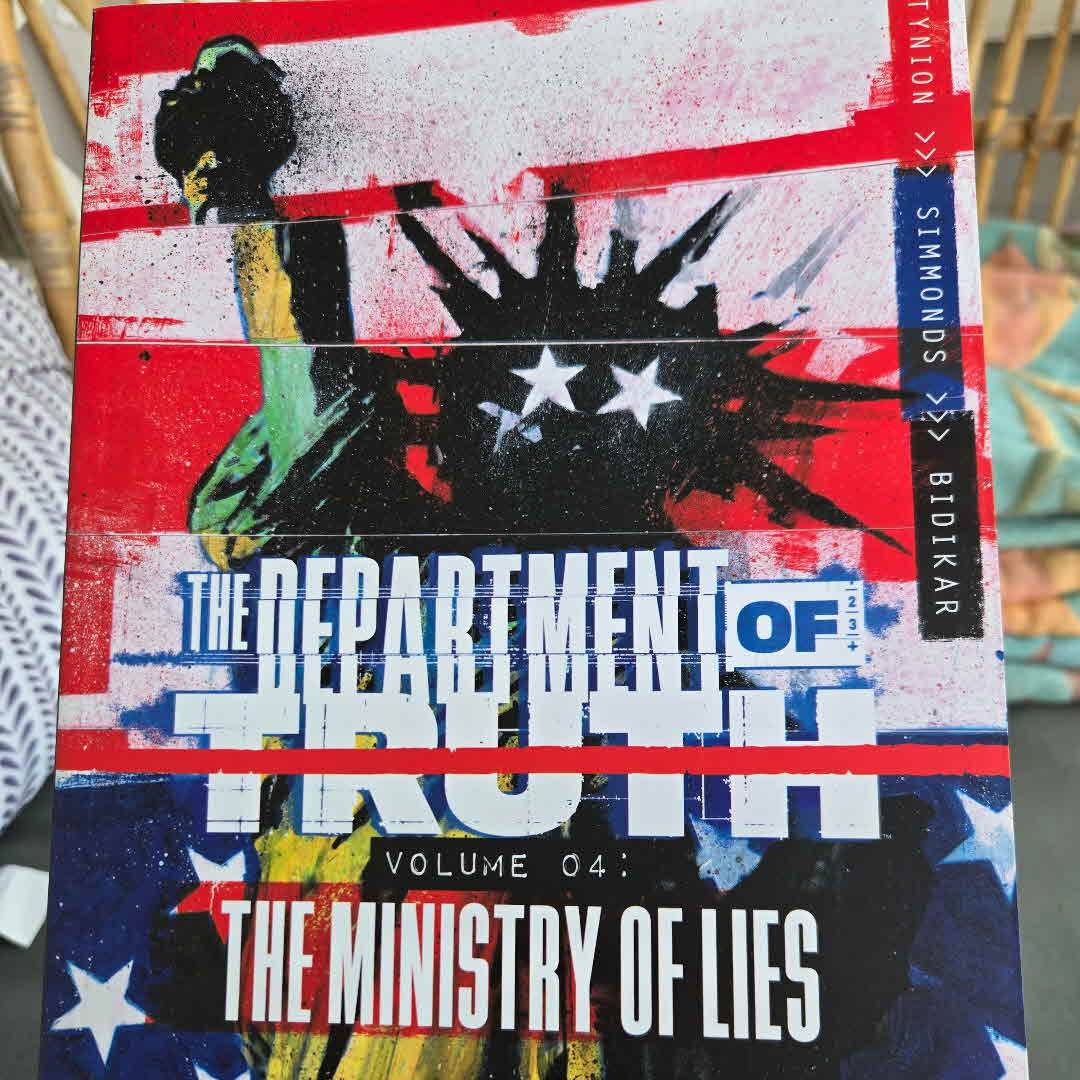 pick
pickMartin Simonds' art is so distorted and unnerving, apt for this story about how conspiracy theories are a vehicle for cultural tension.
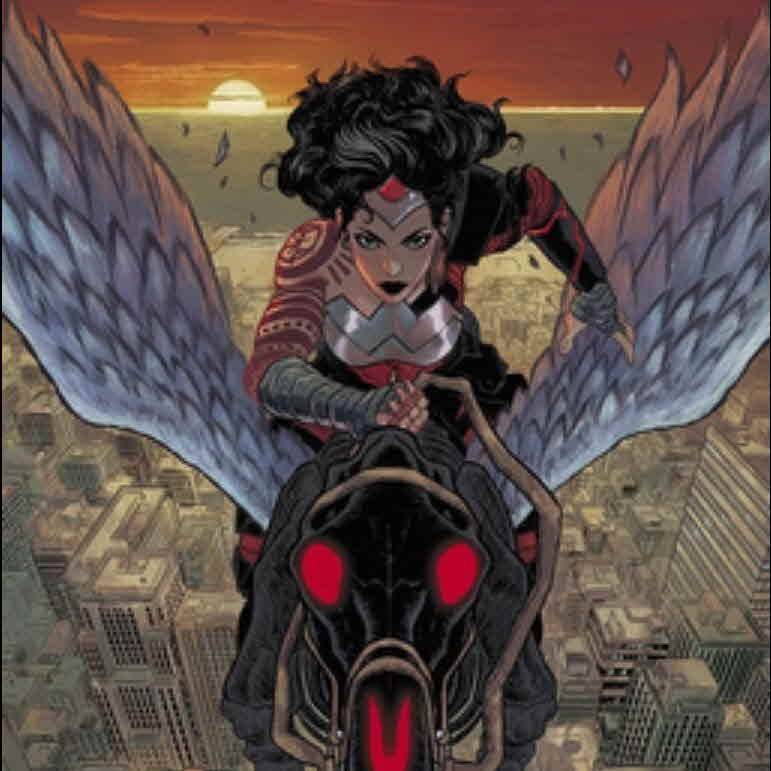 pick
pickIt's a great time to be a Wonder Woman fan. Kelly Thompson reimagines Diana as raised in the underworld as a witch by Circe, rather than on Themyscira. Absolute Wonder Woman feels closely related to Historia, even though they aren't technically in the same universe. This is a ton of fun (Diana does magic and has a giant sword!) and incorporates the right amount of Greek myth.
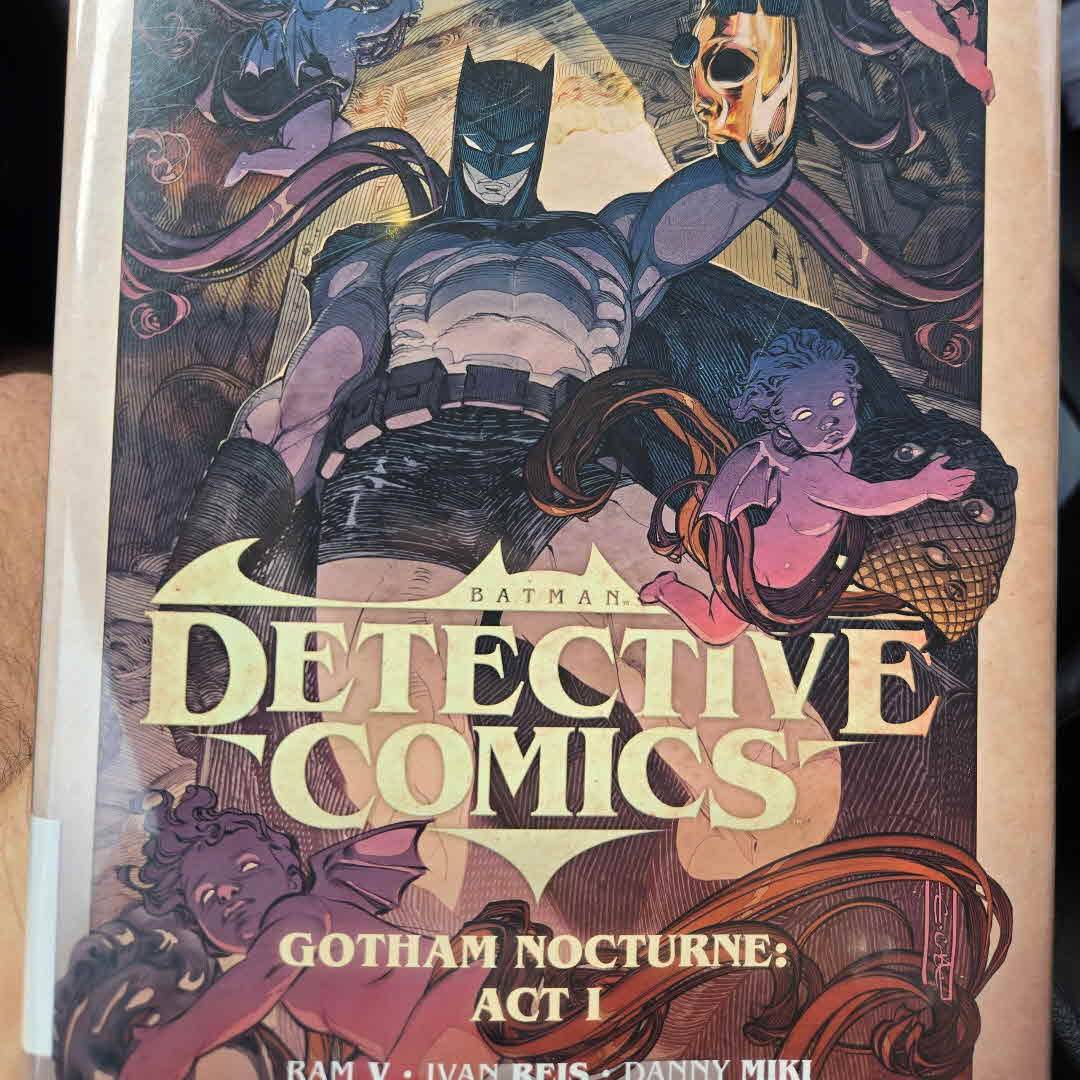 so-so
so-soNeither the story nor the art live up to the promise of the operatic pitch. Arzen Orgham is a low-rent Ras al Ghul and just incredibly boring. Spurrier's back-up stories about Two Face far outshine the main plot, which seems uninterested in Batman himself.
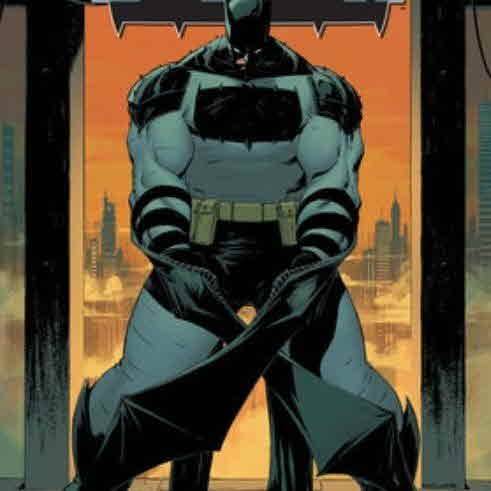 pick
pickI'm so impressed with this, even with all the hype. Snyder took a few years away from DC to work on creator-owned comics and he's clearly reinvigorated. I love the idea of a contemporary, working class Bruce Wayne who is fighting a corrupt system. Snyder gets that Batman's rogues gallery could just as easily be his buddies under different circumstances. Dragotta is truly in his element, squeezing every ounce of action into even the tiniest panels.
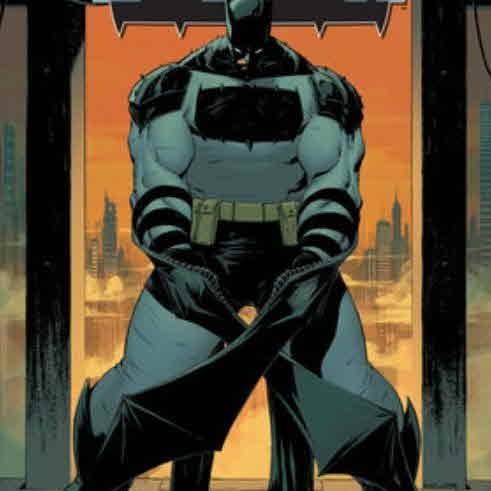
15 years after reinventing Batman, Scott Snyder is back at it [checks notes] reinventing Batman. Nick Dragotta's art is hyper-kinetic.
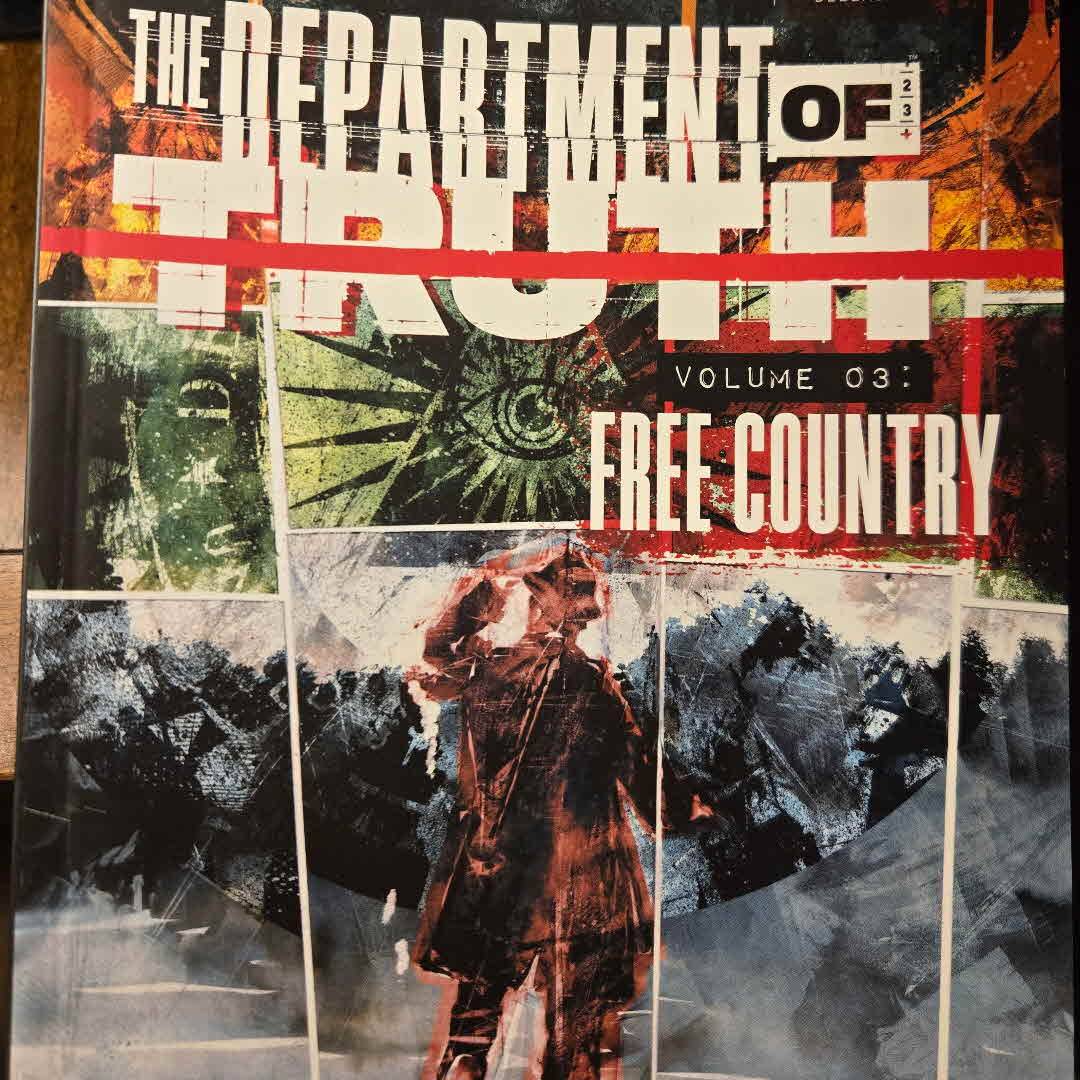 pick
pickAn absolute master class in identifying backup artists whose styles perfectly suit the vibe of each issue in this arc. This is organized chaos at the highest level, which is apt because it's also a major theme of how the Department of Truth was created. As conspiracy theories consume our public discourse, Tynion poses timely questions about the difference between "reality" and "fiction."
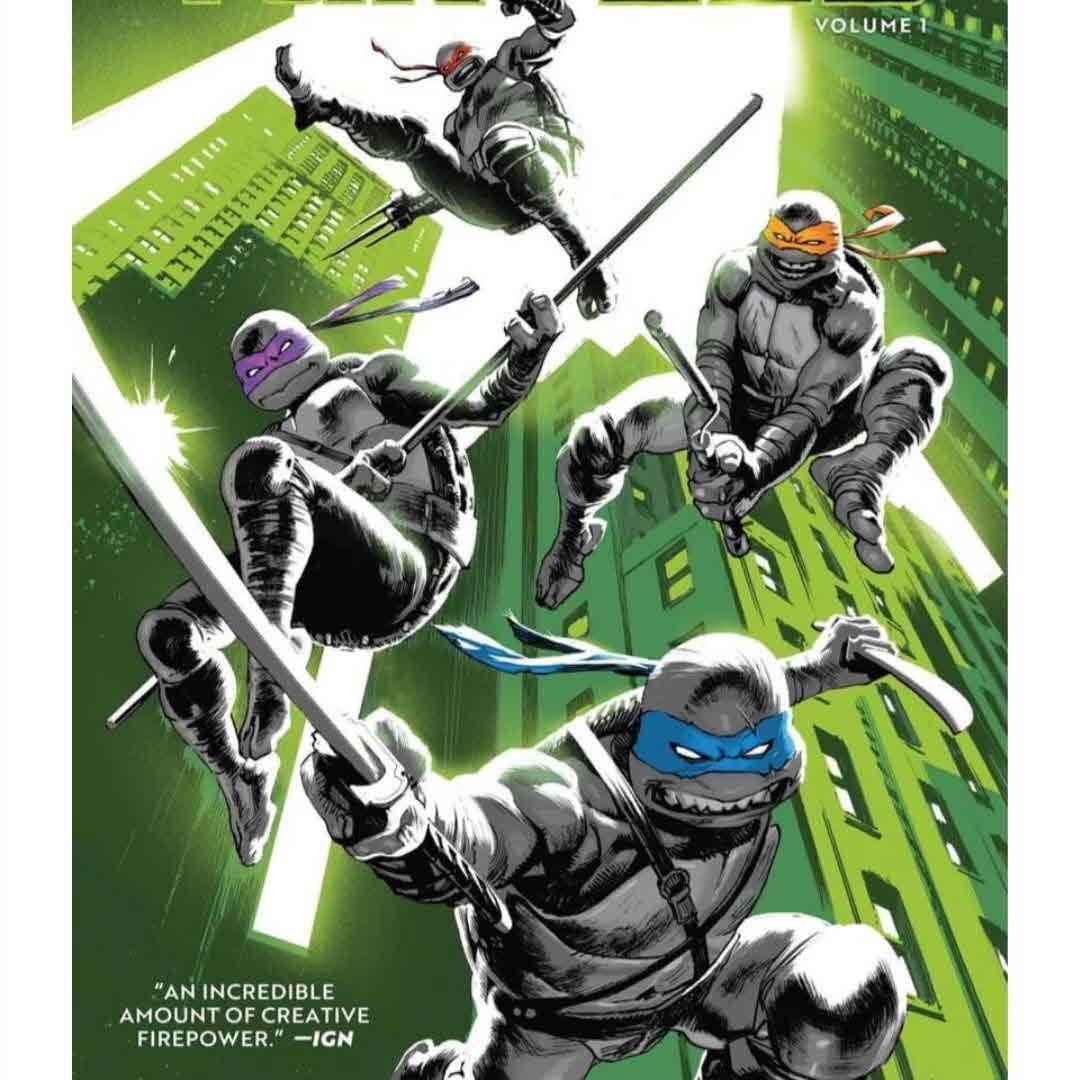 pick
pickThe trick with making TMNT compelling is writing each turtle as a distinct character. Aaron not only does this well but also starts his new run with the four brothers at odds. Rebuilding their bond will be tough with a corrupt mayor out to get them.
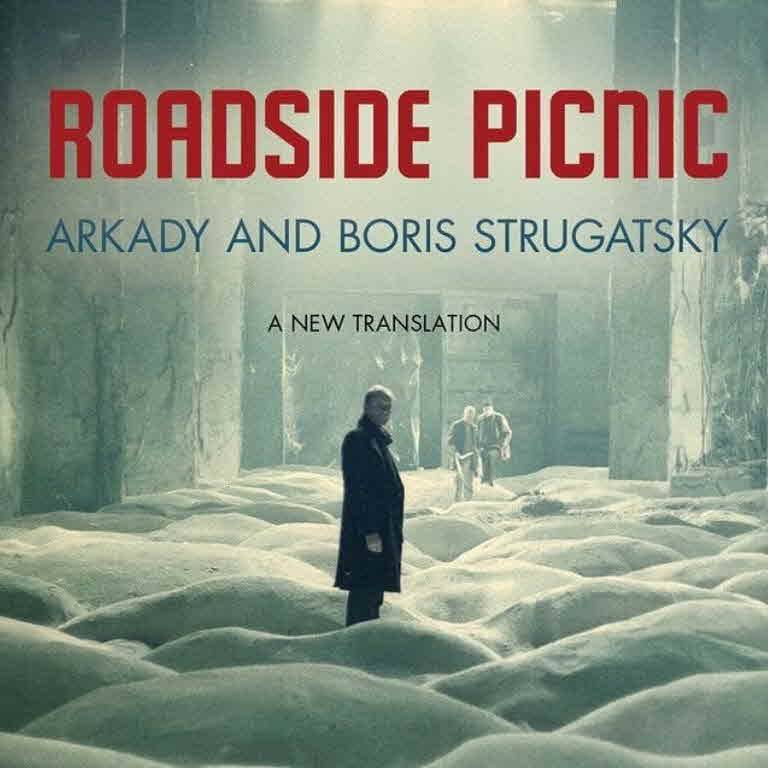 pick
pickThis really leans into the "iceberg method" with four chapters that leave a lot unsaid for the reader to intuit. The metaphor of the titular roadside picnic is really brilliant. Like a lot of sci-fi, it's more thought-provoking than ending with a clear message.
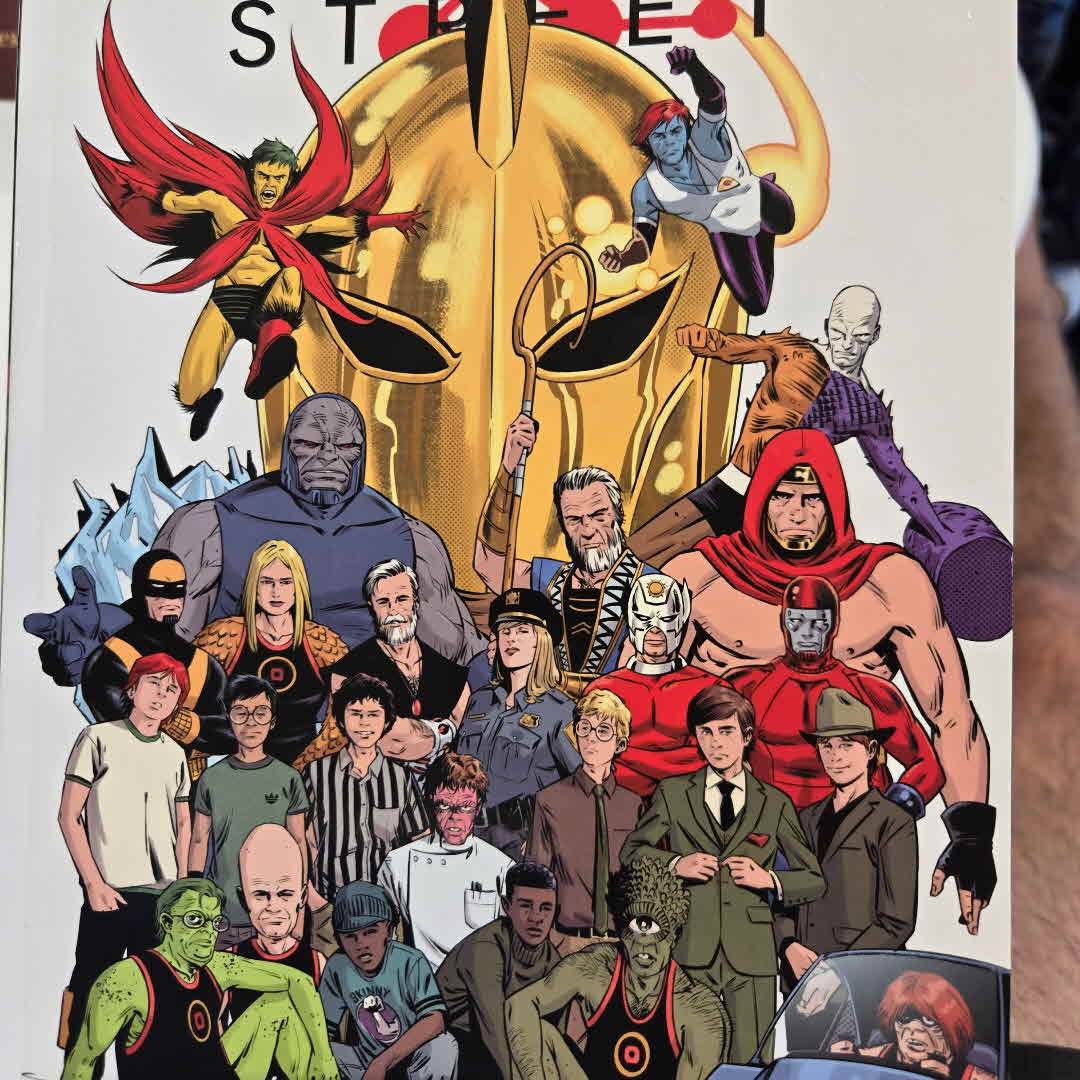 pick
pickThe back half of this series was stronger than the first half. All the dominoes fell in a satisfying way. If you have even the slightest affection for characters like Warlord, Lady Cop, and the Creeper, you will love this.
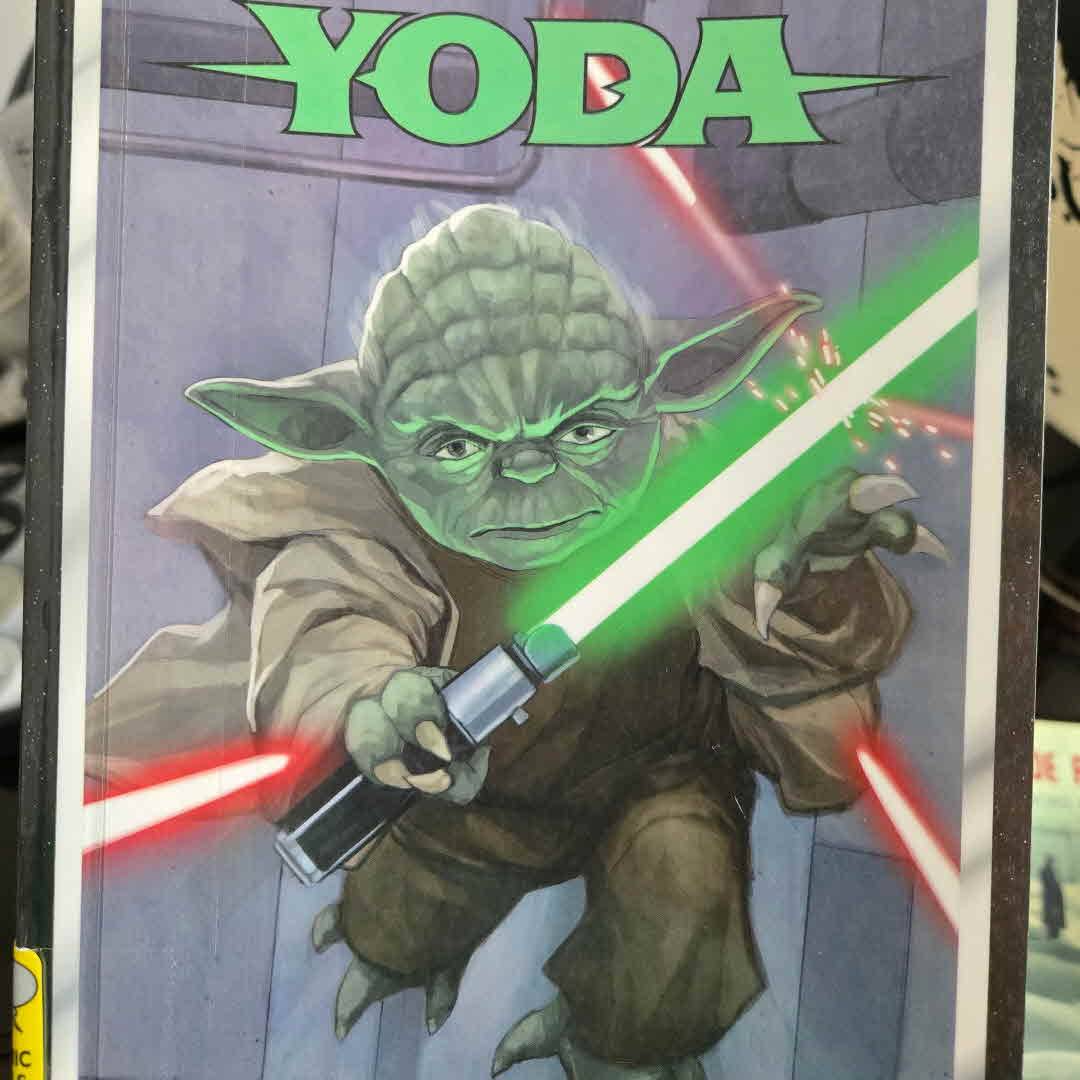 so-so
so-soThis series-by-committee takes us back to Yoda's past. The Yoda/Anakin arc by Guggenheim and Miracolo is the best of the three. The Phil Noto covers are great.
 pick
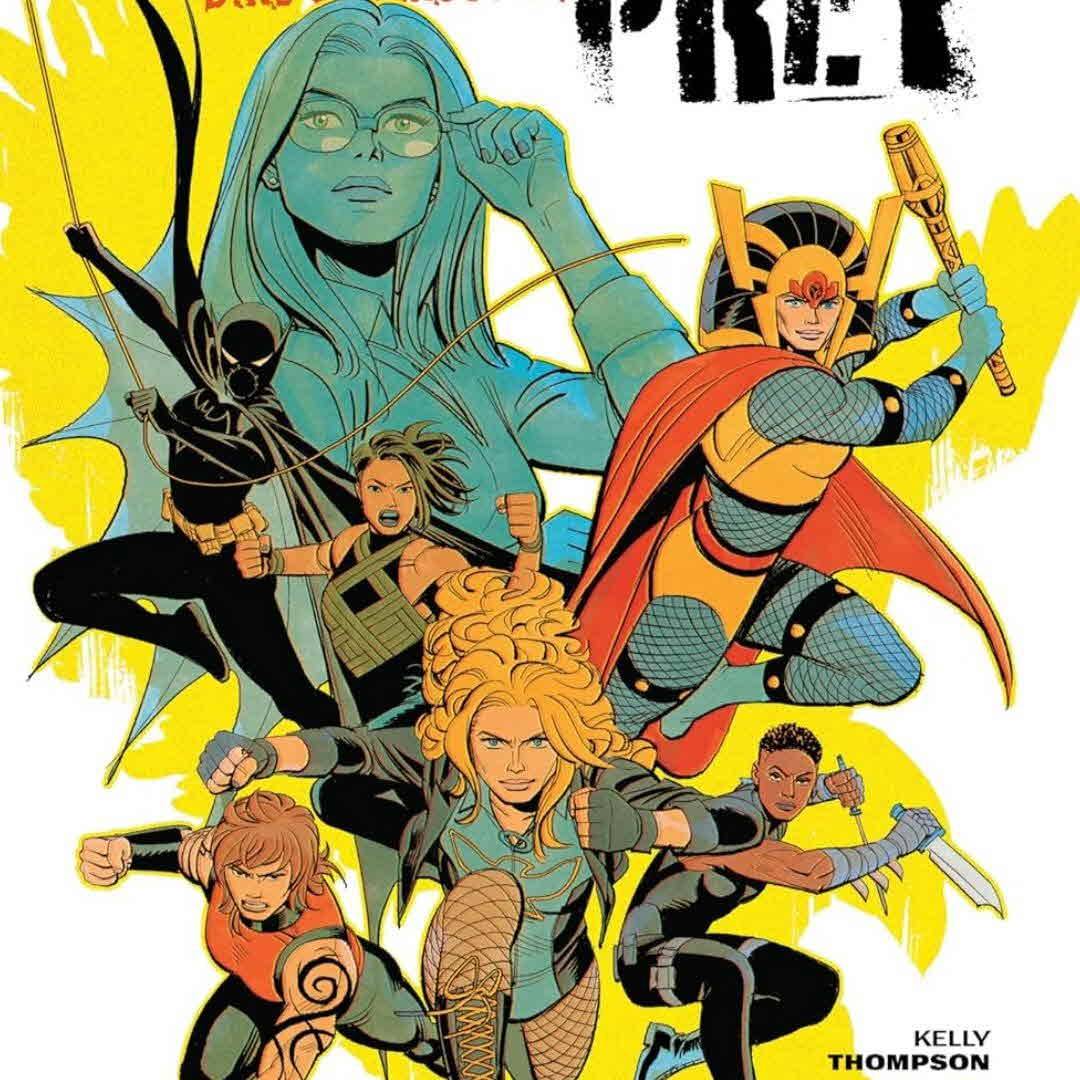
pickThe Barda/Cassandra Cain dynamic is worth the price of admission, as is Romero's stylized art and Bellaire's colors. This arc continues the themes of sisterhood in the face of patriarchal exploitation.
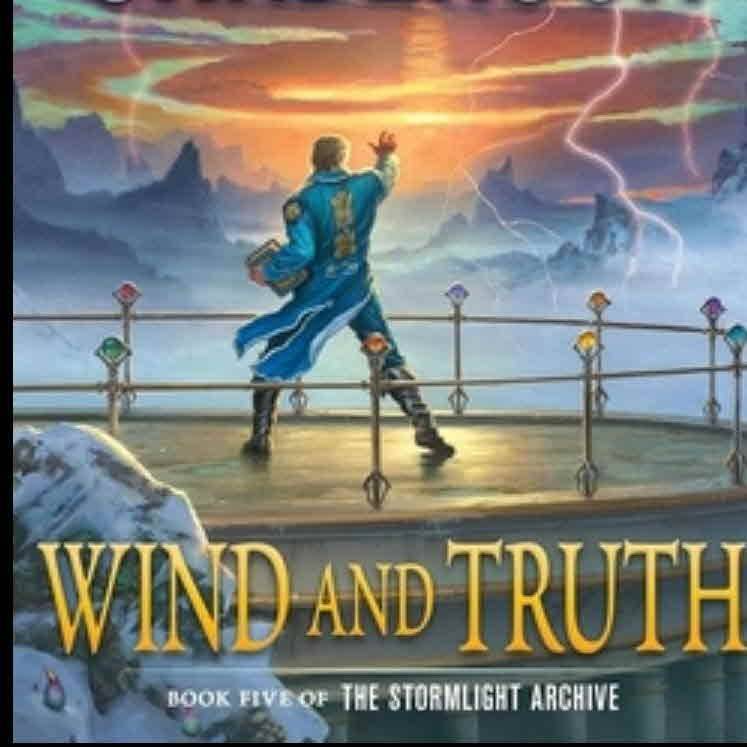
The first half of this book is an absolute slog, which is crazy because we're like 5,000+ pages into this series. BrandoSando made a strategic error, imo, by committing himself to real-time story-telling. This requires him to set this entire novel over the course of just ten days! Why???
 so-so
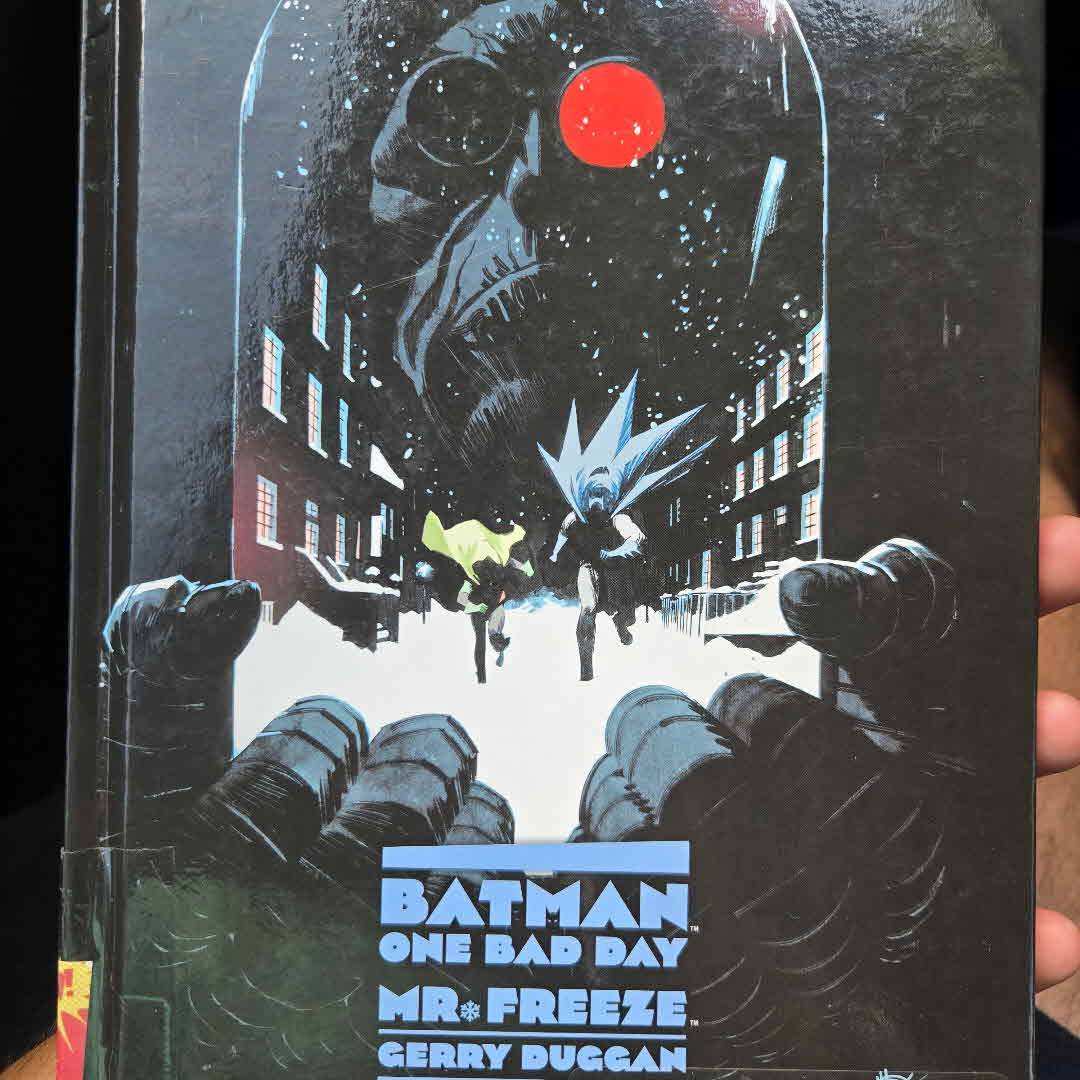
so-soGerry Duggan explores whether Mr. Freeze could be reformed, as well as the dynamic between Batman and Robin early in their partnership.
 pick
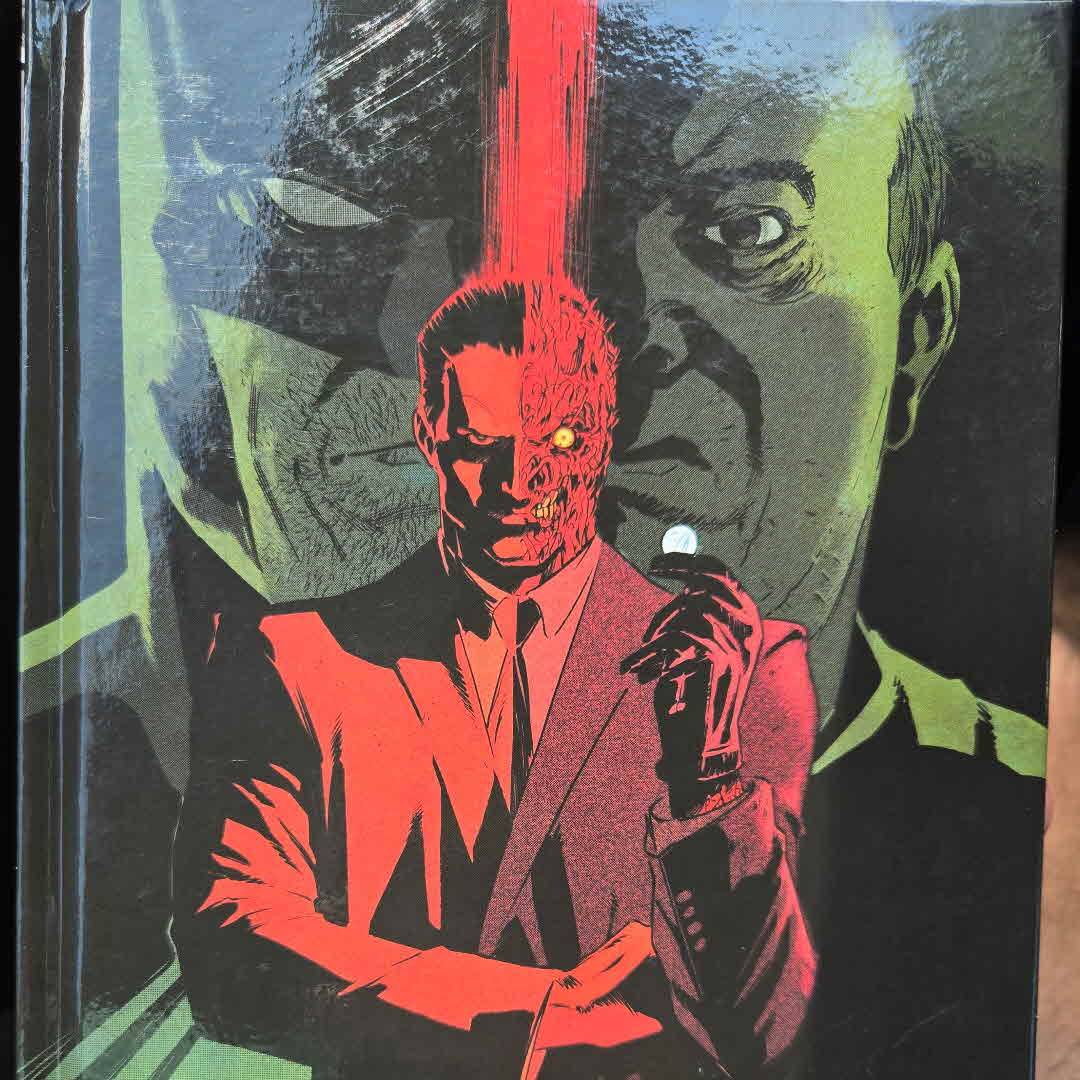
pickI saw the twist one million miles away, but this is a fantastic showcase for Javi Fernandez's art.
 pick
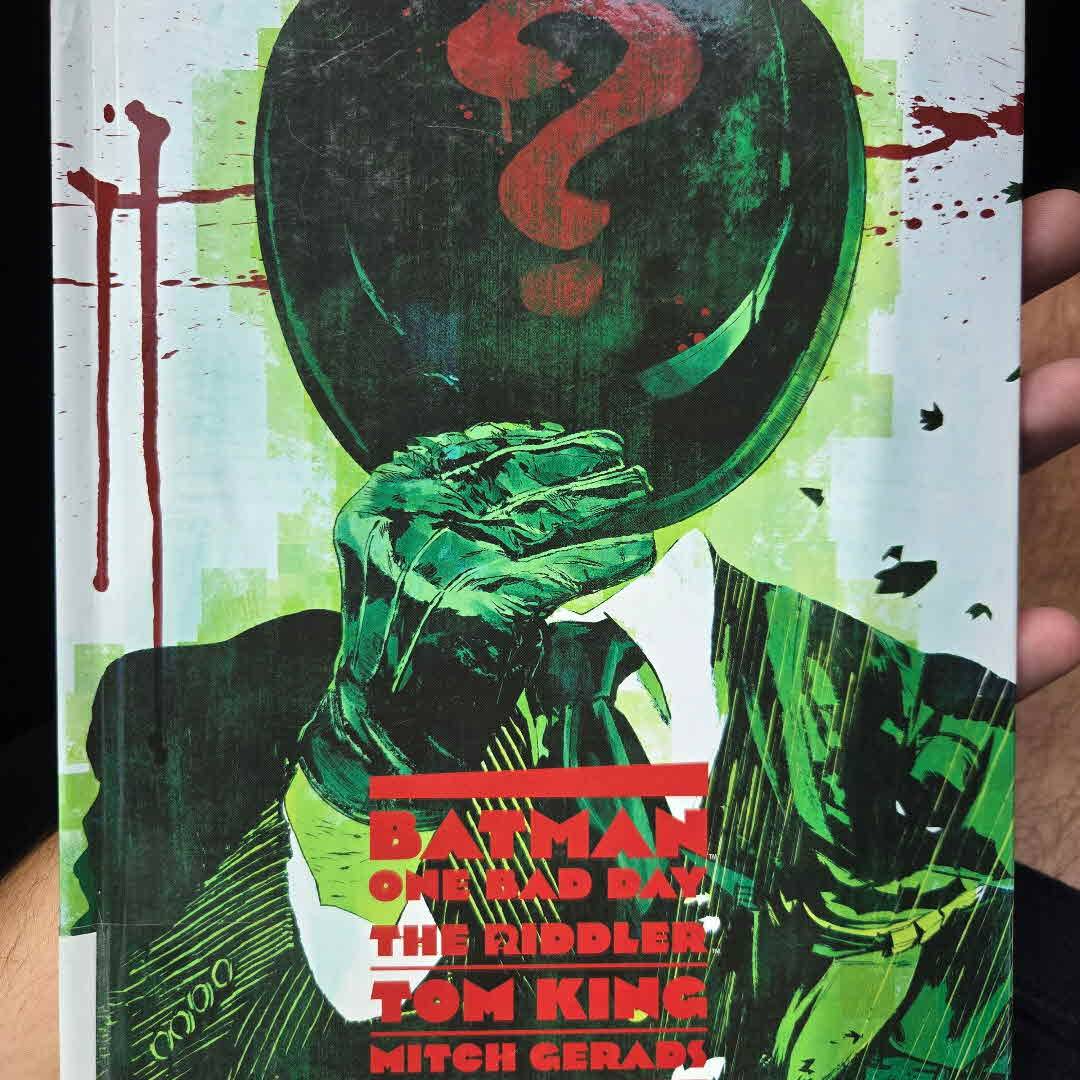
pickTom King and Mitch Gerads reunite to give us a more menacing version of the Riddler, as well as a more elaborate origin. Gerads deploys some really interesting designs, including some 1st-person POV panels, as well as security camera footage.
 so-so
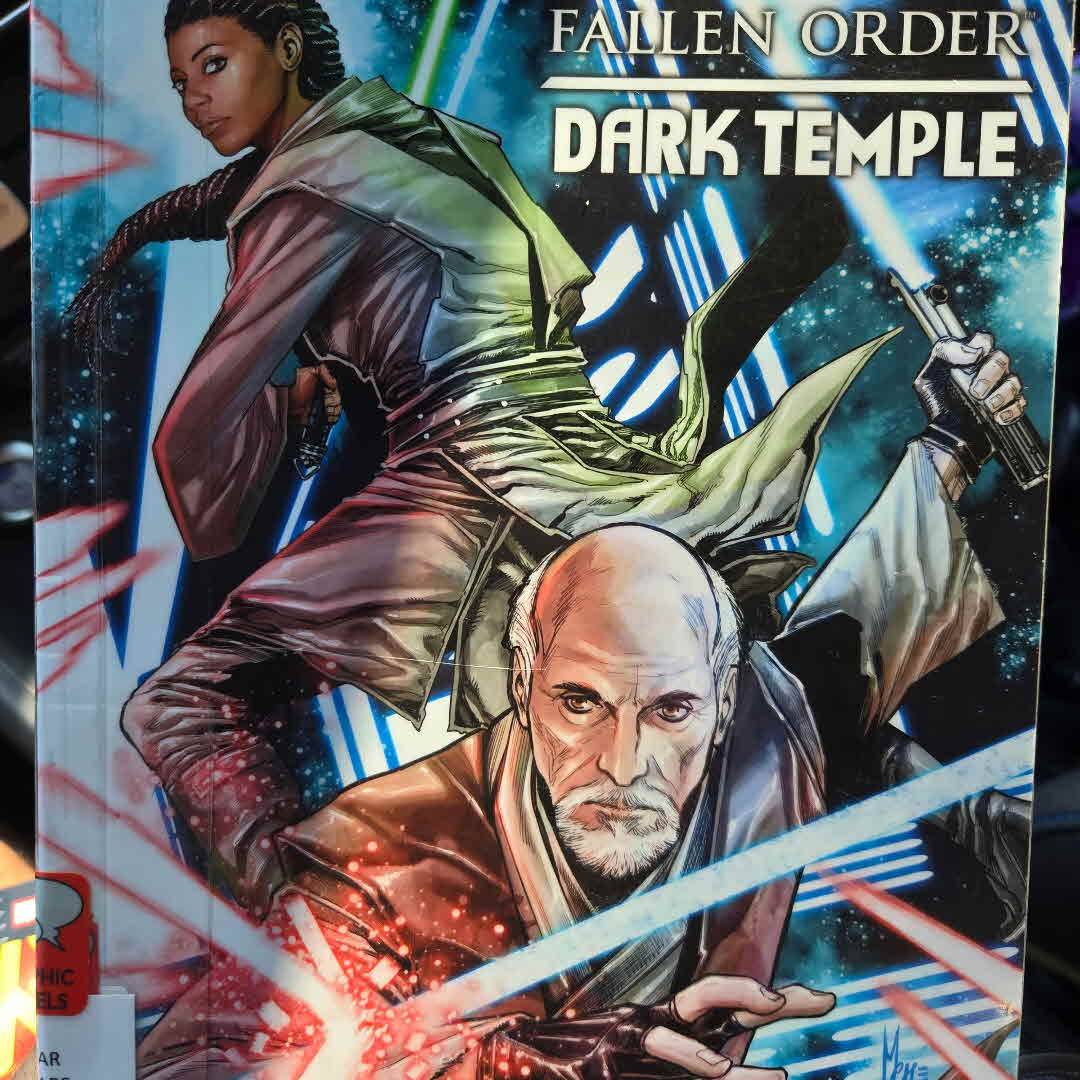
so-soA prequel/tie-in to the landmark Jedi: Fallen Order video game, Dark Temple gives us Eno Cordova's backstory. It's a classic Jedi mediation scenario where it may be impossible to find a peaceful way out of conflict between rival factions.
 so-so
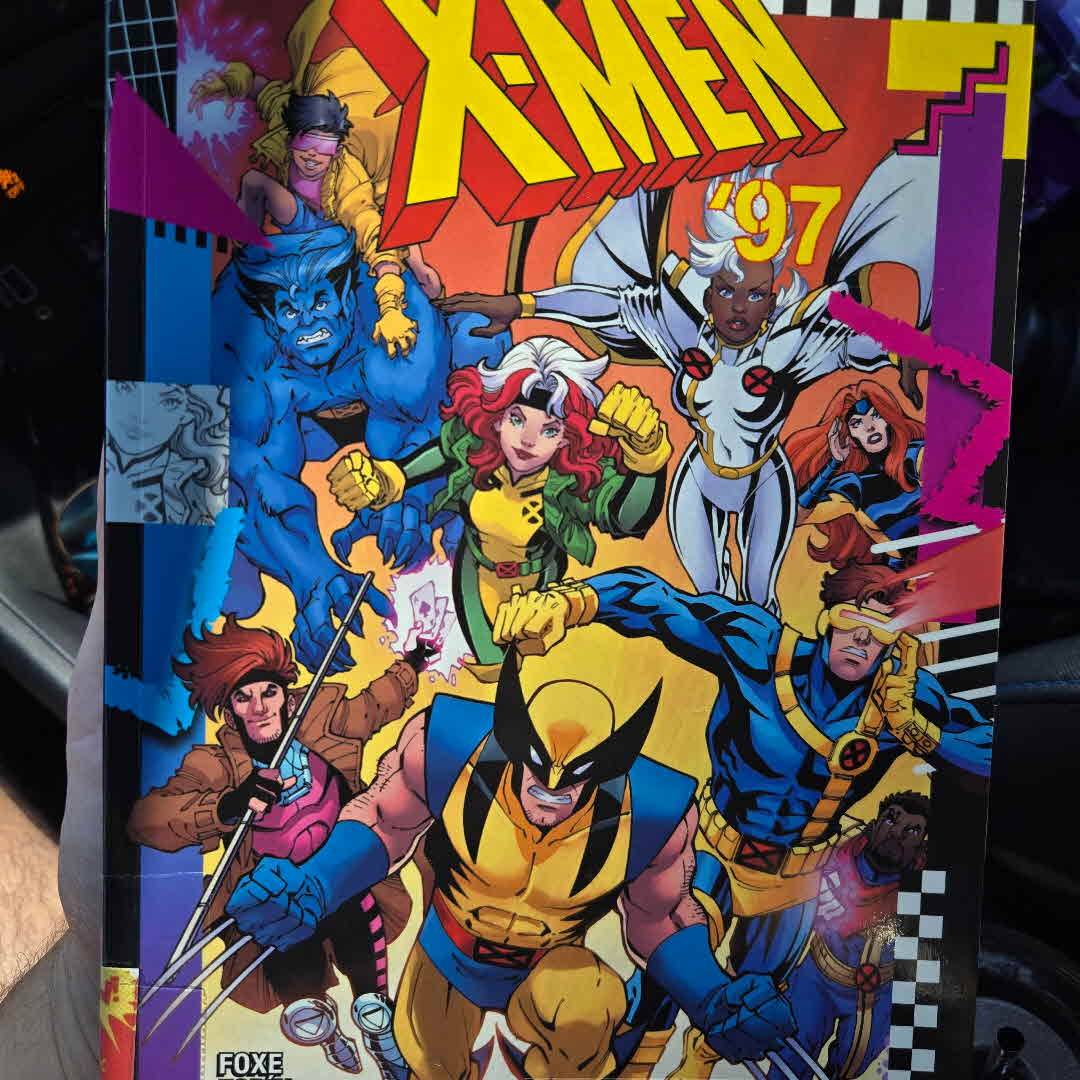
so-soA prelude to the awesome revival of the '90s animated series, this mini-series just sets up what the team was doing right before episode one. Nothing too crazy, but it's always nice to see Wolverine and Sabretooth.
 pick
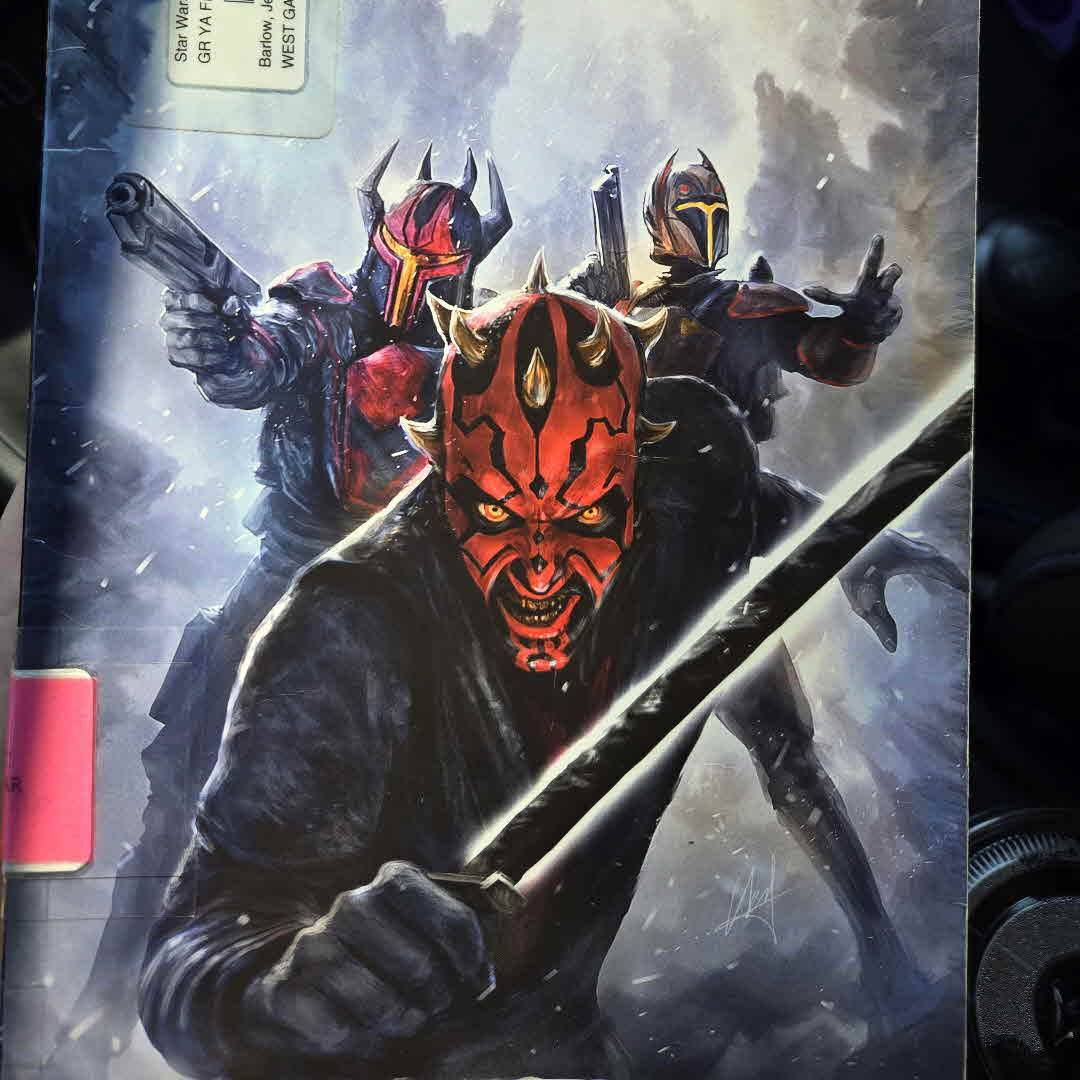
pickA fun little intra-dark side skirmish between Darth Sidious, Count Dooku, and General Greivous, on one side, and Darth Maul and Mother Talzin on the other. The only thing that bugged me is that Greivous speaks nothing like he does in Revenge of the Sith. The dark side eats its young.
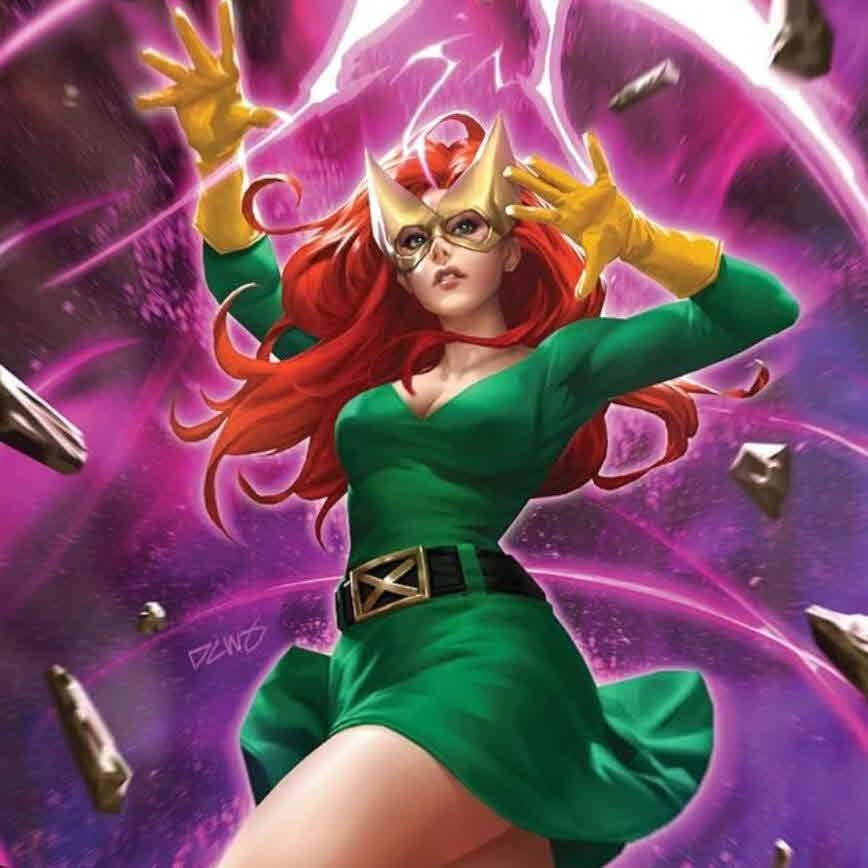 pick
pickIn this mini-series, comics veteran Louise Simonson takes us on a whirlwind tour of Jean Grey's most pivotal decisions. What if Jean had acted differently? This was really fun and you can read it even if you aren't caught up on X-Men.
 so-so
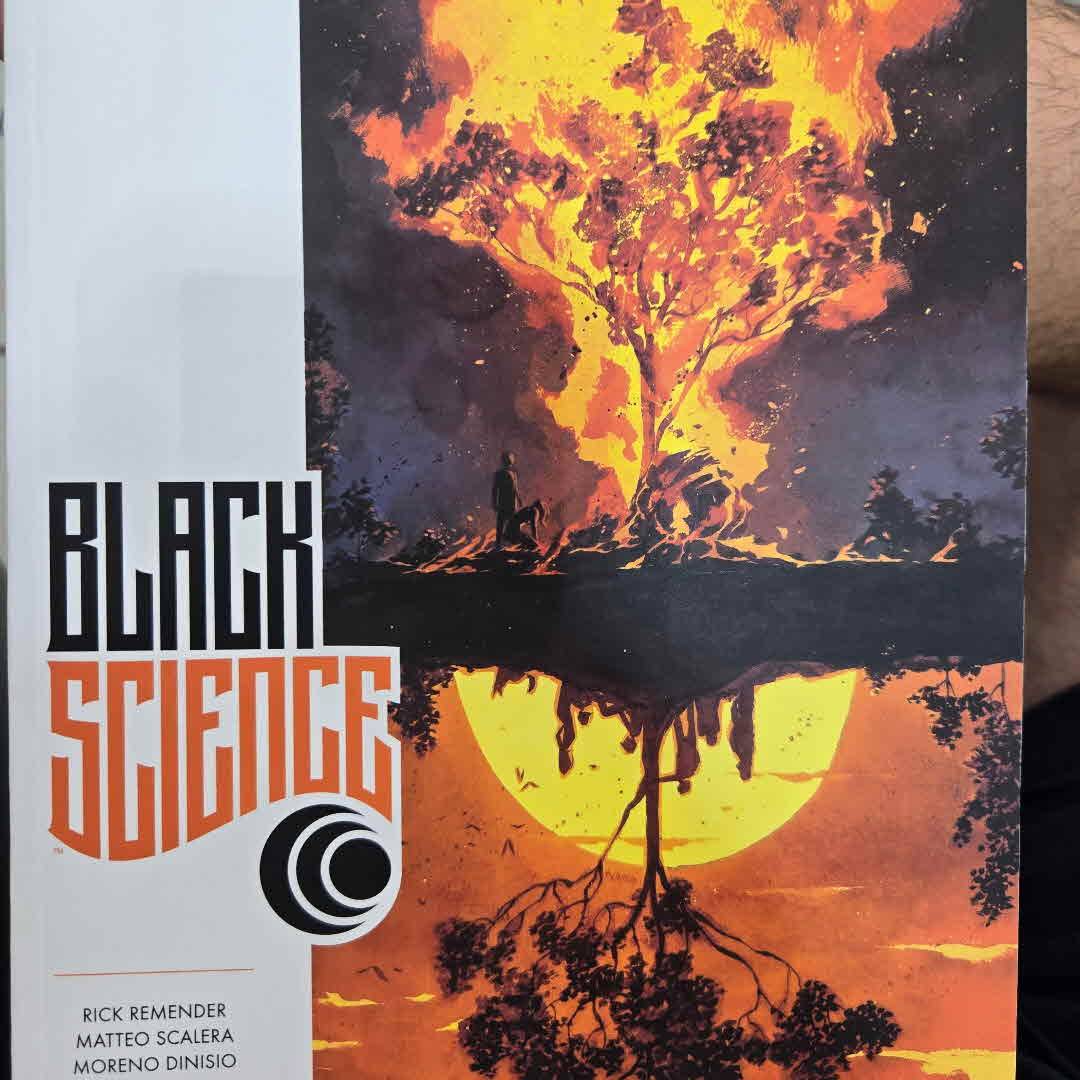
so-soHmm, I'm not sure what the point of this was besides self-loathing and nihilism.
 so-so
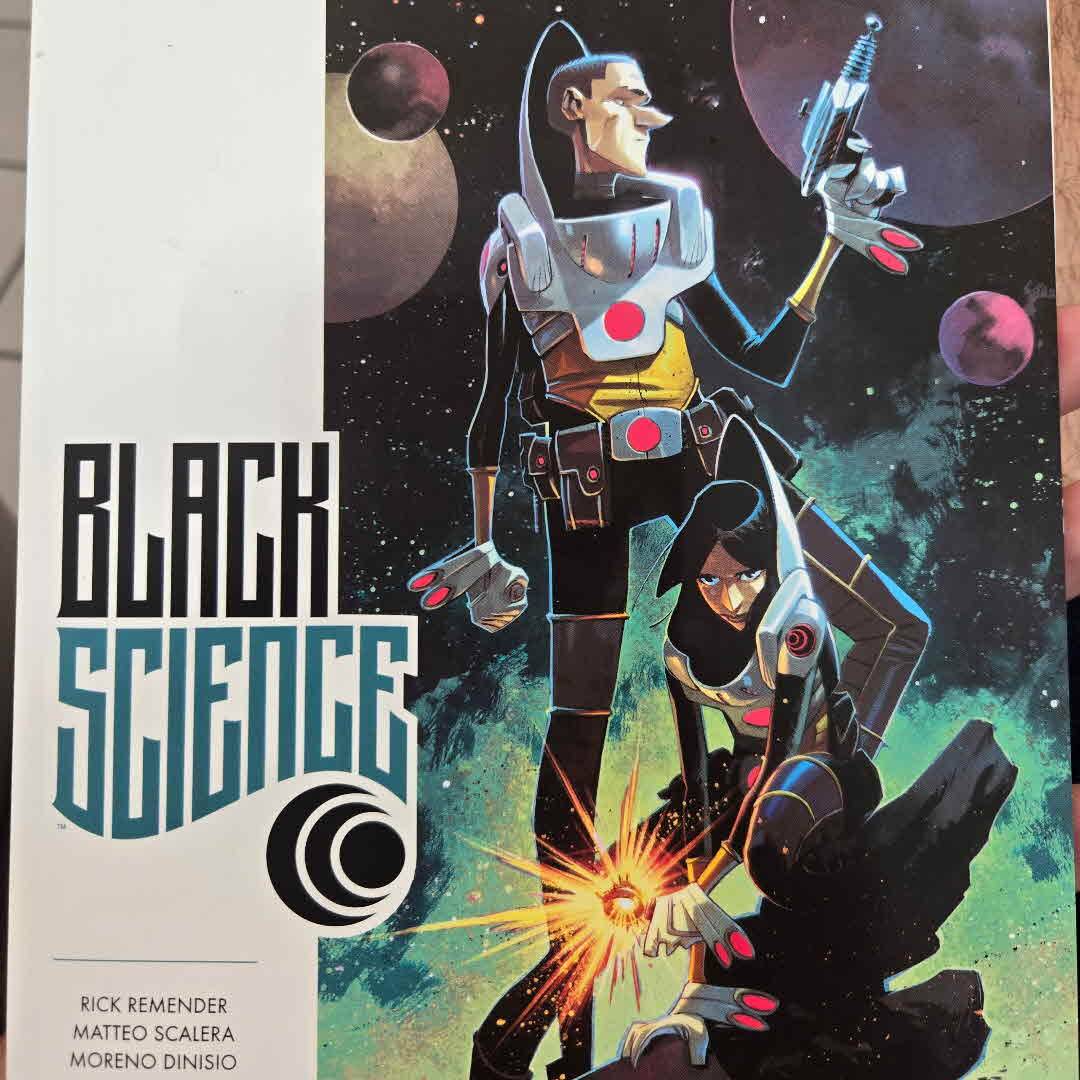
so-soThe dialogue in this arc sounds like someone who just got out of their Philosophy 101 class. Remender tackles big themes--marriage, parenting, free will--but doesn‘t have incisive answers. The story is at its best in pure adventure mode. Scalera's art, though, remains so stylish.
 pick
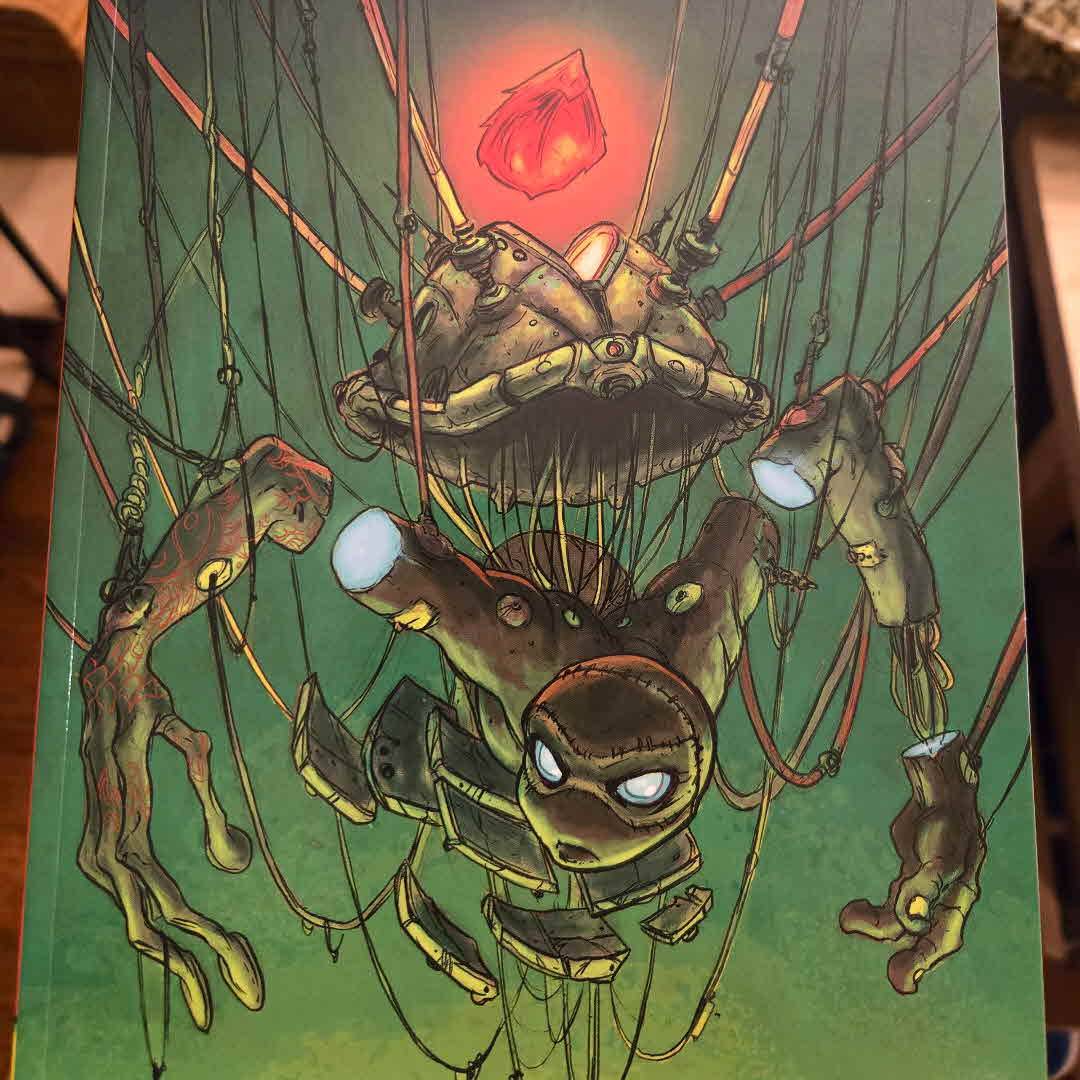
pickDonatello, after meeting the most evil-looking mad scientist ever, "Let's be friends!"
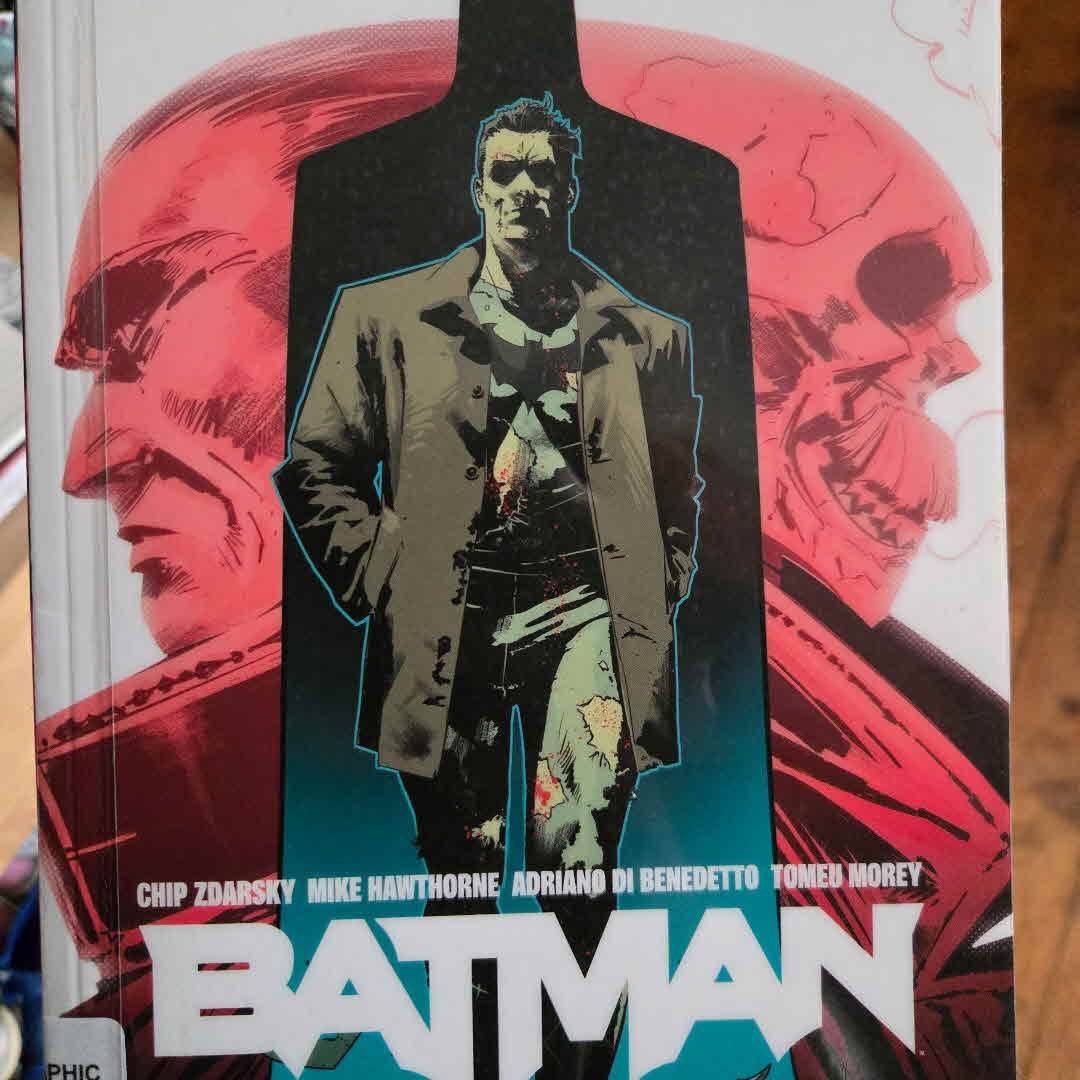 so-so
so-soThe tour through different universes was exhilarating, but Batman's time in exile in another universe was pretty boring. The biggest problem is that back-up artist Mike Hawthorne's art just isn't very good.
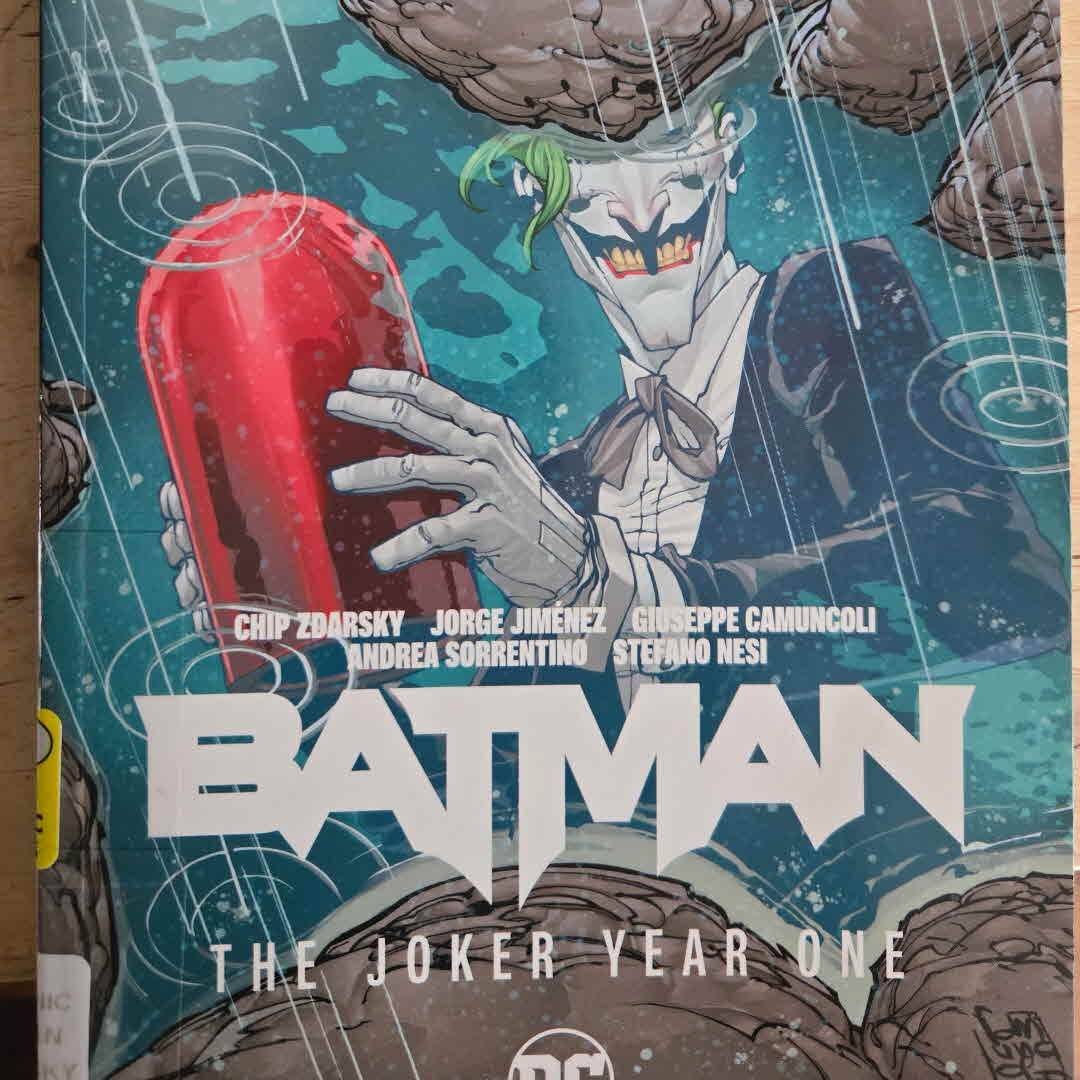 pick
pickIt's generally a bad idea to flesh out the Joker's origin story, but Chip Zdarsky really pulls it off. Jorge Jimenez's art is always stellar. This arc is a little bit of a transition from Failsafe to Joker as the dual antagonists.
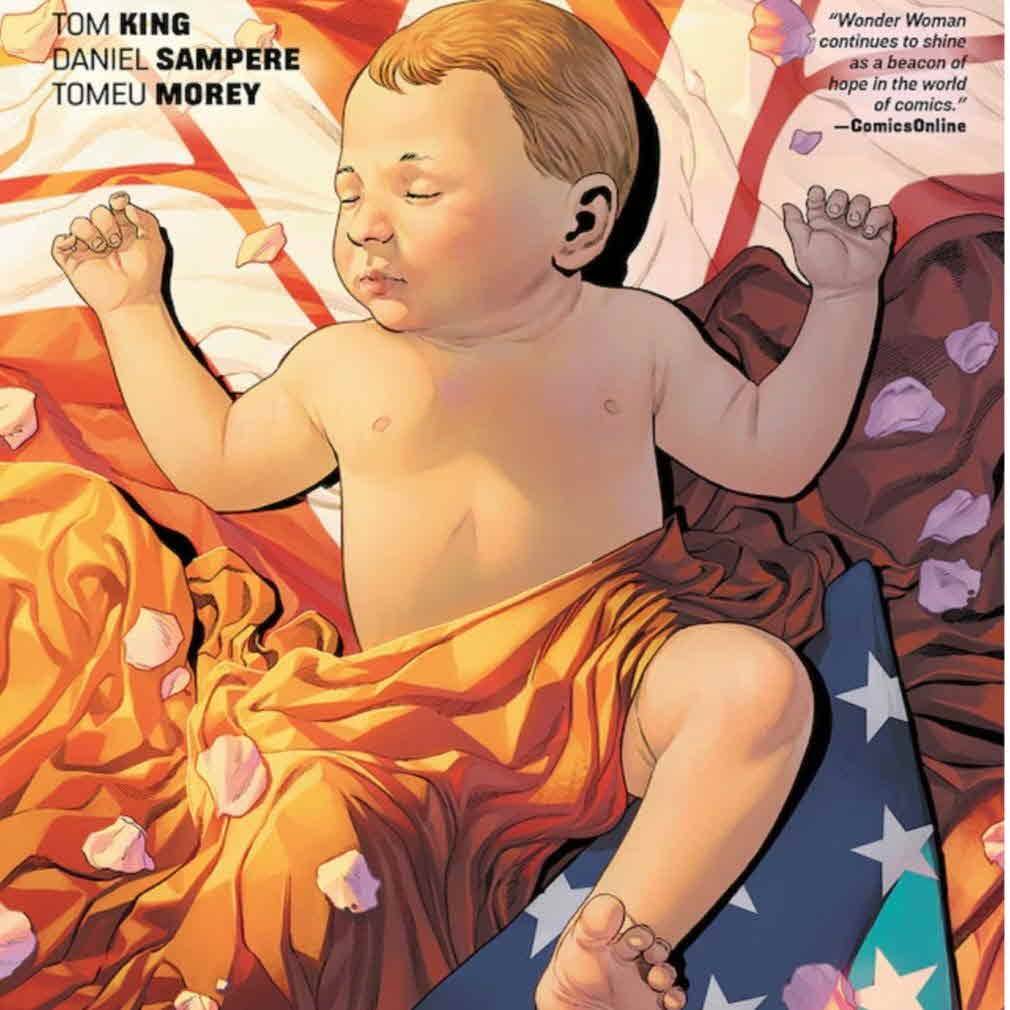 pick
pickSampere's art is awesome. King continues his story of elevating Wonder Woman to the pinnacle of the DC universe while introducing her daughter Trinity.