“Sometimes people are beautiful. Not in looks. Not in what they say. Just in what they are.”


“Sometimes people are beautiful. Not in looks. Not in what they say. Just in what they are.”
I would use The Book Thief to teach students about the power of words, historical context, and empathy. Through its unique narration and vivid themes, students can analyze characters, discuss moral choices during WWII, and create projects that connect literature to real human experiences.
 pick
pickThe Book Thief is a powerful, beautifully written novel that blends heartbreak and hope. Told through Death‘s unique narration, it follows Liesel‘s love for words amid the horrors of WWII. Zusak‘s vivid imagery and emotional depth create a story that stays with you long after you finish.
You can use Viva Frida to spark discussions about creativity, identity, and emotions. Students can explore Frida‘s art, create self-portraits, or describe what inspires them. The book supports visual literacy, encourages imagination, and provides a gentle introduction to artists and cultural heritage.
 so-so
so-soPublished in 2014, Viva Frida beautifully blends simple text with rich, artistic visuals to celebrate creativity and self-expression. The information is clear and engaging, making it perfect for young readers. Its vivid language and stunning illustrations draw children into Frida‘s imaginative world and inspire curiosity about art and identity.
This book can be used in the classroom to teach both science and literacy skills. Students can learn about animal adaptations, food chains, and ecosystems while exploring nonfiction text features such as captions, diagrams, and labels. The book can also inspire activities like comparing sharks to other predators, writing facts about sharks, or creating illustrations showing how sharks survive.
pickNeighborhood Sharks presents clear, exciting information about great white sharks near the Farallon Islands. The language is vivid and engaging, making complex facts easy to understand. Roy‘s words and illustrations capture the power and beauty of these incredible ocean predators.
Every fall, the great white sharks return to hunt the seals that live and breed around the Farallon Islands, just 30 miles from San Francisco
“Corinne La Mer wasn‘t afraid of anything.”
I would use this book in an older elementary classroom. I would use this to talk about supernatural creatures and magic.
pickThe Jumbies by Tracey Baptiste uses elements of speculative fiction to explore important “what if” questions about society and human nature. Through this idea, she examines how fear and misunderstanding can divide communities. The book also explores what if humans had to face the consequences of taking land and resources that once belonged to others, reflecting real issues of colonization and respect for nature.
“There is never a good way to find out your father is going to prison.“
I would not use this book in an elementary classroom. This book is more for young adults and would not be appropriate for elementary school students.
so-soContemporary Realistic Fiction: This book is about a teenager who feels invisible in her own life. After her father is sent to prison for crime and her emotionally distant mother sends her to a wilderness camp for the summer, Ashlyn must confront who she is without her family‘s expectations or protection. At the camp,run by her distant cousin,Ashlyn learns to face her fears, form real friendships, and redefine her sense of “home” and belonging.
“From us! Your evil stepsisters! We're here to take over and make you do all the work! Now fetch us a snack!
This book addresses relatable family changes, empathy, accessible format, and teacher resilience to an older elementary aged student. It also opens up discussions for students to talk about their feelings.
pickPublished in 2020, Graphic Novel: Lucy Knisley‘s Stepping Stones tackles mature themes like divorce, blended families, change, and identity through the relatable lens of a child‘s perspective. By using graphic novel format, humor, expressive illustrations, and age-appropriate dialogue, it makes complex emotions visible and approachable, helping younger readers connect without being overwhelmed.
“If you can't see in far enough, then get on this board and I'll push you in. There is plenty of room on the oven. Once you are inside you can take a good look.“
This builds literacy skills, encourages critical thinking, furthers social emotional learning, and has cultural/historical connections.
pickCaldecott Honor/ Fairytale: This fairytale was published in 1985. It is a fairytale because of its traditional origin, magical elements, moral lesson, and resolution.
“So the wolf lifted the latch and opened the door. He ran straight to the bed, and without even saying a good-morning, he ate up the poor old grandmother in one gulp.“
I would use this book because it helps students explore story structure, character traits, and morals. The tale encourages discussion about safety, choices, and consequences.
pickCaldecott Honor/ Traditional Fairytale: This fairytale was published in 1984. This book is a fairytale because it is timeless and shows good versus evil. It includes talking animals, danger in the woods, and a clear moral lesson.
I would use this book with elementary students. Drum Dream Girl can be used to explore music, culture, and perseverance. Students can discuss Rosa‘s dreams, identify instruments, learn about Afro-Cuban rhythms, and connect art to storytelling. Activities include creating rhythm patterns, drawing dream-inspired scenes, and talking about breaking barriers, encouraging creativity, empathy, and cultural awareness.
pickPicture book (2015) The illustrations are a vibrant celebration of rhythm, culture, and defiance. His acrylic-on-wood art bursts with saturated colors and dynamic compositions, capturing the energy of 1930s Cuba and the inner world of a young girl dreaming of drumming. López blends realism with surrealism, using dreamlike sequences—such as floating instruments and a dragon-shaped rhythm—to symbolize the protagonist‘s aspirations and challenges.
I would use this with younger children. The Very Hungry Caterpillar can teach days of the week, counting, and healthy eating. Use it for sequencing activities, chart the foods eaten, explore butterfly life cycles, and engage children in interactive reading by having them “feed” a paper caterpillar. It's colorful illustrations also support visual literacy and discussion of textures and colors.
pickPicture book (1969 & 1867) The illustrations are iconic for their vibrant, textured collage art. He used hand-painted tissue papers, cut and layered to create bold, colorful images that captivate young readers. The tactile quality of the artwork invites children to engage visually and physically, enhancing their connection to the story. This distinctive style has become a hallmark of Carle's work, contributing to the book's enduring popularity.
I would use this book with elementary students. This book talks about safety in a way where children would listen and pay attention. It would mean more if you had a police officer come in to read to your students.
pickPicture book (1995) Peggy Rathmann‘s illustrations in Officer Buckle and Gloria are a delightful blend of humor and warmth. The cartoon-style watercolor and ink artwork employs brilliant colors and creative use of white space, engaging readers in the story's humor and warmth. Gloria's impish antics behind Officer Buckle's back add a layer of comedy, contrasting with his earnest safety tips.
I would use this book with younger children. It is a book that shows a friendship form through pictures and it would help show younger kids what they can do to make friends.
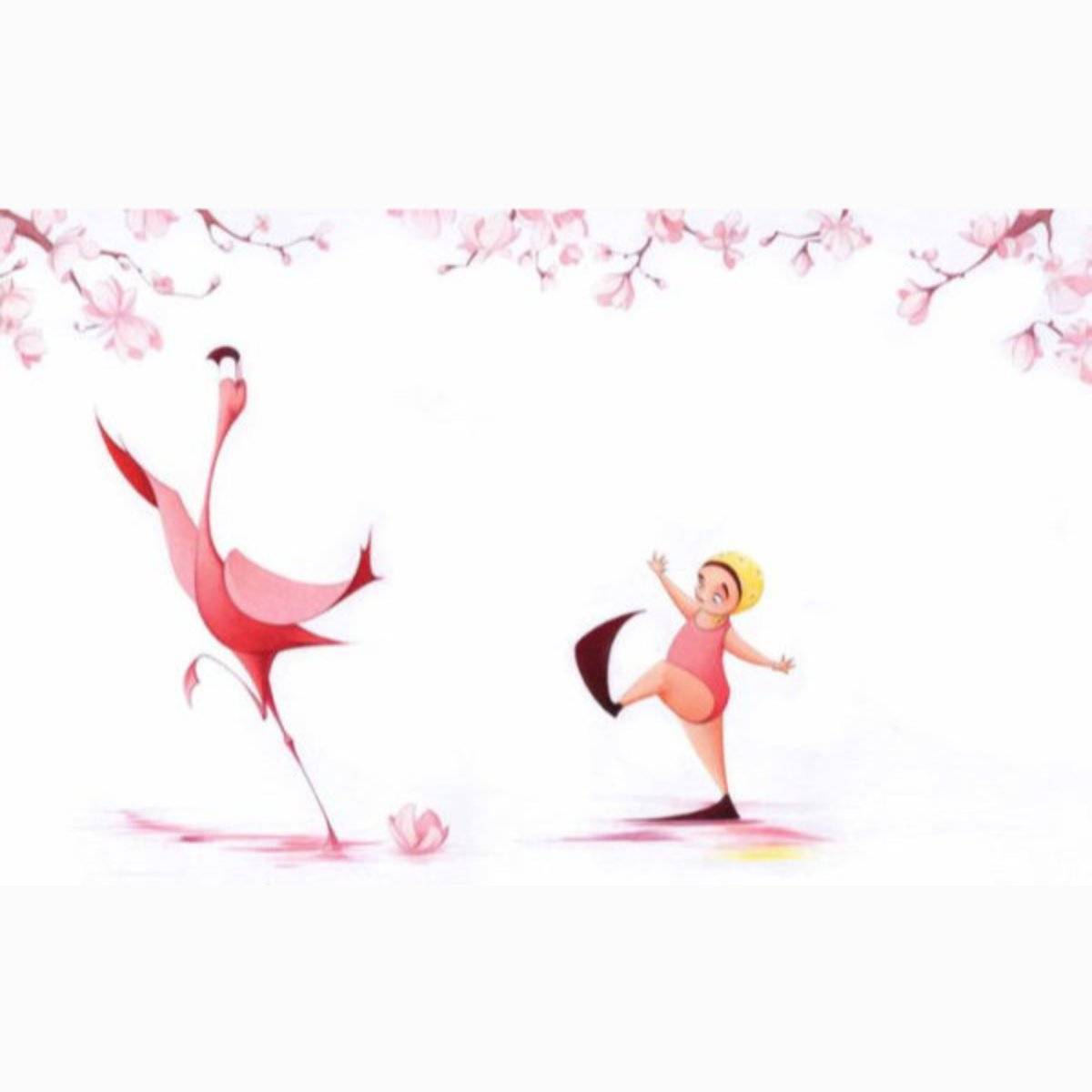
so-soPicture book (2013) The illustrations are a masterclass in visual storytelling. The minimalist palette of soft pinks, whites, and subtle yellows creates an elegant, airy atmosphere that complements the ballet theme. Idle's use of interactive flaps adds a dynamic element. The fluidity and grace captured in each illustration mirror the dance between Flora and the flamingo, making the book a visually captivating experience.
I could use this book with younger children. I can use this to teach students about emotions and how emotions affect others.
pickPicture book (1963) Maurice Sendak‘s illustrations in Where the Wild Things Are masterfully chart Max‘s emotional journey through contrast, perspective, and scale. Early pages confine Max in small, boxed scenes; as his imagination takes off, images swell, engulfing full spreads until even words disappear in the wild rumpus. The Wild Things are ferocious yet rounded, scary but oddly endearing—mirroring Max‘s inner turmoil and longing for belonging
I would use this book with younger aged children. It teaches children about generosity because Annabelle uses her yarn to make sure everyone in her neighborhood is kept warm during the cold winter.
pickPicturebook (2012) The illustrations are understated but deeply effective. Using a mostly grayscale palette for the town, he makes the colorful yarn “pop” so each sweater, object, or building wrapped in yarn becomes an emotional focal point. He often uses digitally scanned or painted knit-textures for yarn, lending warmth and contrast against flat, cold backgrounds.The style is minimalist, with simple, almost geometric lines and shapes.
I would use this book with elementary students (grades pre-k to 6). I would use this book to help introduce predicting/ inferencing. It is also a fun book to read in the fall around Halloween time.
pickPicture book (2012) The illustrations are in grayscale with dramatic lighting, bordered in shiny black, which heightens tension. Pops of orange draw attention to the carrots, real or imagined. Rounded shapes and playful character designs keep it fun, not terrifying. The panels flow like suspense scenes, mastering mood and pacing.
I would use this book in an elementary school classroom. I would use this book to help build empathy and help celebrate diversity. It shows how Jun finds comfort in her lunch because it reminds her of home and it shows how her classmates try to connect with her through food. This is how they are forming a friendship.
pickCaldecott Award Winner, Picture book(2024) Home in a Lunchbox by Cherry Mo is a tender, nearly wordless picture book about Jun, a child who moves from Hong Kong to the U.S. Struggling with language and loneliness, she finds comfort and connection through the food her mother packs. Lyrical art and color shifts capture emotions of loss, hope, and belonging. A moving story of identity, resilience, and how food bridges cultures.
“When I see three oranges, I juggle; when I see two towers, I walk!”
I would use this book with most grade levels but would do with 2nd grade and up. I would use this book to teach about perseverance, creativity, and courage. It could encourage students to take more risks (not as extreme ones) and it also educates a little bit about 9/11.