@BookmarkTavern
#sundayfunday
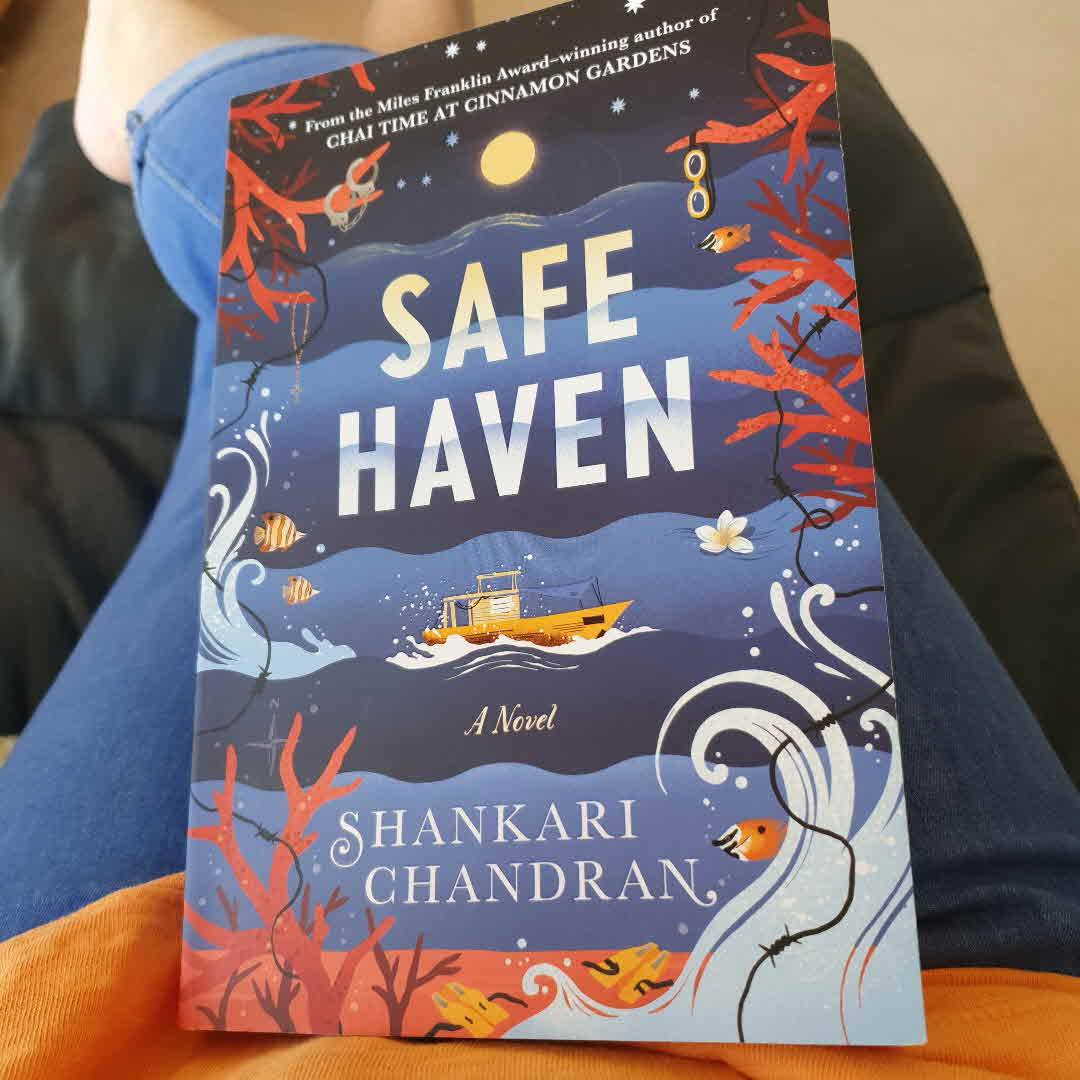
Contemporary story - a rural community working to protect one of their own against a backdrop of refugee experience and border policy. Recommended

@BookmarkTavern
#sundayfunday
Contemporary story - a rural community working to protect one of their own against a backdrop of refugee experience and border policy. Recommended

#whereareyouMonday
@cupcake12
In a detention camp in Northern Australia, I think this is going to be a hard read

I talk about my top ten reads of 2023 in my latest booktube video:
https://youtu.be/rFH2XGAOWmI
And a longer list of best books is on my blog:
https://lindypratch.blogspot.com/2023/12/best-books-of-2023.html?m=1

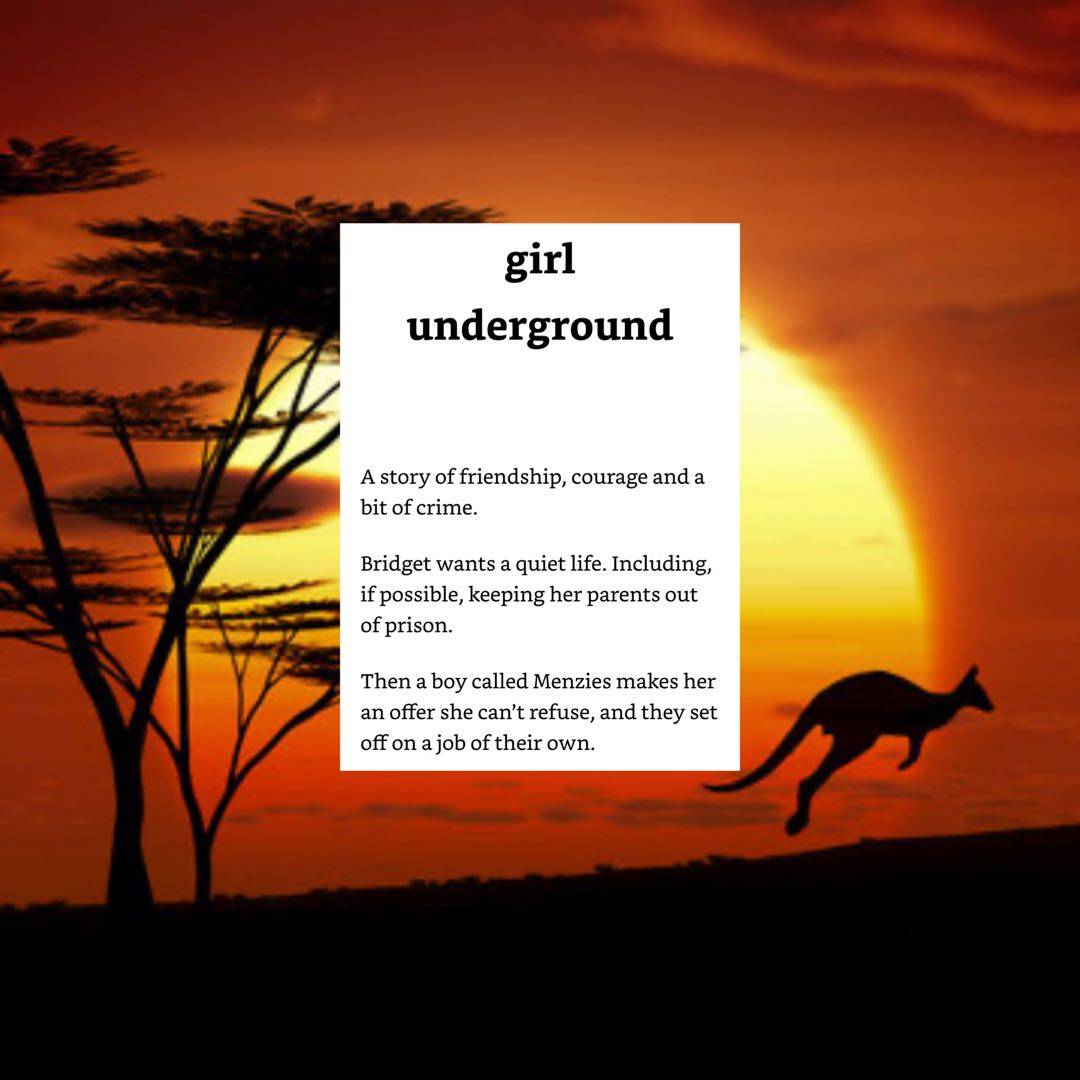
This was recommended by a teen who lived in Australia- and it was a great choice! Two kids try to do what‘s right to help two kids in a detention camp. There are a lot of grey lines- sometimes the “bad guys” are good and sometimes the “good guys” are bad, and I laughed, I cried, I loved it. #foodandlit #Australia

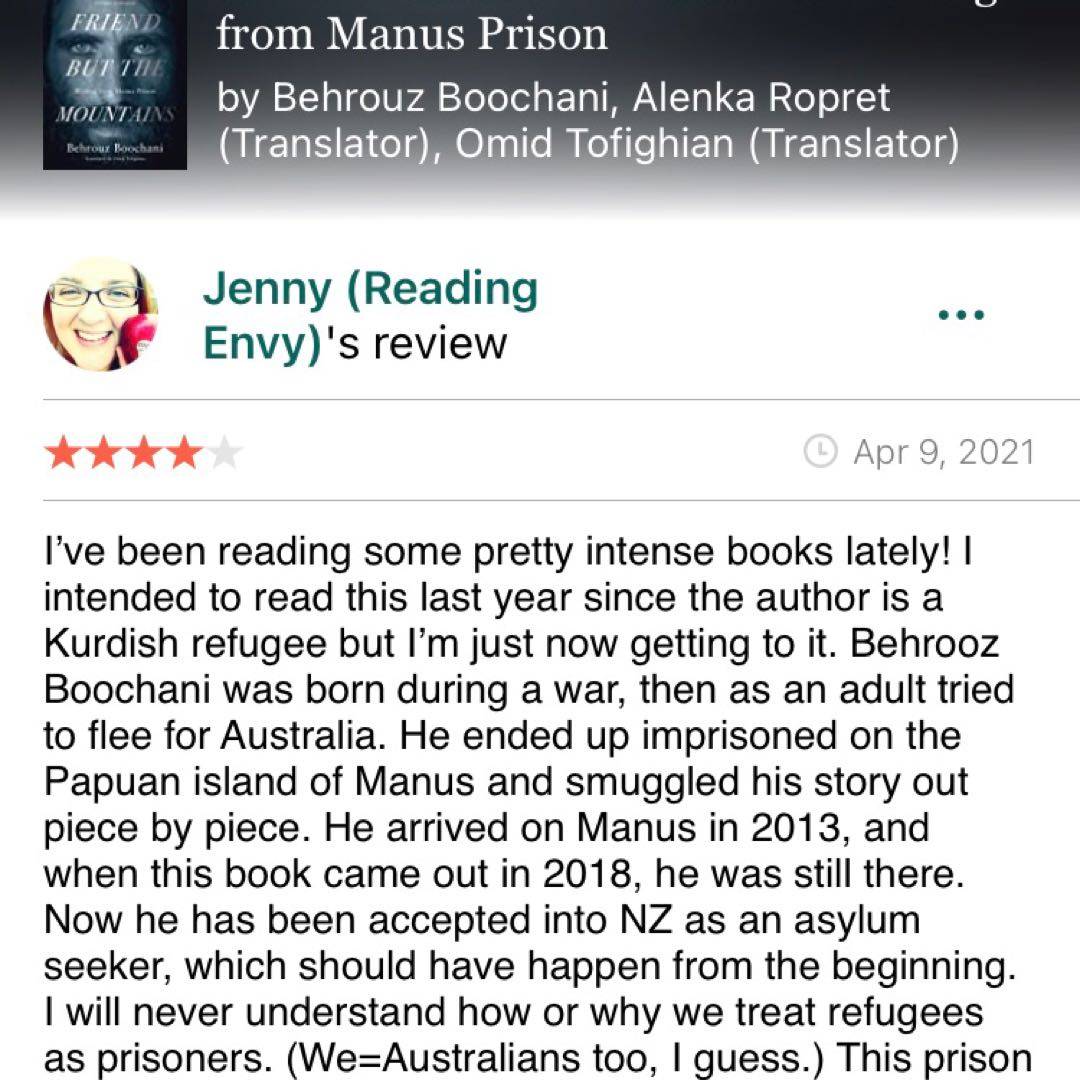
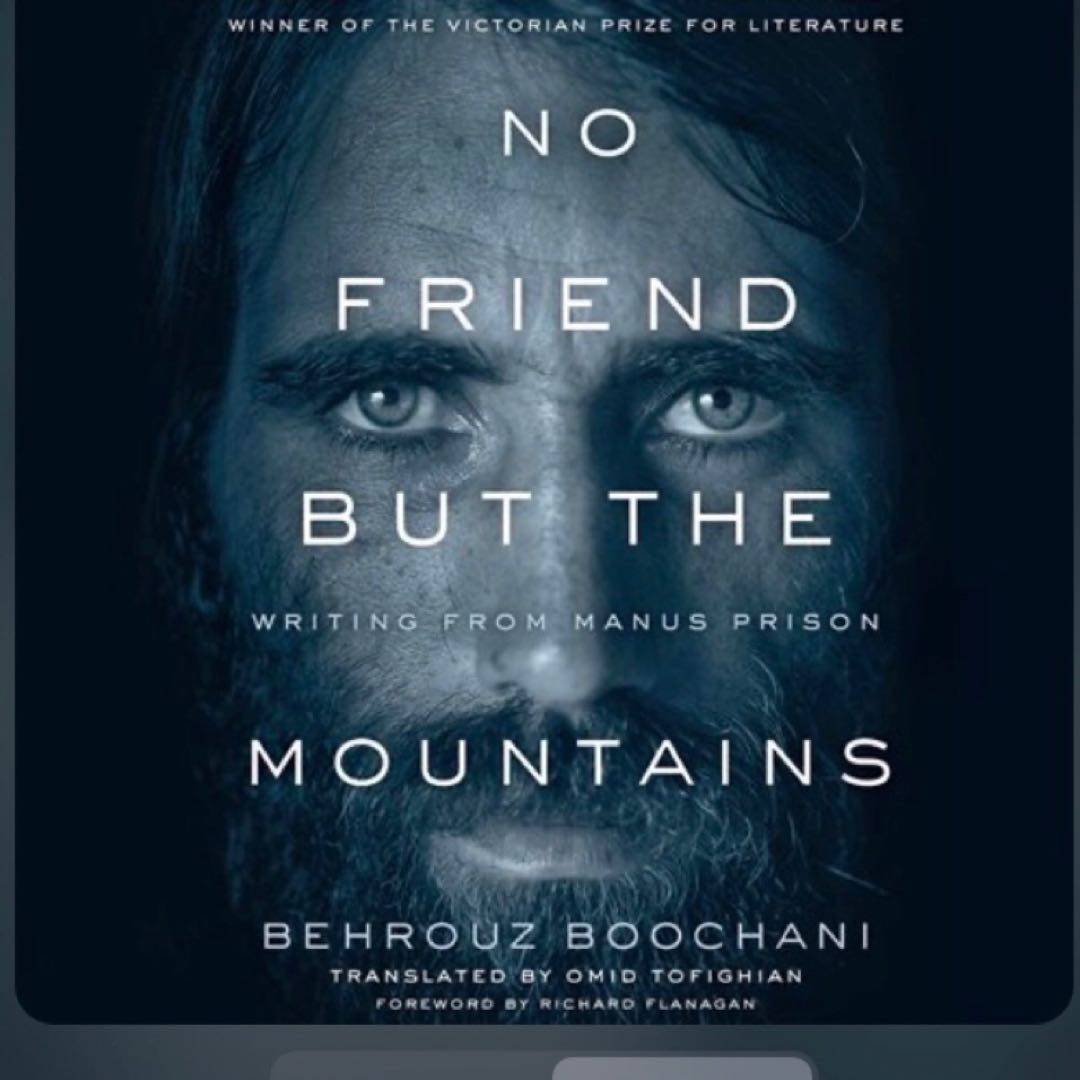
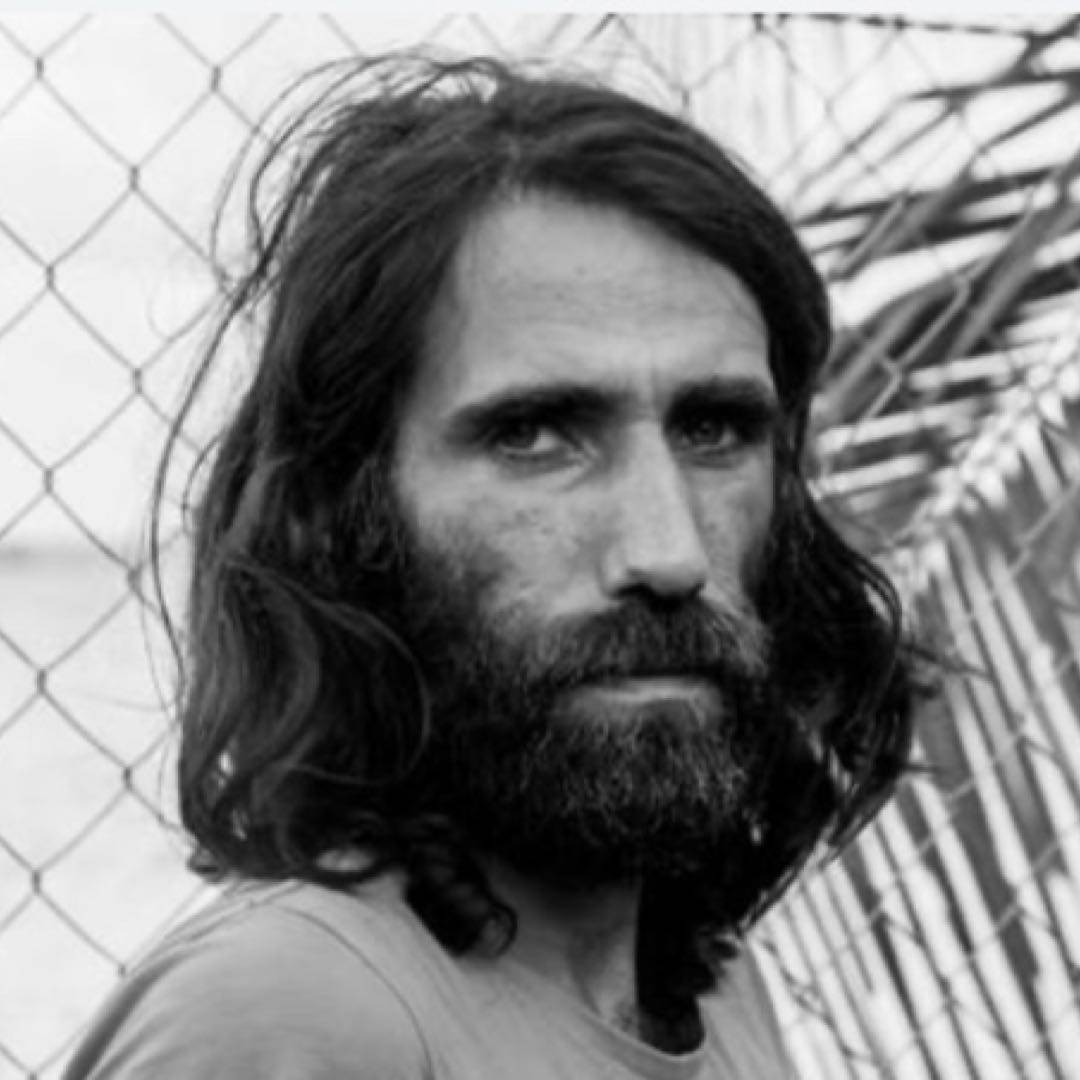
This is the face of Boochani, a Kurdish man who fled Iran and then Indonesia by boat, only to be placed on an island in an Australian-run prison upon arrival. A journalist and a poet, Boochani writes of his five years under intolerable conditions alongside fellow refugees. This book was written text by text to the outside, a feat that seems unimaginable. There really are no words for how his writing and his stories have impacted me. (continued)...

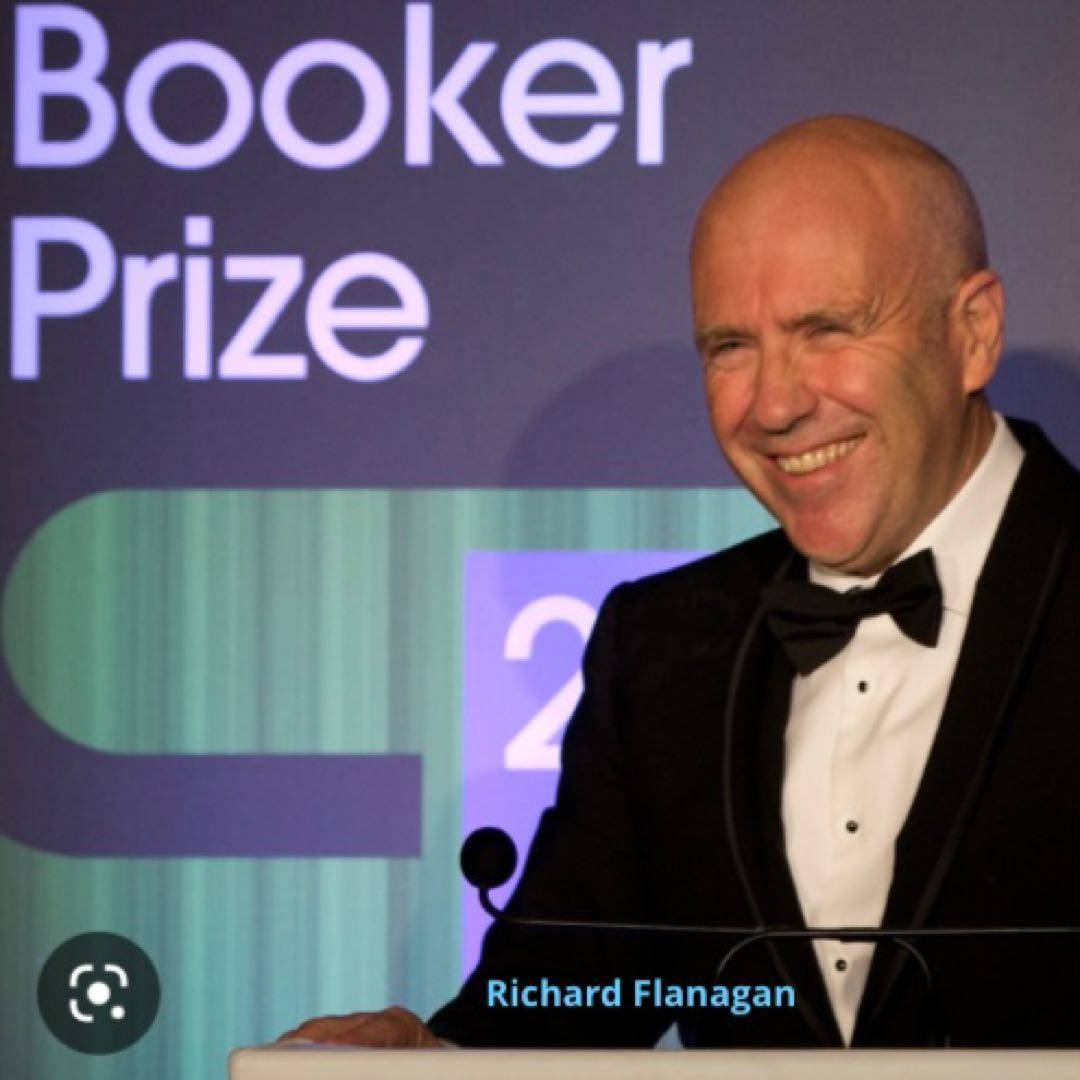
I tried this in print last year but got bogged down in the extensive translator notes at the beginning. This time, I listened to the audio, performed by 10 different narrators, including Richard Flanagan (who wrote the foreword) & Omid Tofighian, who translated the work from Farsi. Kurdish Iranian refugee Behrouz Boochani was illegally imprisoned by the Australian govt. This book was smuggled out in text messages. An AMAZING call for justice.

I was painfully reminded, in his descriptions, of the Australian officials‘ behaviour on Manus of my father‘s descriptions of the Japanese commander‘s behaviour in the POW camps where he and fellow Australian POWs suffered so much. What has become of us when it is we who now commit such crimes?
—Richard Flanagan, in the foreword to the tagged book.

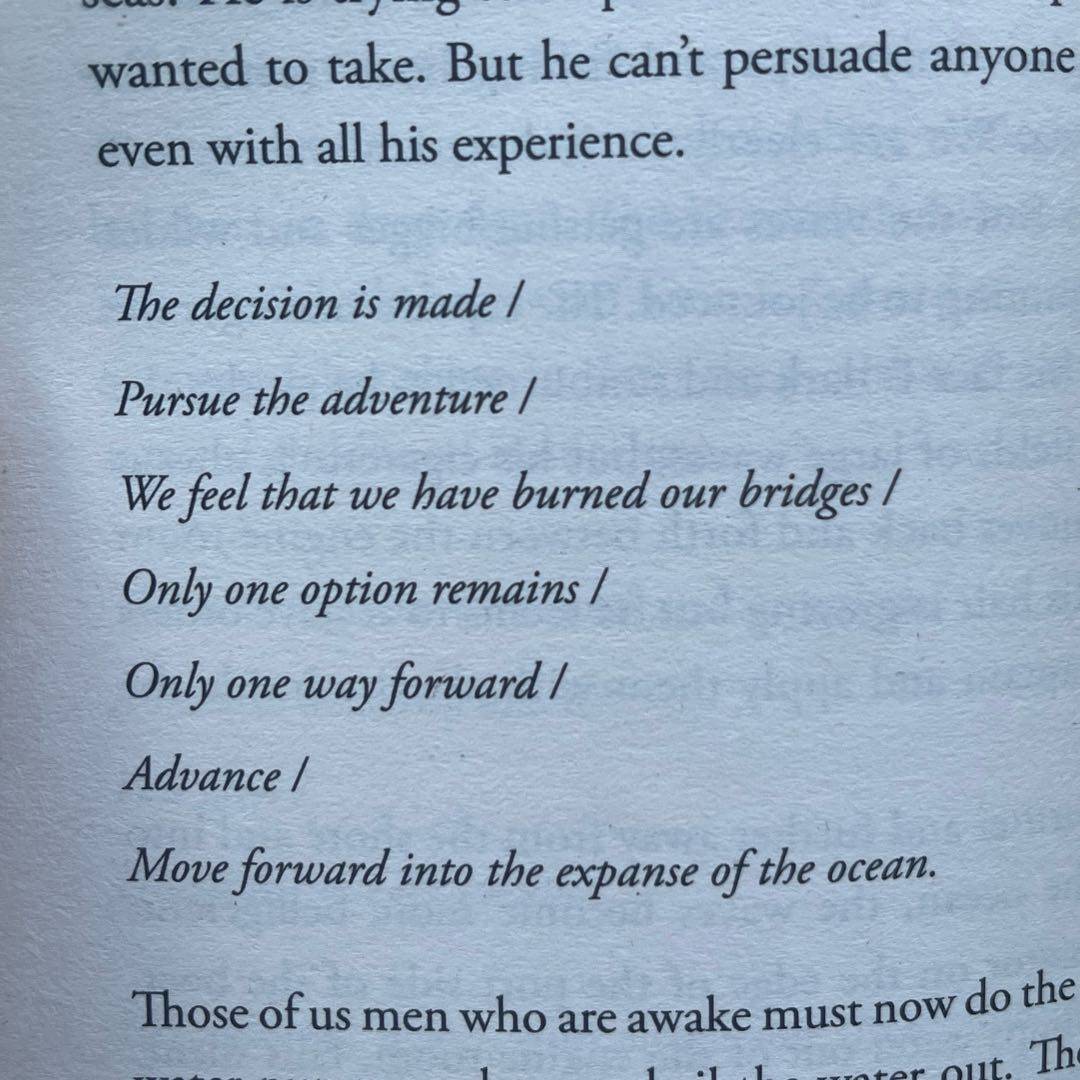
Rather than categorize his writing as refugee narrative or refugee memoir, the book is better situated in other traditions: clandestine philosophical literature, prison narratives, philosophical fiction, Australian dissident writing, Iranian political art, decolonial writing, and the Kurdish literary tradition.
—from translator Omid Tofighian‘s notes