

My last DNF of 2025. The story is moving too slow to keep my attention. I gave it over 50 pages, but I don't feel it's going to get any better. #hailthebail

My last DNF of 2025. The story is moving too slow to keep my attention. I gave it over 50 pages, but I don't feel it's going to get any better. #hailthebail

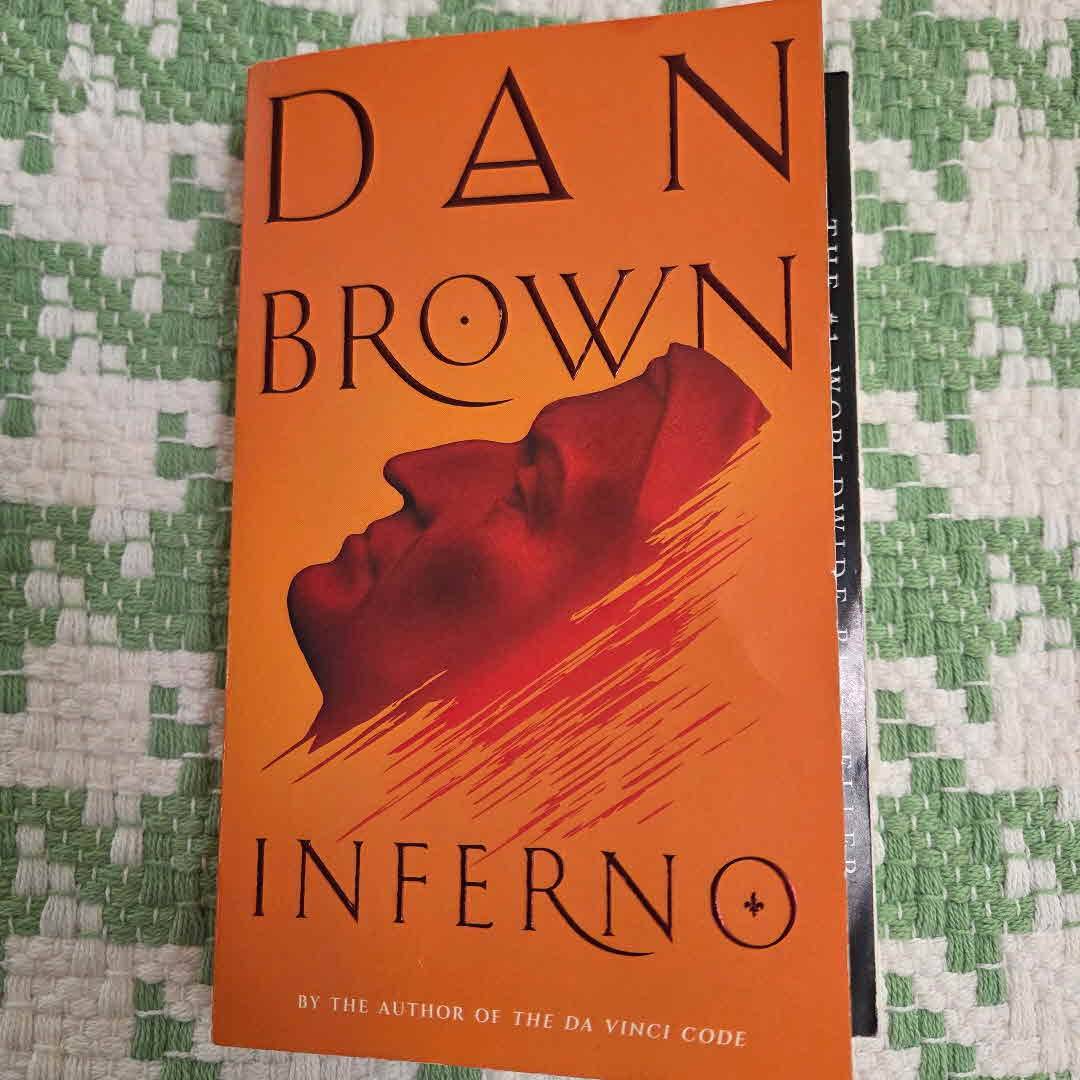
Boring. 😴 I almost DNF several times. This is a stroll through Renaissance art in Florence, Venice and the mixture of art and culture in Istanbul. All disguised as a rather slow chase of Robert Langdon by unknown pursuers. Brown even takes time to mention two ugly sculptures in the Boboli Gardens through which a lengthy portion of the chase ran. I love art and art history but yeah...Plus, a great deal about Dante and his Divine Comedy.
#litsylove

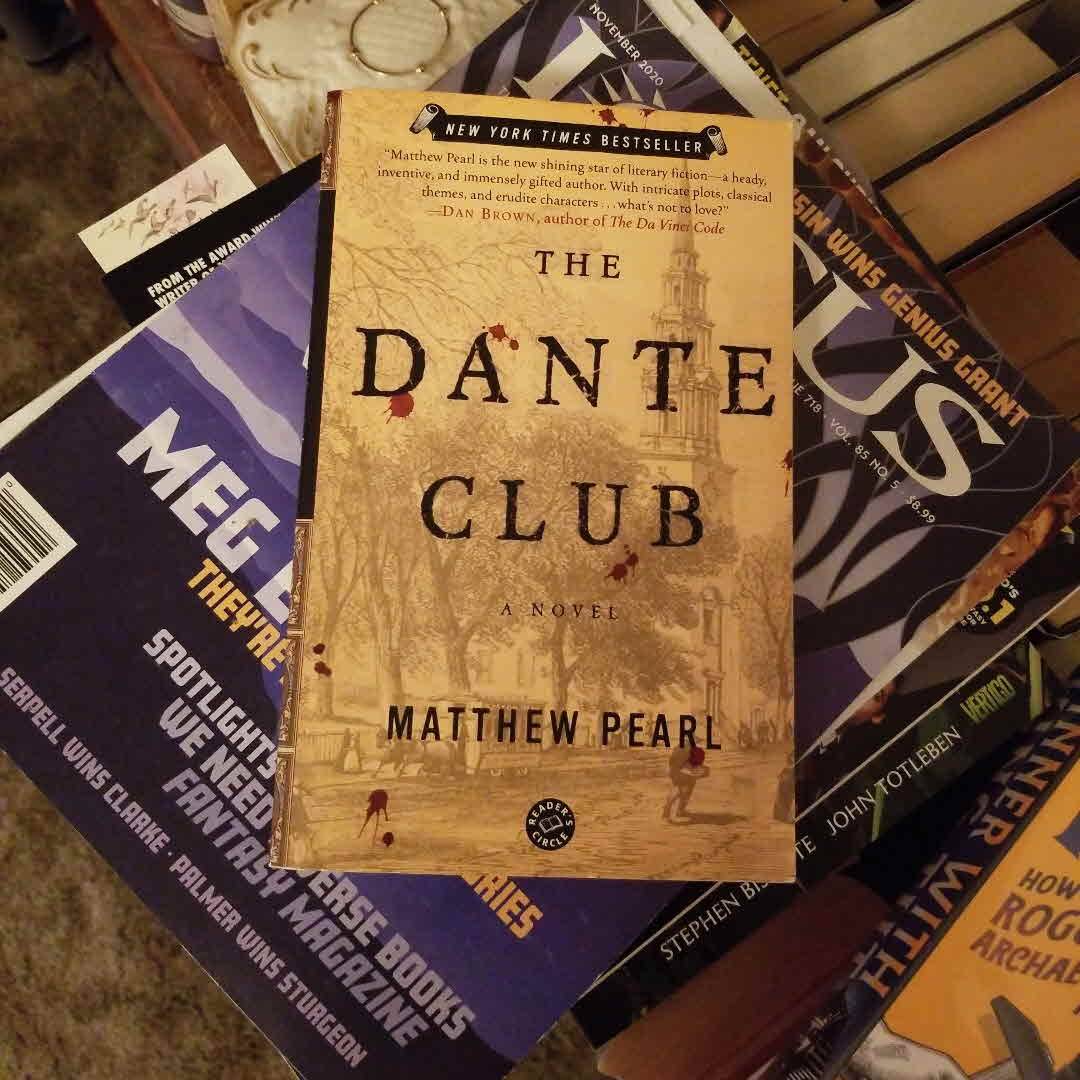
I couldn't finish it. Too many characters to remember. The narration was at times fluid: Dante Alighieri's adventures occasionally stopped for explanations, descriptions of the places, the landscapes that surrounded him, the customs and traditions. After that the story returned to Dante Alighieri and I was so lost with all those useless explanations, that every time I had to go back several pages to understand where I had left off.

Ready for book club tomorrow! It‘s a funny group, so I‘m looking forward to their takes on Dante & the filth, stench, and all around beastliness of his hellish creation.
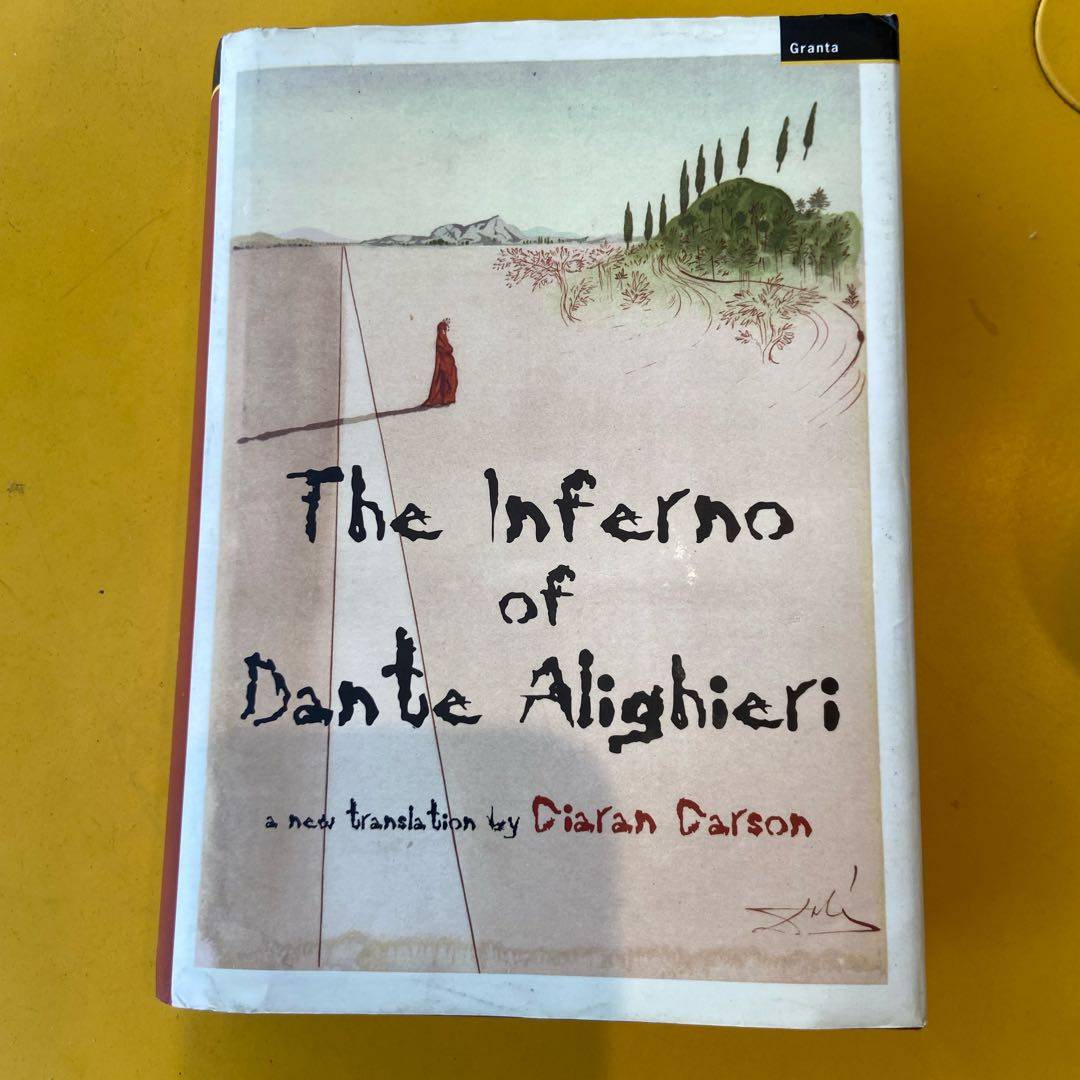
I‘m glad I read it. Did I enjoy it? Parts were creative and engaging, others read like a contemporary political revenge rag for which I have no context. Very thankful to Ciardi & his notes.
It‘s a bit like a collection of short stories, some Cantos are a hit and others a miss.

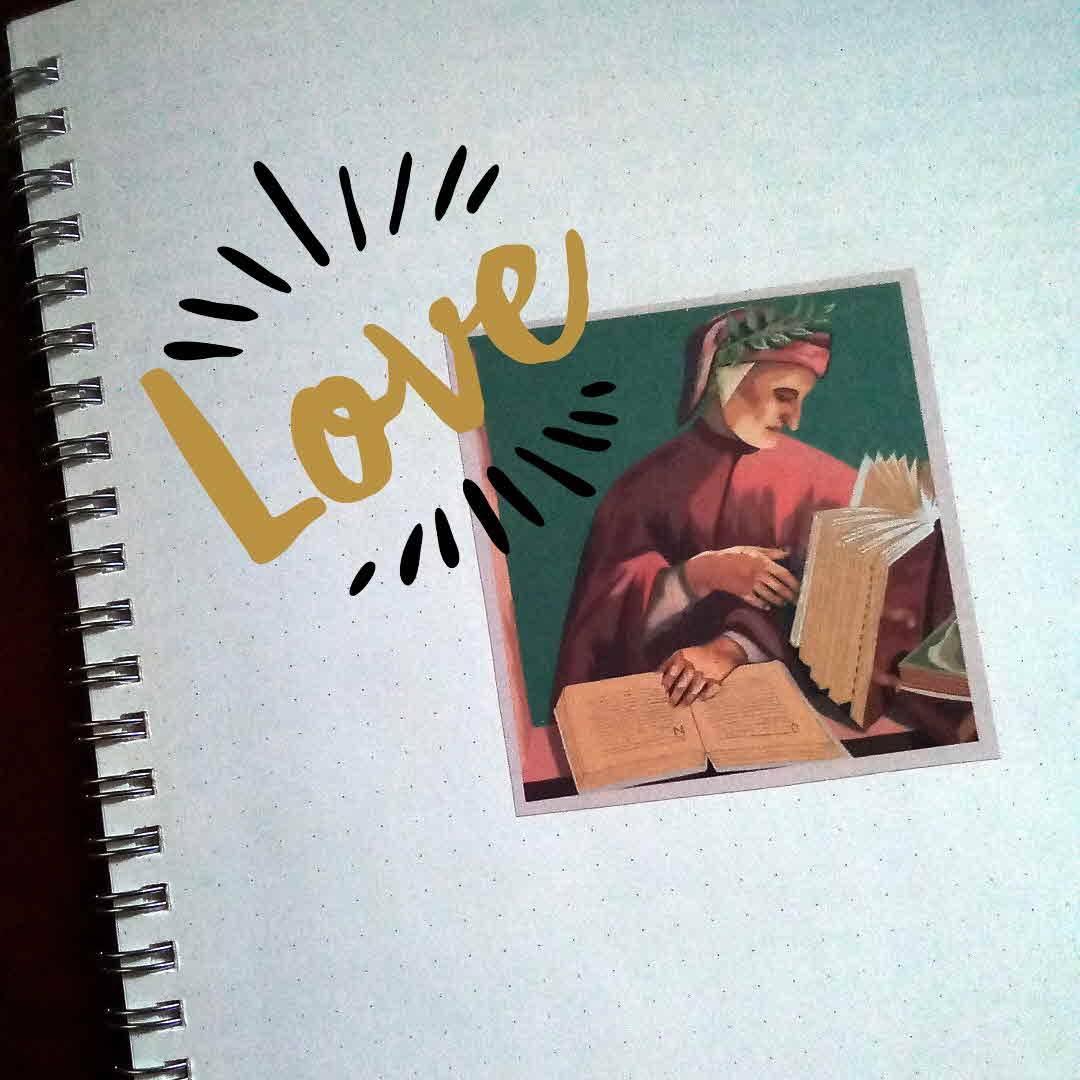
(Photo is my journal, with one of the fabulous Dante stickers my daughter made for me. ❤️)
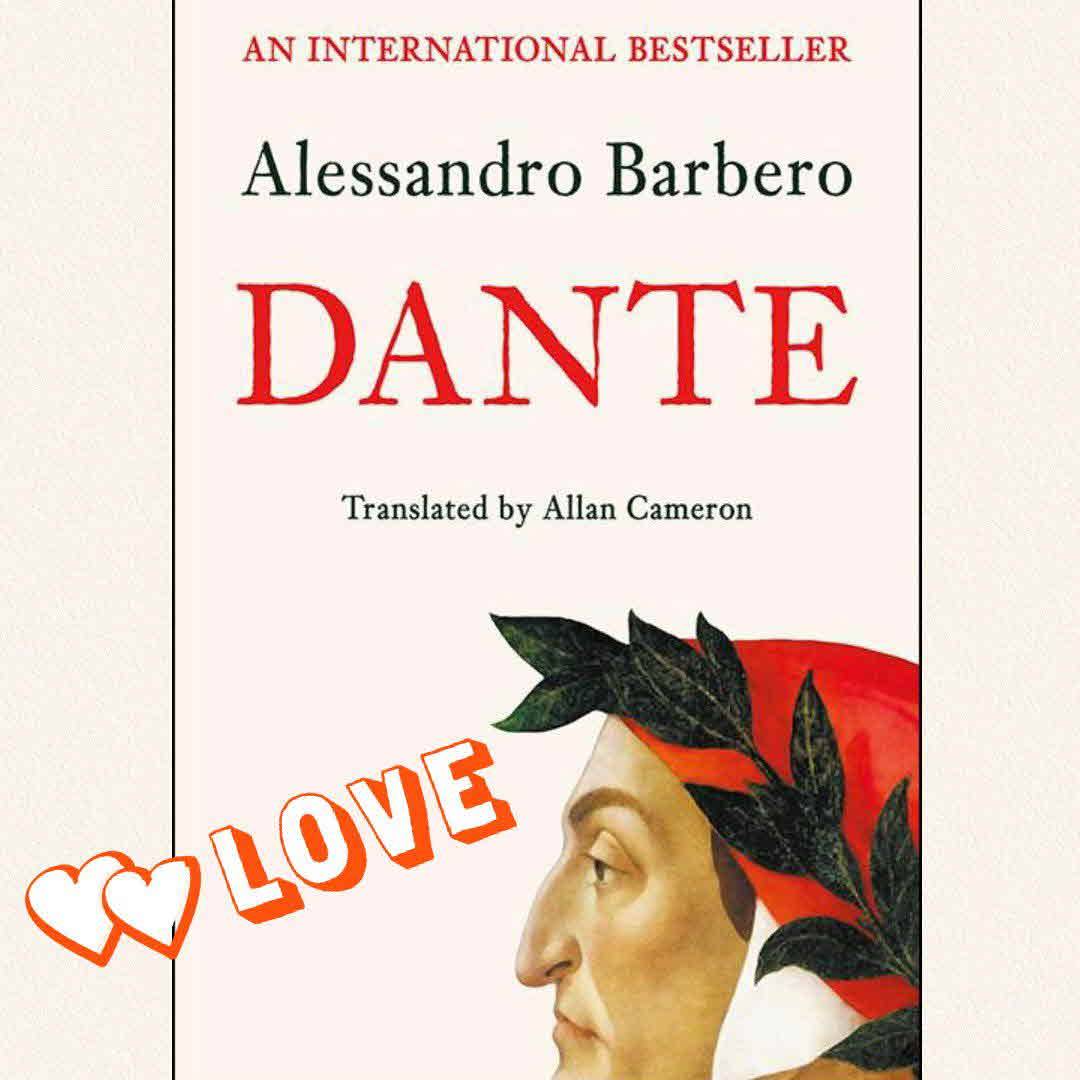
I enjoyed this meticulous book's painstaking sifting of all the extant sources for the facts of Dante's life. Look elsewhere for discussion of his works: this is strictly biographically-focused. Personally, I appreciated being given some context for the creation of his extraordinary Divine Comedy. (Turns out he didn't beam down from outer space/Paradiso! 😄)

Next IRL book club pick 🔥😈
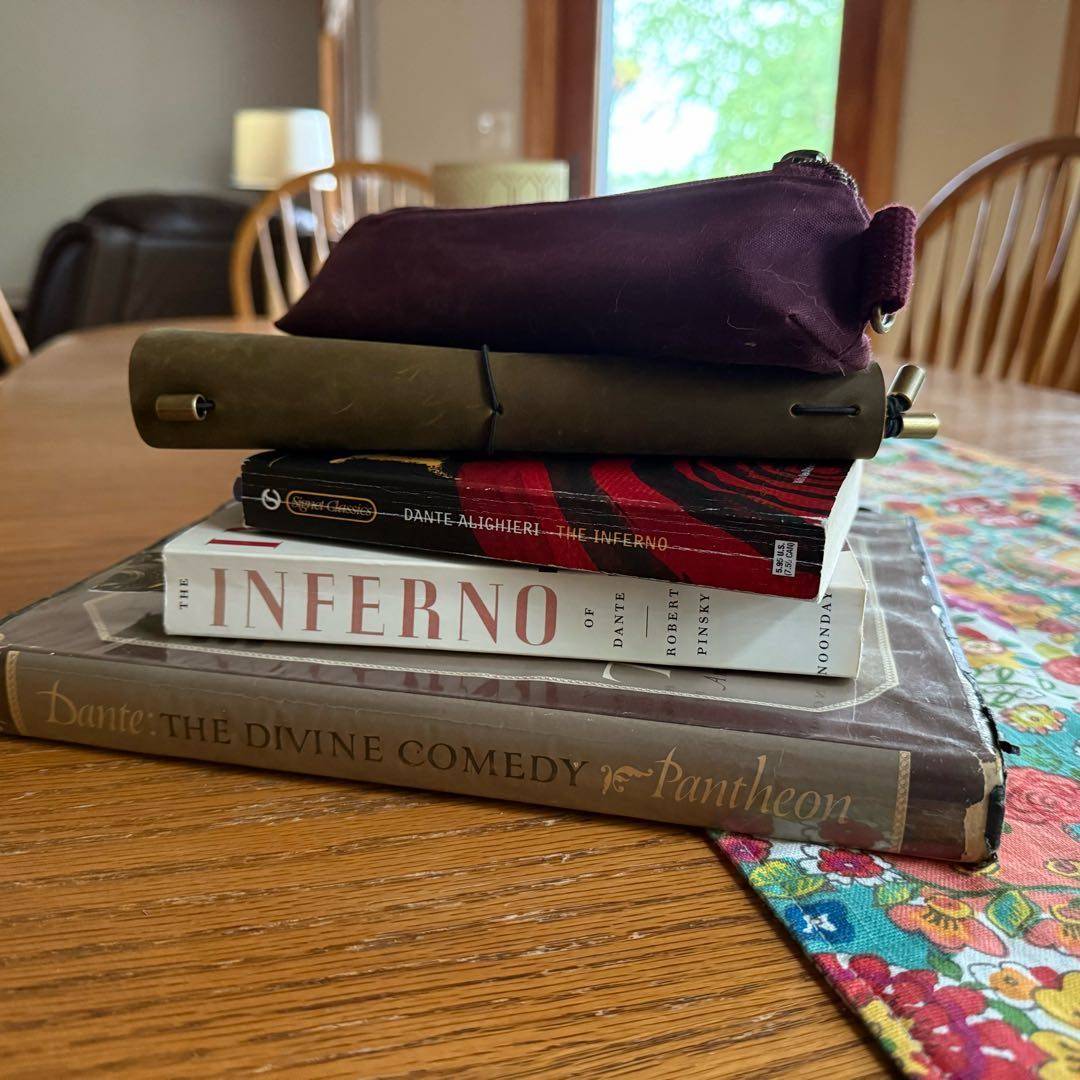
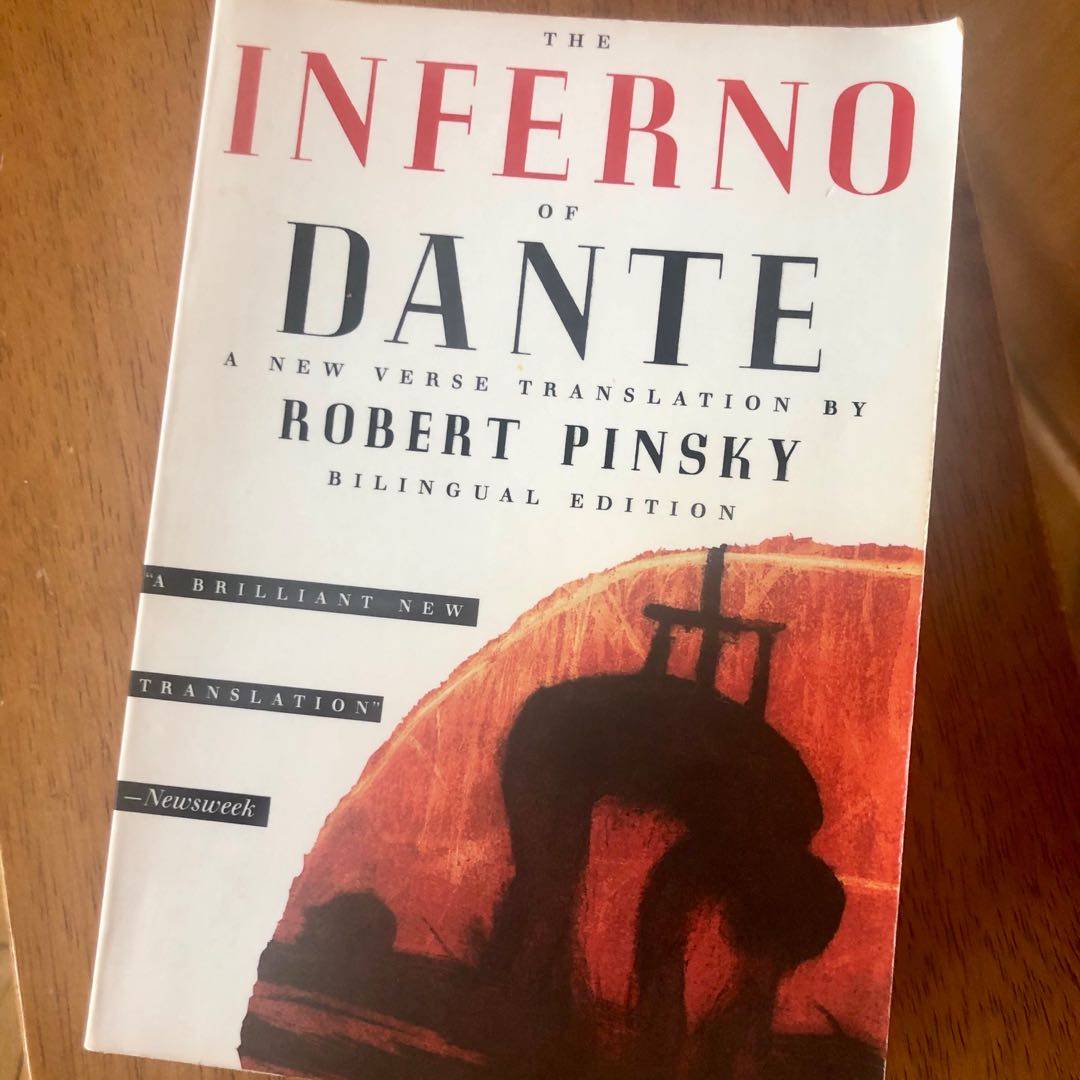
We have three translations in the house, but I‘m going with Pinsky since he‘s a poet. 🤞🏾

Oh hello, Dante; is that you again?
Apparently this is how Venus retrograde is manifesting in my life, courtesy of BorrowBox. 😄

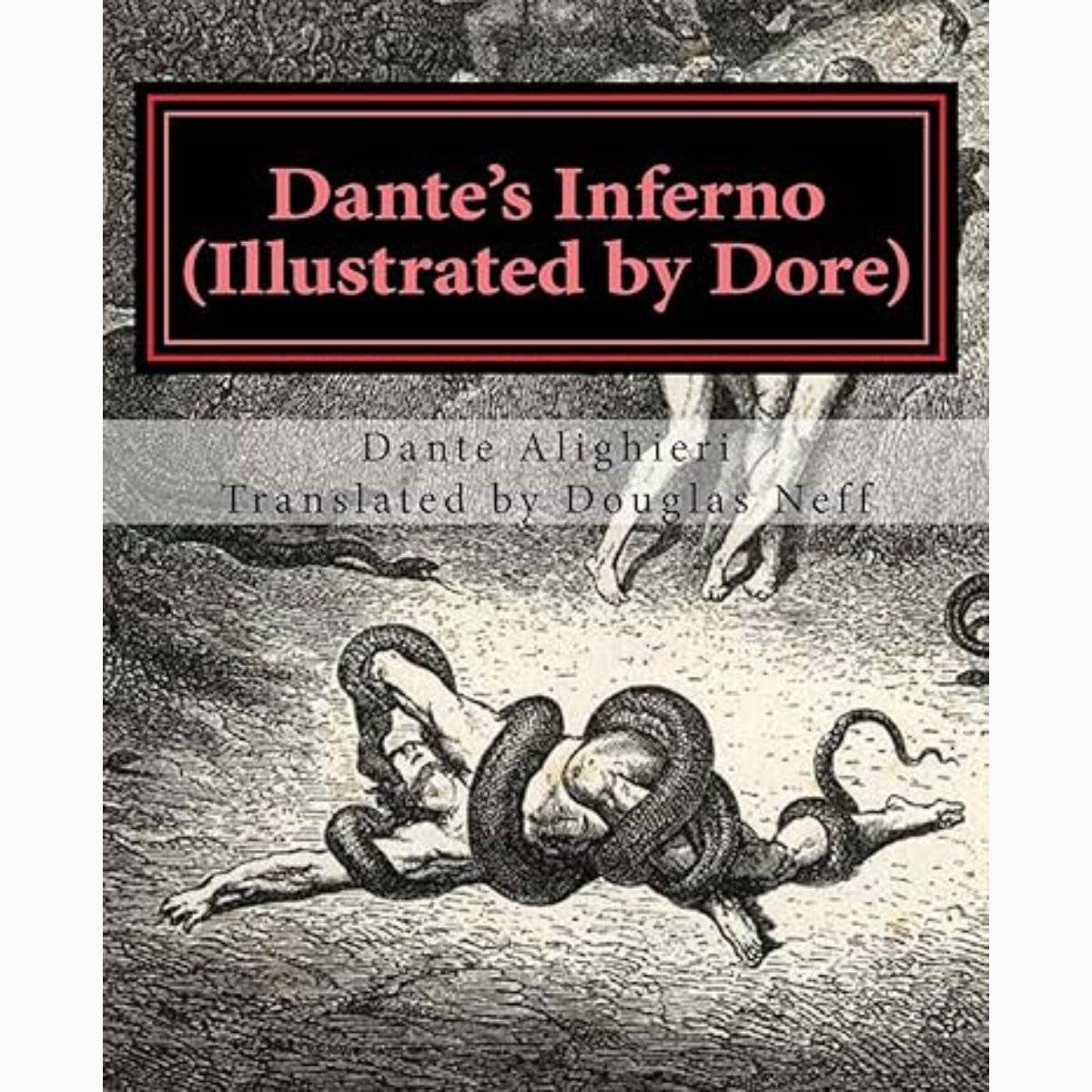
Dante Alighieri wrote The Divine Comedy in the early fourteenth century after being on the wrong side of a political argument and being exiled from Florence by Pope Boniface VIII. It is an epic poem which is divided into three parts that are: Inferno, Purgatory, and Paradise. In the first section, Inferno, the reader follows the protagonist, Dante, as Alighieri imagines what it would be like if he were forced to travel the circles of hell.

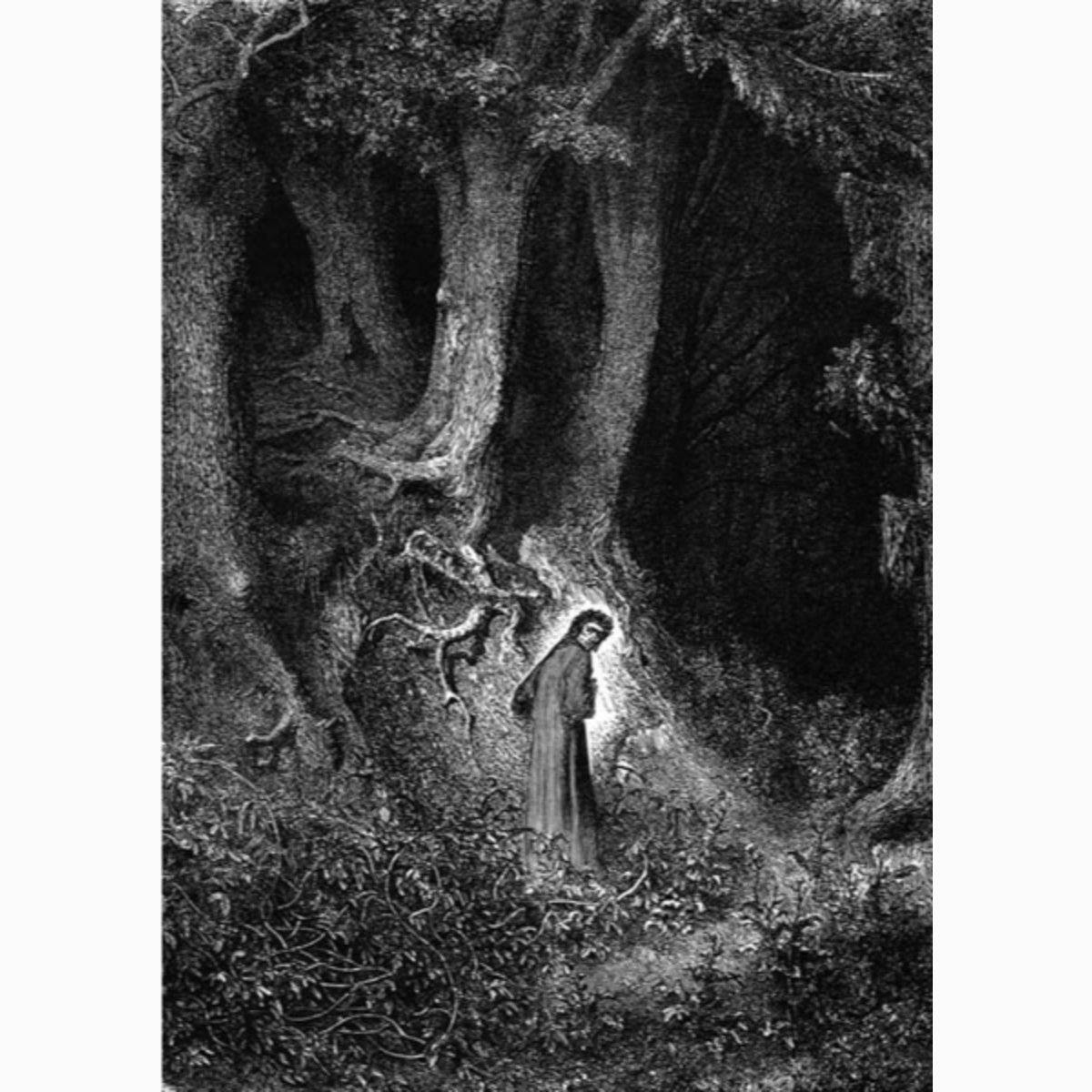
Alighieri‘s Inferno is an intricate commentary on the innate tendency to sin, the consequences and human emotions that follow, and man's search for redemption through God. Written in the first person perspective, characterized by the use of I, we, and our, this epic provides insight into how a man would act if thrust into hell and includes Dante‘s thoughts and observations.