


Home Feed
Home
Search
Search
Add Review, Blurb, Quote
Add
Activity
Activity
Profile
Profile
#genetics
blurb
Lands

Im going to watch Frankenstein on Netflix this weekend. The book is one of my favorites. I very much enjoyed Pans Labyrinth and The Shape of Water.

Here‘s a negative review from a big fan of the book. Who says he changes and leaves out big parts of the story for visuals sake, which is my fear with Del Toro.

https://youtu.be/M75fAaKvHng?si=iUCxt47pw1NUmQMC

TieDyeDude With a story so ubiquitous in pop culture, I think it only makes sense to put your own spin on it. Otherwise, what is going to distinguish it from the countless other iterations? I've never read the book, but this version actually made me want to read it more than any other I've seen. I'll be interested in hearing what you think 🙂 3w
Lands @TieDyeDude That‘s why I‘m watching it. The problem for me is when it becomes about the horror and not the psychology of the story. If you break the backbone of a plot why even call it the same story. 3w
TieDyeDude Gotcha. I definitely would not say that del Toro sacrificed story for horror. I hope you enjoy it. 3w
28 likes3 comments
review
shanaqui
Panpan

This book means very well, but a) it actually explains things very badly, despite trying very hard, and b) fails to make a good case for taking DNA into account in trying to create a more equal society.

blurb
shanaqui

I am completely glazing over with this book. We're 100 pages in, and she's overcomplicatedly explained genome-wide association studies via an analogy that takes more time to lay out than it does to just explain GWAS on its own terms, and otherwise she's mostly just said: intelligence is influenced by genetics, the differences between individuals can be large, the differences between ancestral groups are likely not due to variations in the same...

shanaqui ...genes, so we shouldn't compare ancestral groups to one another, “race“ =/= ancestry, and that she's going to show that we should use all this understanding to help people who don't have genes for educational attainment reach the same standards.

We could've got to this point faster.

I've also endured reading a review of this book which drips racism from every pore, and I feel dirty.
4w
shanaqui Oh, it's also super US-centric. 4w
Faranae When I looked it up on Wikipedia, the negative reviews from scholars were basically all like “the road to hell is paved with good intentions“ about it. 4w
shanaqui @Faranae That sounds about right. 4w
SamAnne Well, ick. Double ick.. and sorry. 4w
11 likes5 comments
blurb
shanaqui

This one is gonna have to be a slow read for me, because I can feel myself glazing over at times, but I do really want to read it.

To be clear: the author fully believes that intelligence is a heritable trait (along with perhaps other stuff related to success), and that we should take it into account in order to make society equitable (NOT that some people are more deserving than others as a result).

review
Graywacke
post image
Pickpick

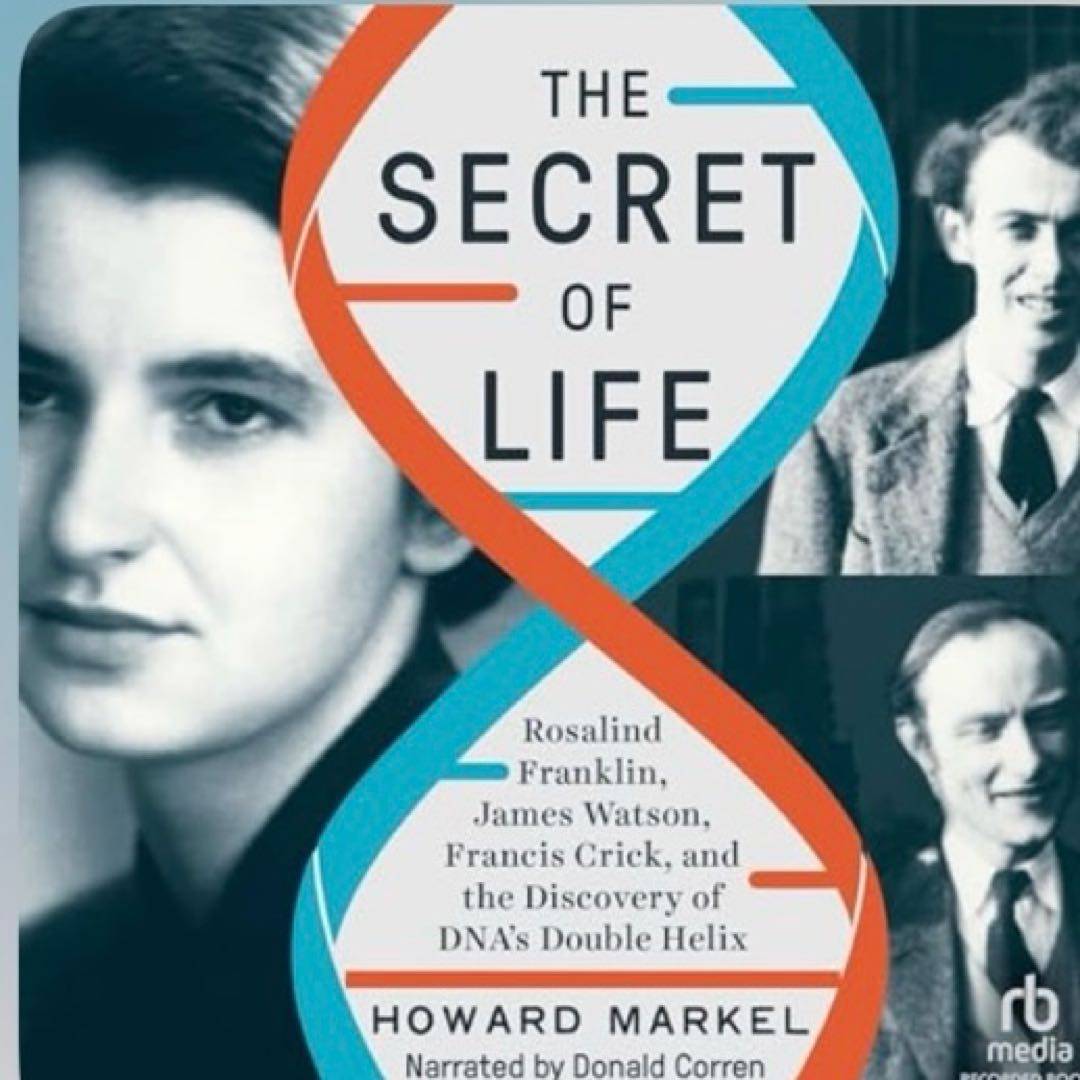
A terrific look into the personalities around the discovery of the structure of DNA in 1953. James Watson, Francis Crick, and Maurice Wilkins split a Nobel Prize in 1962. Rosalind Franklin, whose famous stolen x-ray photograph 51 provided a critical key, had died of ovarian cancer. But she was hardly mentioned. She was written out of the story. Later, Watson villainized her. This book attempts to correct the story.

IMASLOWREADER another book about this was thw double helix 2mo
Graywacke @IMASLOWREADER this one is a correction to Watson‘s take - The Double Helix. (Markel characterizes Watson‘s book as essentially a novel, because so much is inaccurate) 2mo
IMASLOWREADER double helix was the one i remember…it was an assigned reading for extra credit in highschool lol 2mo
50 likes1 stack add3 comments
blurb
Graywacke
post image

Trying a new audiobook, currently free on audible.

review
Chelsea.Poole
post image
Pickpick

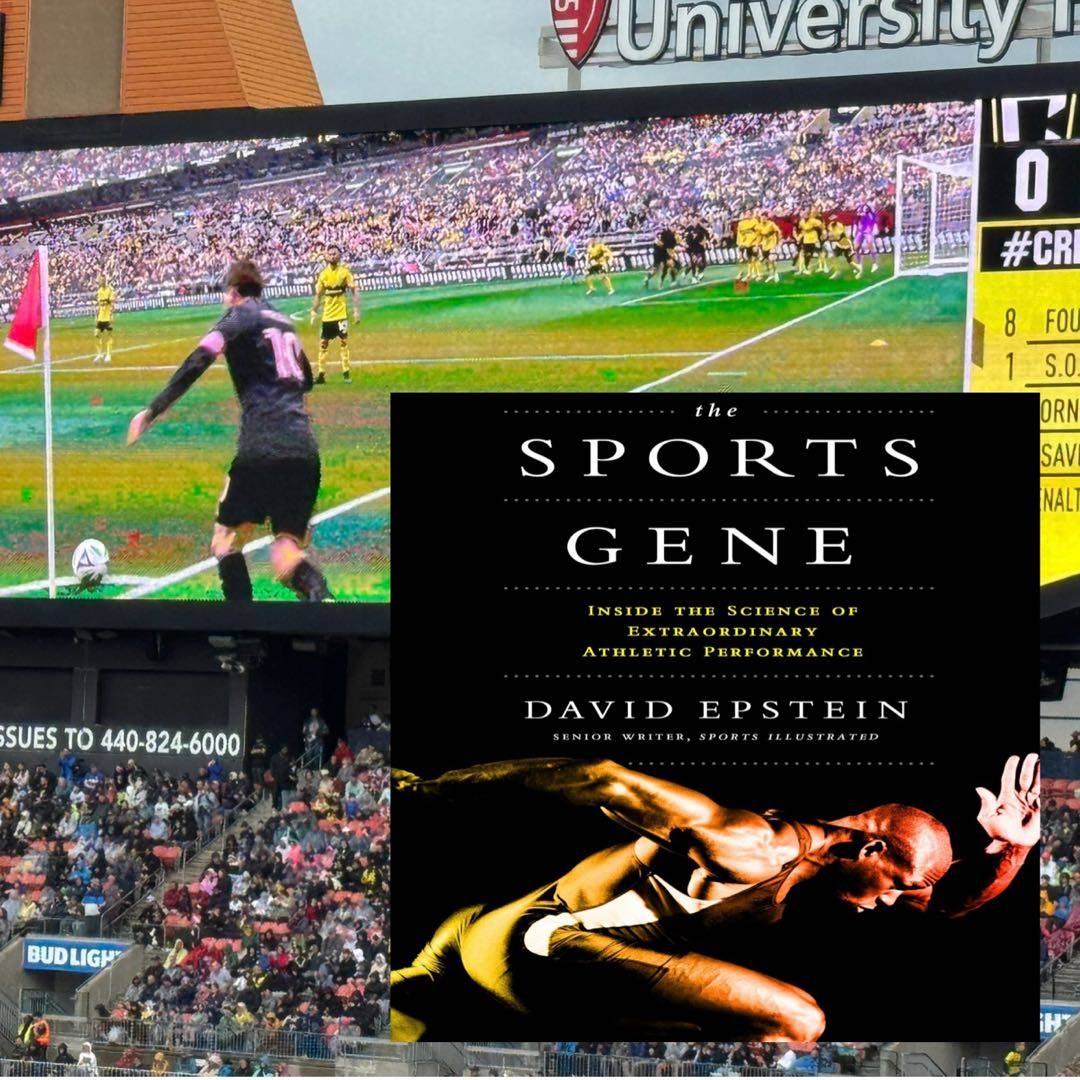
Once again, the old me wouldn‘t recognize the me posting about how much I enjoyed this book about elite athletes and how genes play a huge part in success in sports. It is truly my kids who have opened up this world to me—I used to hate sports. My sporty boys have ignited an interest in me and there‘s some fascinating stories in the sports world. This book covers various sports and the body types best suited for that particular activity. ⬇️

Chelsea.Poole Like long torsos are best for swimming, how does Kenya produce so many long distance runners?, and more. Pictured with a shot of Messi at a game we attended in April! 6mo
ncsufoxes It‘s especially true in soccer, like that awareness, soccer IQ. It‘s really hard to teach. Messi has it, he can kick the ball & know that is where his teammate will be to keep the play moving down the field. Plus being a left footed soccer player, also gives players a tremendous advantage My son is left footed & has this great field awareness. Sadly after high school he was done, too much pressure .He‘s finally back to playing rec & having fun. 6mo
Amiable @ncsufoxes My son is a lefty, and he had great success as a varsity wrestler in high school. Because the majority of people are right-handed, they don‘t expect a cross-face that comes at them from the left side! 😀 6mo
See All 6 Comments
Suet624 I adored watching all of my kids play soccer. I have no idea what genes they have that allowed all of them to play elite soccer but I was there for all of it. (edited) 6mo
Chelsea.Poole @ncsufoxes Seems like a perfect combination of natural gifts (physique), mental strength/knowledge of the game, PLUS the drive/determination/passion for the sport are all components. My boys are still young 8 & 10, but they seem to do well—certainly put forth the effort. We will see how far they go! Lefties are always a plus! @amiable —my husband is and he used it for his advantage in baseball and basketball. 6mo
Chelsea.Poole @suet624 my kids definitely didn‘t get their sporty genes from me! But like you, I‘m here for it! 6mo
69 likes6 comments
review
Nicos
post image
Pickpick

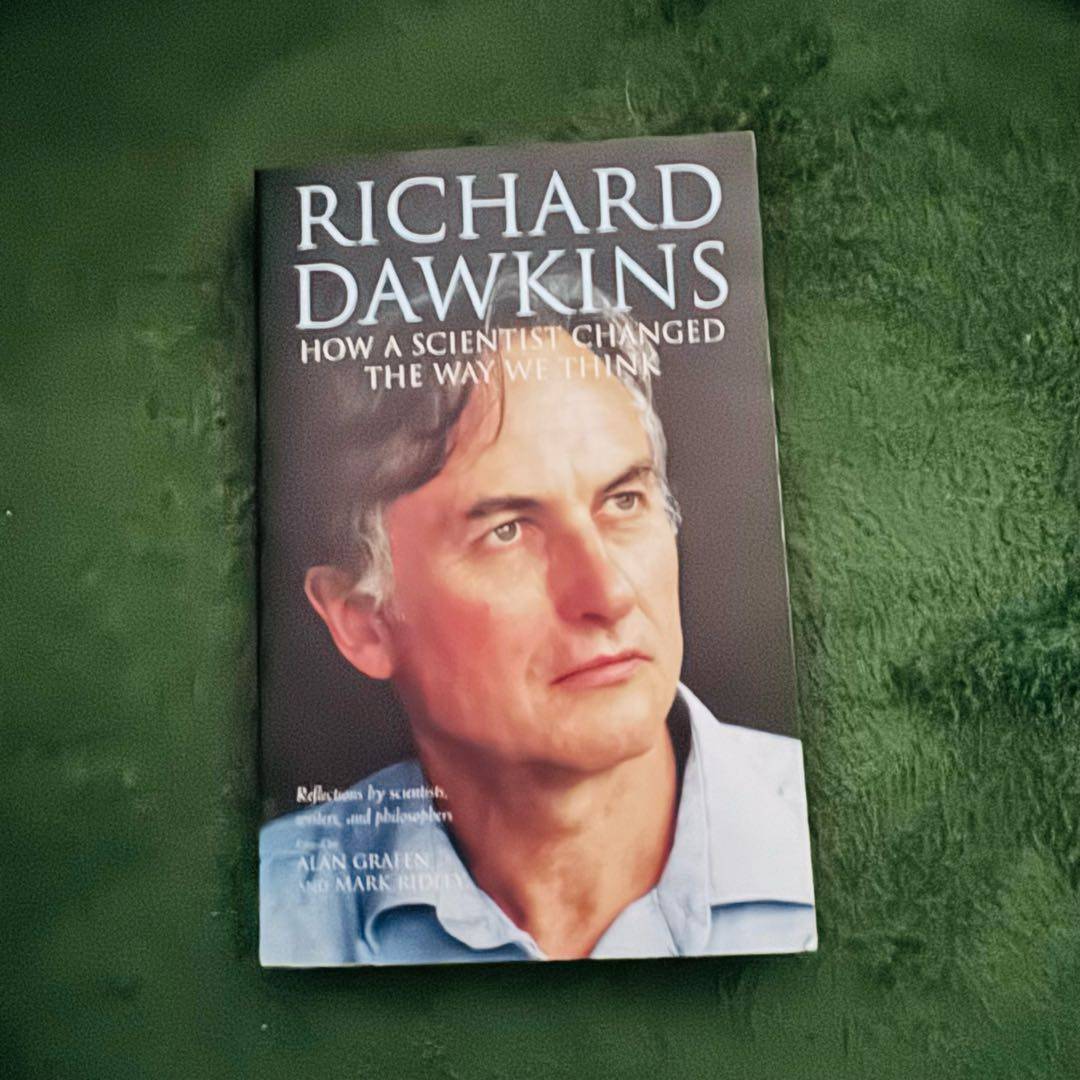
Stella line up of circa 20 writers discussing the impact of Dawkins‘s work. Really good.

review
Gabe.DeCastro
post image
Pickpick

“The Selfish Gene” by Richard Dawkins, discusses and explains the selfishness of genes in their goals of survival and repopulation. At the start of the book, Richard Dawkins brings up the theory of the primordial soup — the origin of life, where life forms were first able to rise by feeding on the organic material within the primordial soup. Despite being simple microscopic creatures, competition between them was still very imminent.

Gabe.DeCastro The basic creatures were explained to be different from each other, with some having longer longevity than others, some with faster reproduction speeds, etc. With these differences, these simple lifeforms competed with each other; with the goal of populating and dominating the primordial soup. Billions of years of evolution later, and with the help of drastic environmental changes. 11mo
Gabe.DeCastro The simple lifeforms became much more complex, creating their own survival machines (as described by Richard Dawkins) that help assist them in their goal of survival and reproduction. 11mo
Gabe.DeCastro Later on in the book, Richard Dawkins begins explaining the main topic of the book, the selfishness of genes. The competition between the primordial lifeforms are still very present and is constantly happening, but is much more now much more complex due to increased diversity in the world. 11mo
Gabe.DeCastro Later on in the book, Richard Dawkins argues that behaviours of organisms— such as altruism, cooperation, and competition with other species, are strategies that help creatures survive and pass down the genes they carry. Another thing later brought up were “memes”, the spreading of culture, words, phrases, etc. Richard Dawkins discusses about the similarities between the two and also talks about the differences. 11mo
Gabe.DeCastro The theme of the book is nonfiction science, and is present throughout the story through the theories and explanations of Richard Dawkins. If you enjoy nonfiction science/biology books, then this book is perfect for you. As it provides many theories from many biologists, provides a new perspective on evolution, and gives clear explanations of ideas. 11mo
1 like5 comments
review
Gabe.DeCastro
post image
Pickpick

The book “The Selfish Gene”, created by Richard Dawkins, is an award winning book about the understanding of natural selection and evolution. Richard Dawkins explains and describes how genes could be both selfish and altruistic, while providing basic context behind the information to better help the reader understand. The book is packed with knowledge about evolution and natural selection, even going as far as explaining life from the start.

Gabe.DeCastro The book goes in depth about evolution, genes, relationships, and animals. Richard Dawkins describes animals, plants, and microorganisms to be machines. Machines for genes to ensure for their survival. To ensure the continuity of the gene, the machines (the animal, plant, microorganisms) must be selfish in their own way. This selfishness is thoroughly explained throughout the book while also bringing up how machines could also altruistic. 12mo
Gabe.DeCastro The book is perfect for those who are interested in the thought of evolution and natural selection, as it explains the process and other scientific information that back it up. 12mo
3 likes2 comments