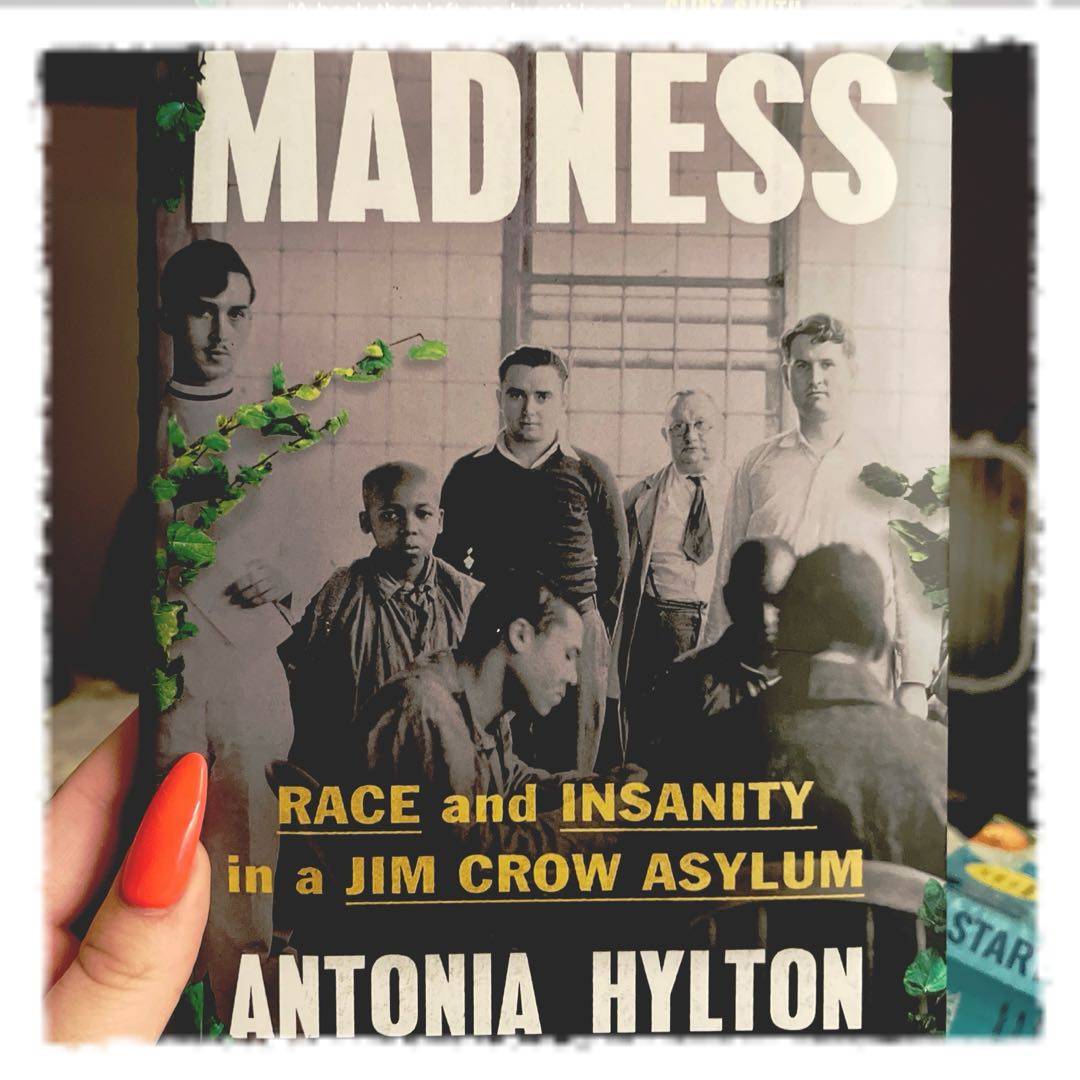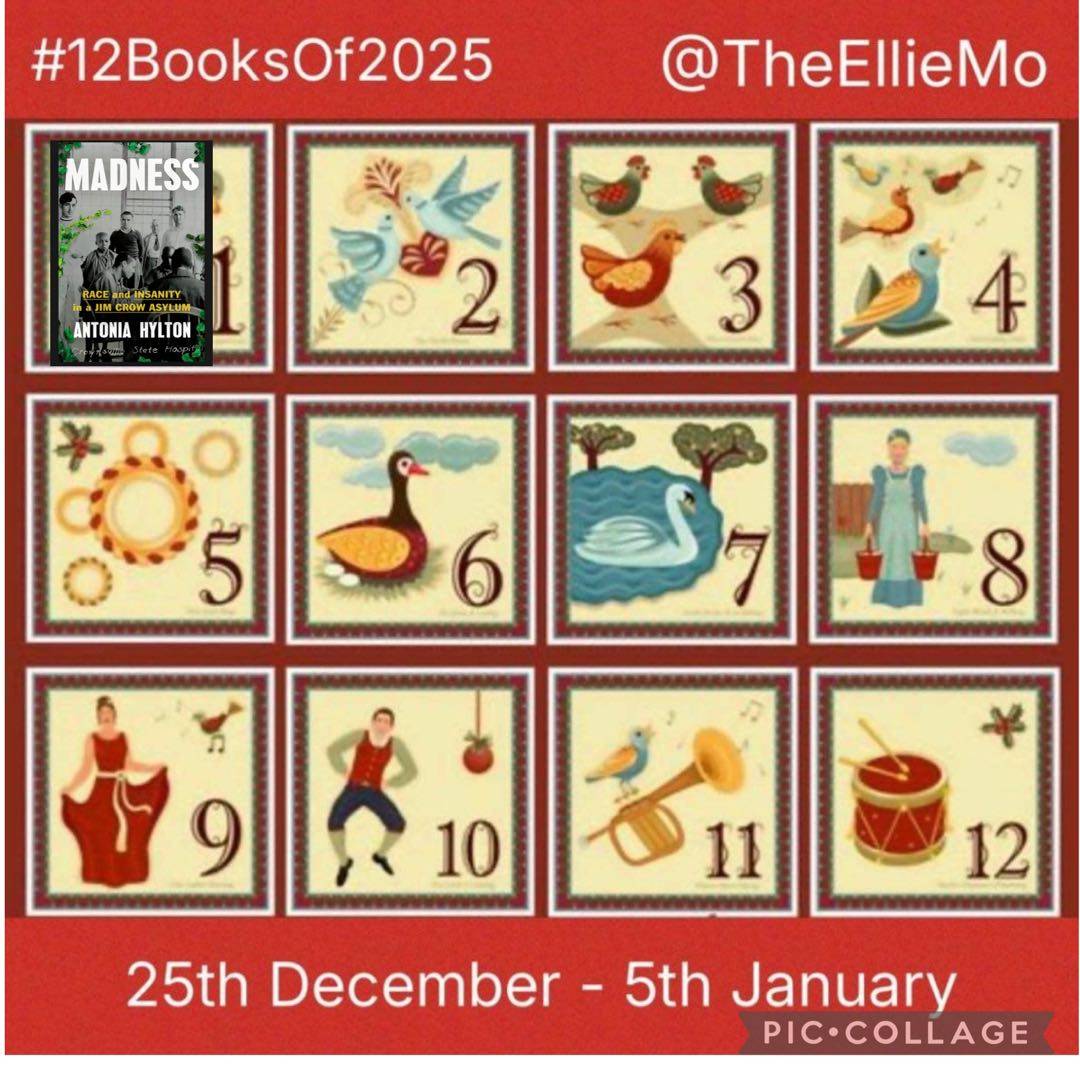
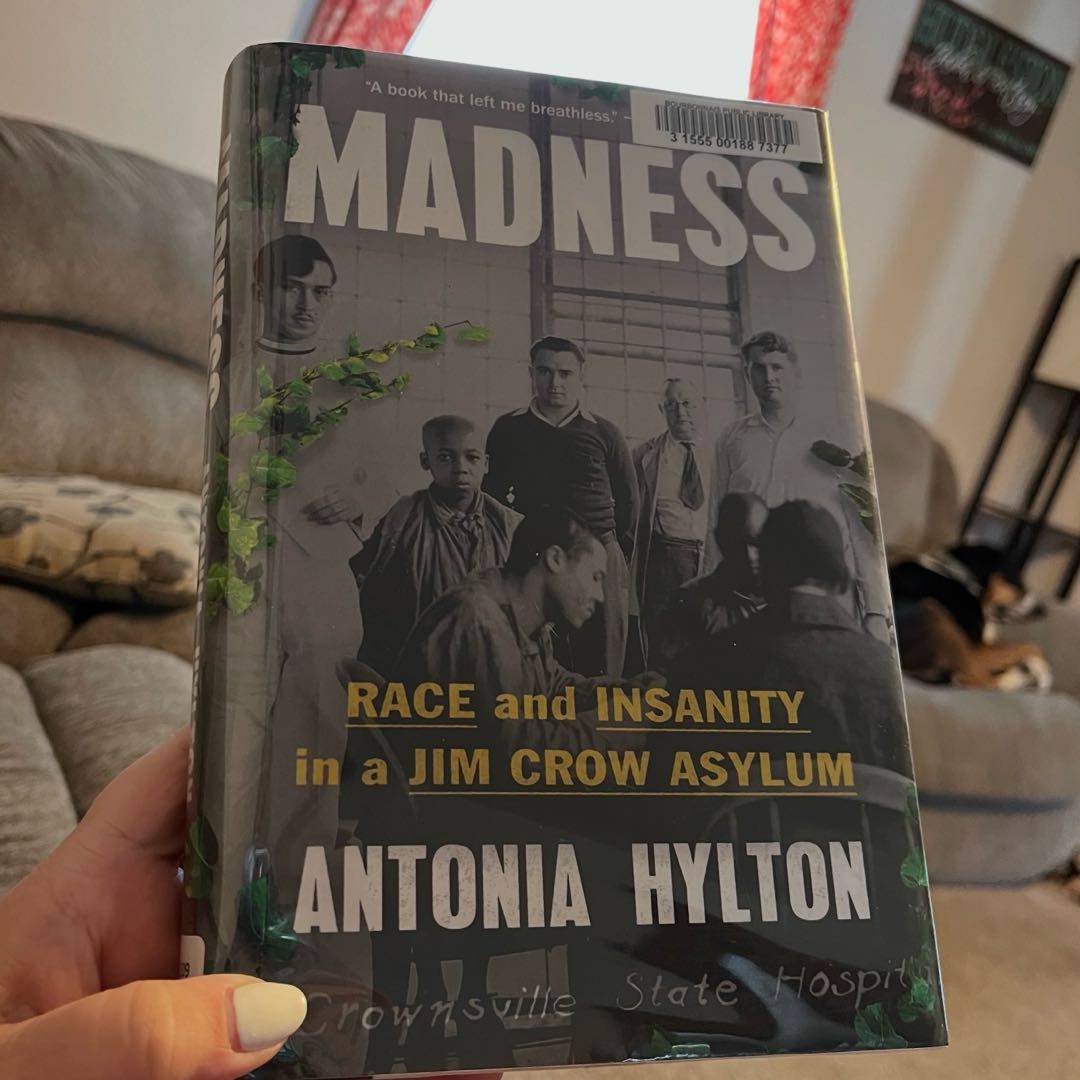
My favorite book of January was the tagged book. It was a really hard choice since I also loved James & Brittney Griner‘s book.
#12booksof2025

TheEllieMo This sounds fascinating! 2w


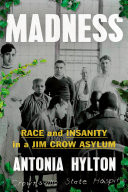
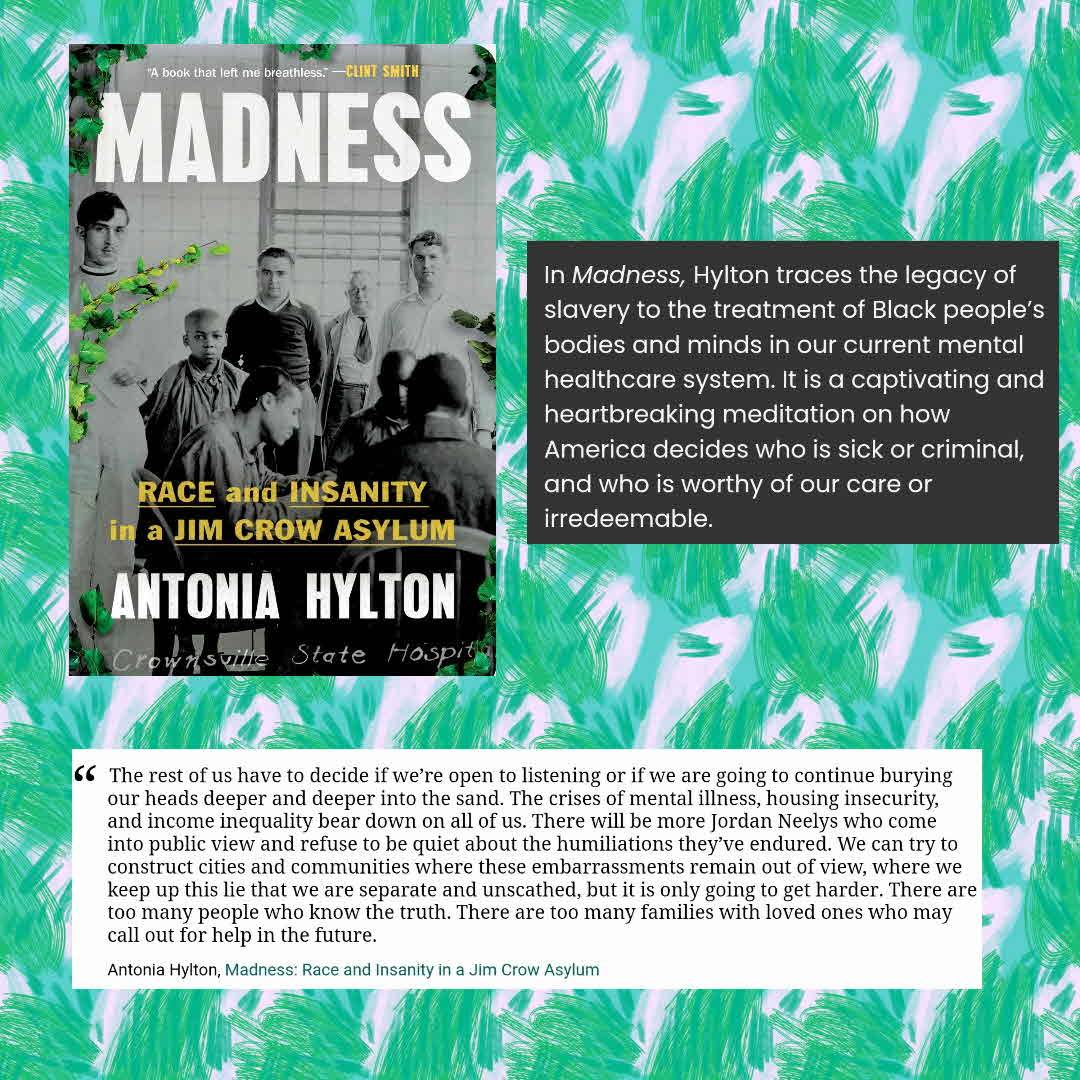
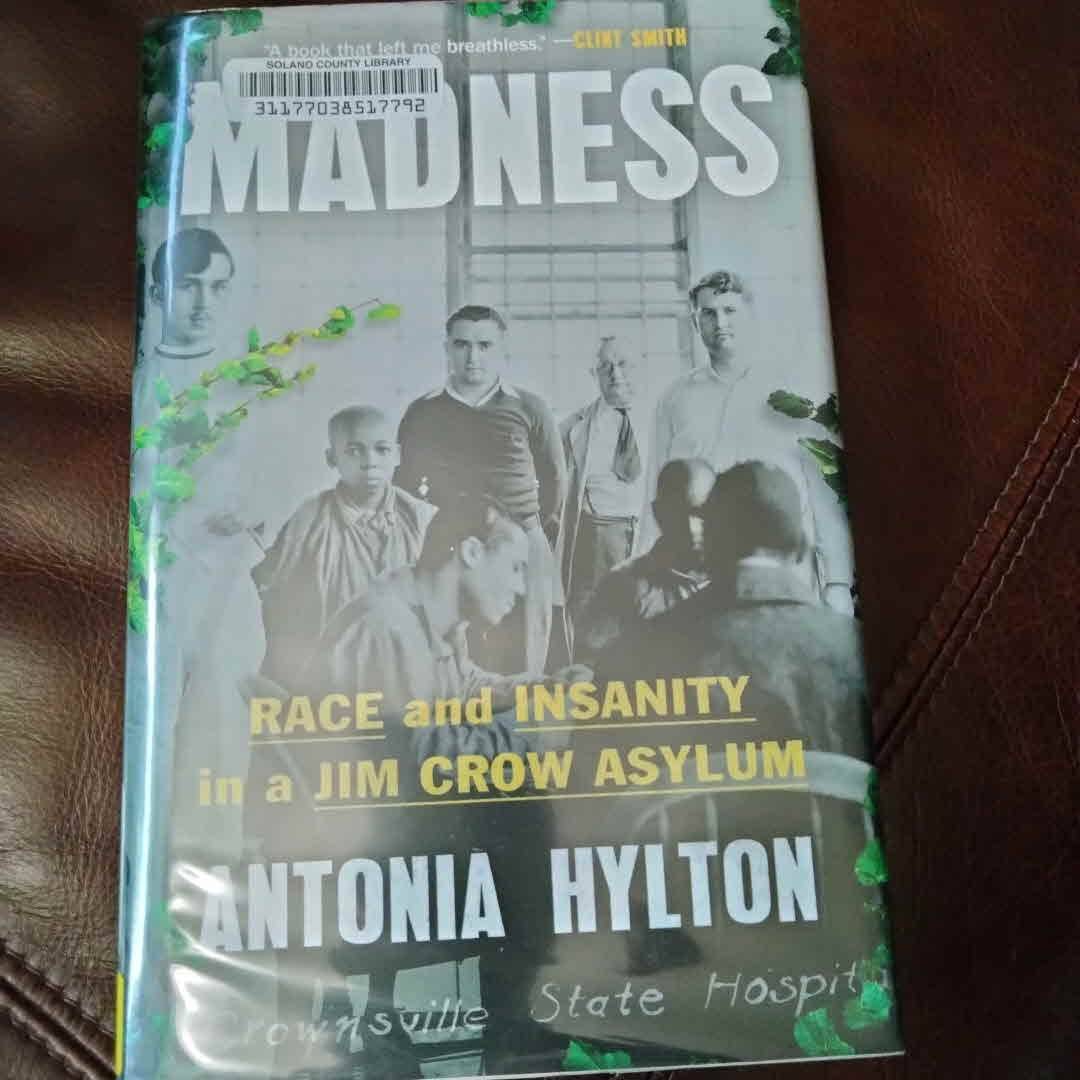
 Madness: Race and Insanity in a Jim Crow Asylum |


My favorite book of January was the tagged book. It was a really hard choice since I also loved James & Brittney Griner‘s book.
#12booksof2025
 pick
pickOverall, this was good work, and if the time period or subject matter is interesting to you, then I think this is a great one to read.
There was not a lot of information about specific patients because so much from the facility was either destroyed or never really kept in the first place, so this was mostly a look at the facility itself and the people who worked there, some of whom are still alive and who Hylton was able to interview herself.
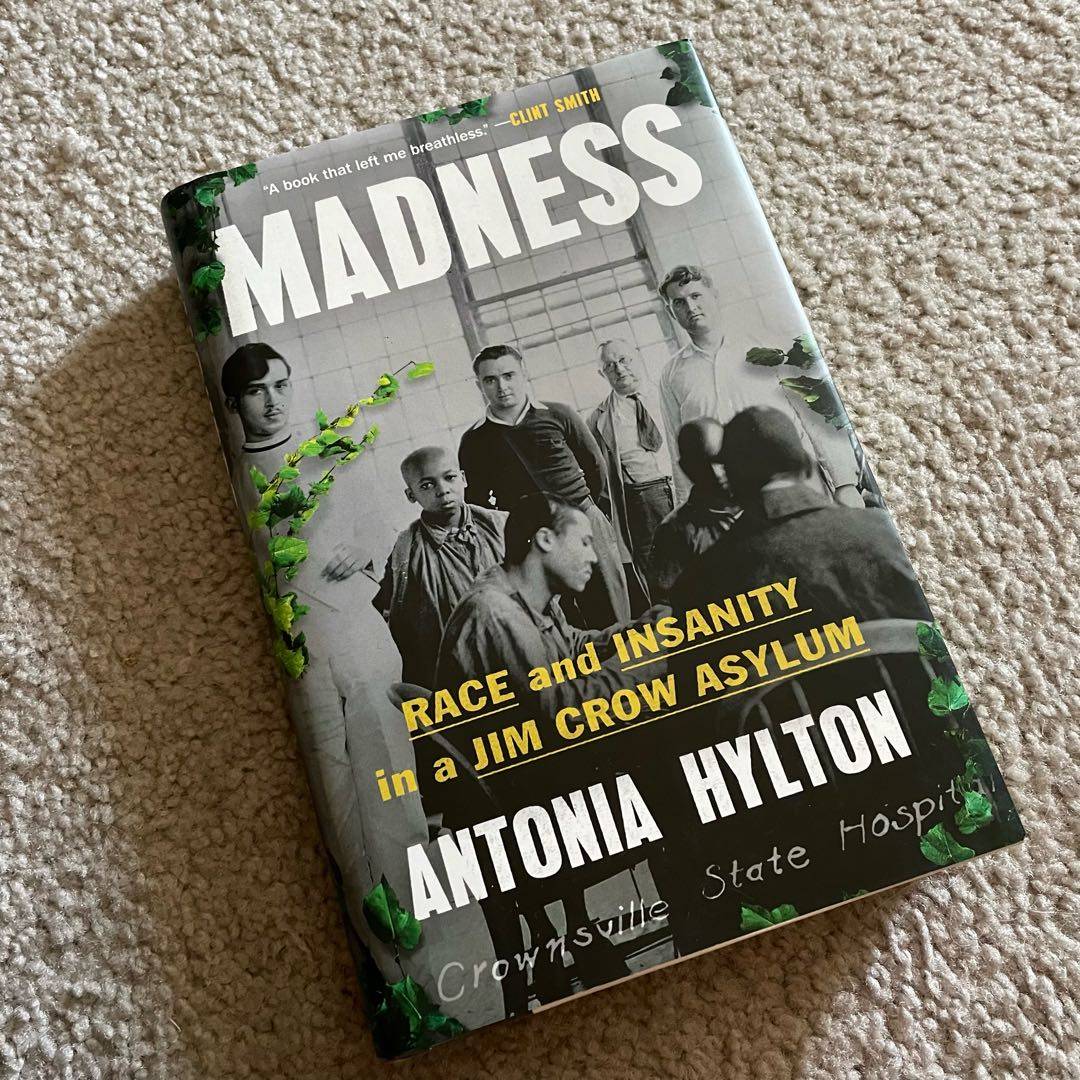
#BlackHistoryMonth This one has been on my radar awhile, fortunately I found a used copy in a store where I had some trade credits (Yay) Antonia Hylton has the right background to write this unique study,a Harvard grad that often writes about race,mass incarceration, and psychiatry.
 pick
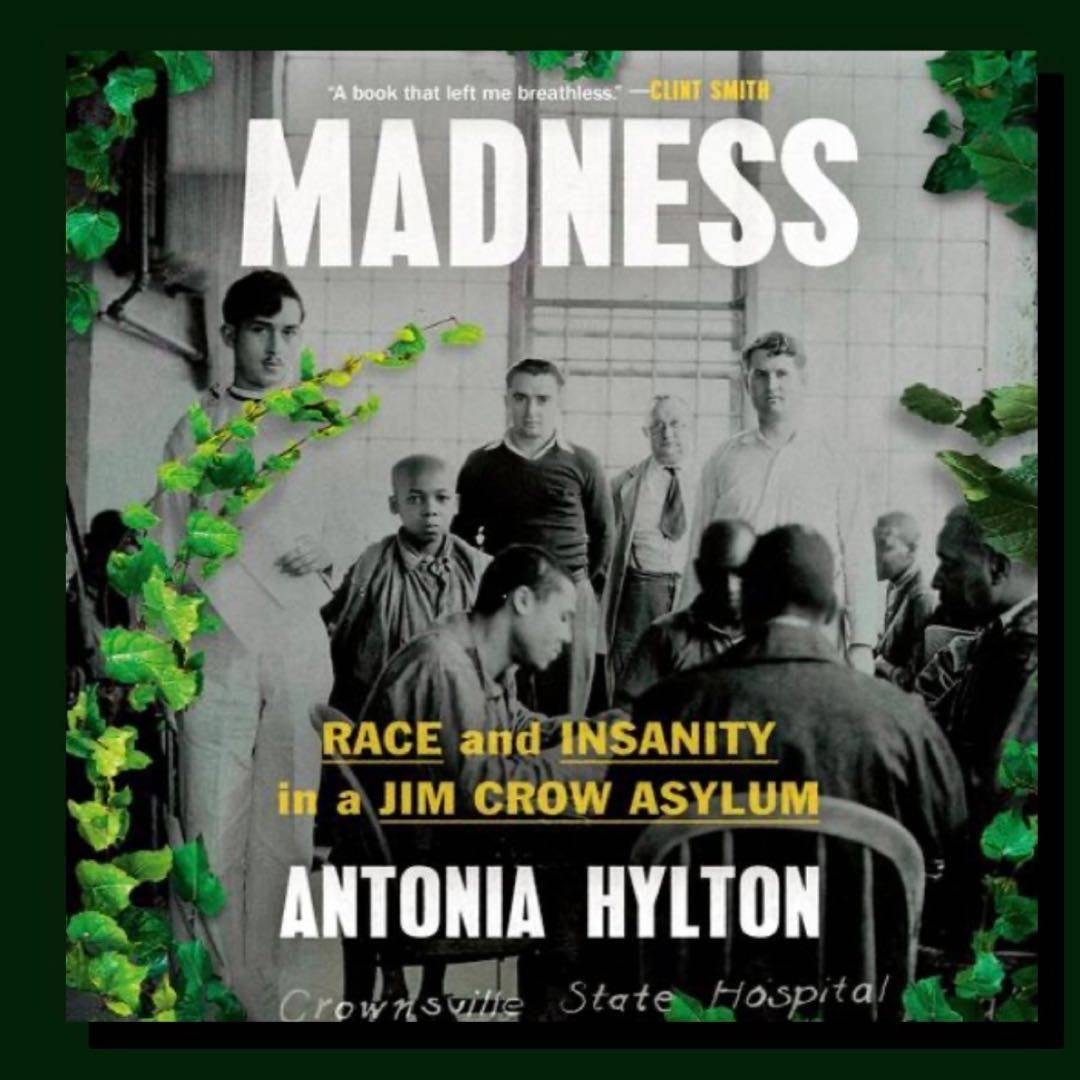
pickMadness looks at the disparities of mental health care for black vs white people, focusing particularly on a Maryland asylum. It relies on individual accounts, fleshed out with stories gleaned from other sources. I have some quibbles, but overall it‘s a really powerful book highlighting a devastating inequality.
 pick
pickThis is one of those types of books where you pause and think: “Huh, I never considered what mental health looked like for Black communities.” (I was gonna add ‘at the peak of racism‘, but…) Which makes this book vitally important. It just opens up a new chapter in one‘s understanding of the world, & racism, & camaraderie.
I‘ve never been to Maryland & I know there is TONS of history there, but if I ever do go, Crownsville will be a stop.
 pick
pickAnother important book in the understanding of mental health & racism‘s history in the US. The book is based on the Crownsville State Hospital in MD. Racism still continues to have a big impact on medical & mental health for many people in the US. There continues to be a shortage of psychiatrists & psychologists in the US in general. There are even fewer Black therapists, which continues to make mental health disproportionate for many.
 pick
pickThis book was amazing. And I read it after returning from MD so reading icky things about their history made my head explode a tiny bit. I picked this for my IRL book club NF reads (not a democracy) based on feedback from @TheBookHippie and she was right about how great this book is. Highly recommend.
#BookSpinBingo @TheAromaofBooks
 pick
pickMadness was my last novel of 2024. It took me a few months of on and off reading to get through it because of its sheer density and the difficulty of its subject matter. The history of mental illness and asylums is horrifying to begin with, and when segregation and racism are added into the mix, that horror is only compounded. It was an edifying read, though, and I'm glad to have read it for the greater context and understanding I have now.
Anyone else trying to finish a few last books before the New Year? I'm determined to get through the tagged book, which I've been working on for several months. It's a hard read, both in subject matter and density. (I had to take a break after reading about forcibly electroshock and lobotomies today.) Still, it's the kind of information that is important to have a record of, and I'm grateful for Hylton's work to preserve it. #WeekendReads
I just finished A Dowry of Blood this morning but these are my #WeekendReads
pickterrifyingly fascinating
 pick
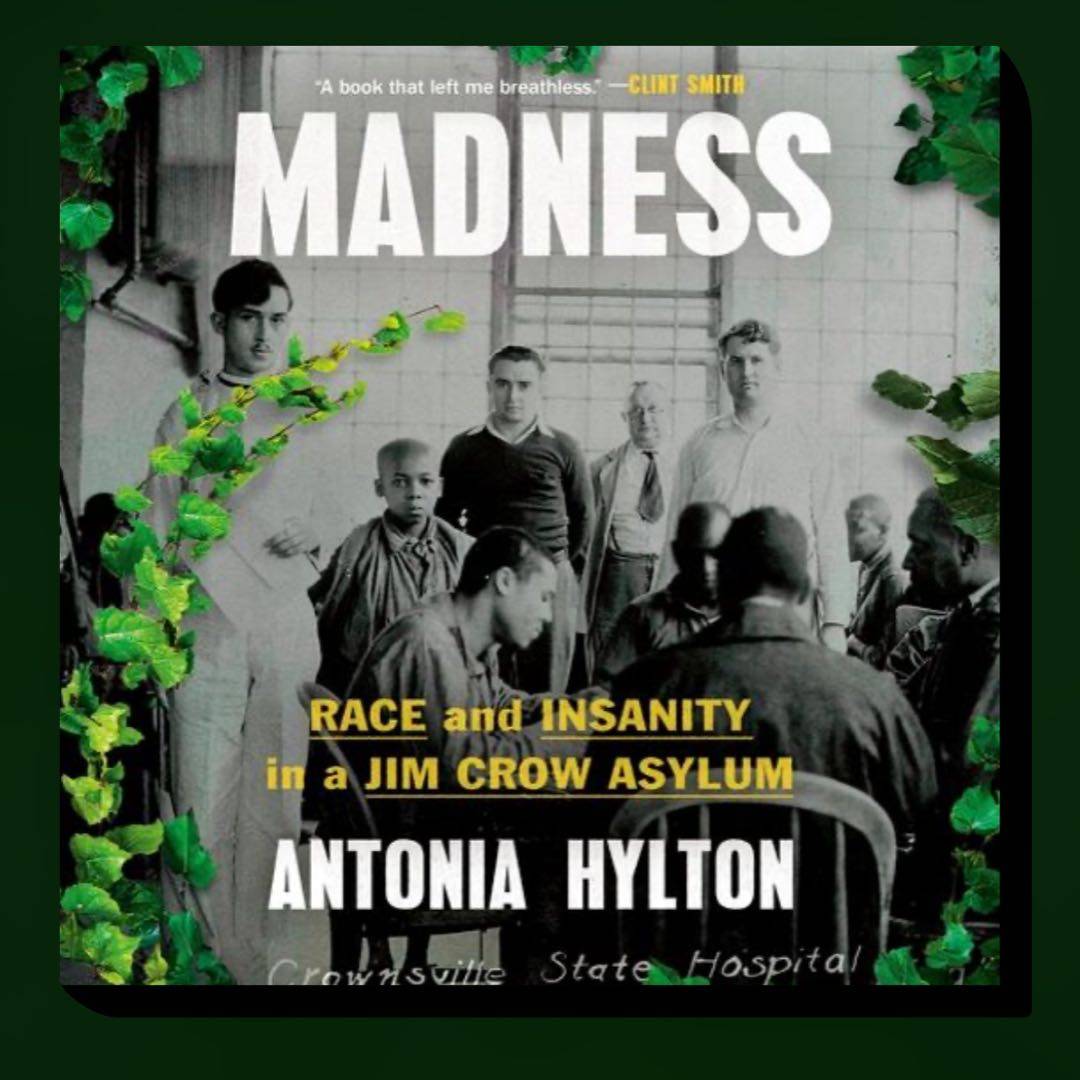
pickSome local to me history about the Crownsville Hospital. This psychiatric hospital was built in 1910 for the black residence of Maryland. If it sounds familiar, this is the hospital Henrietta Lacks‘s daughter was in. It has a sad and ugly history but I‘m glad something good will be done with the property in the coming years.
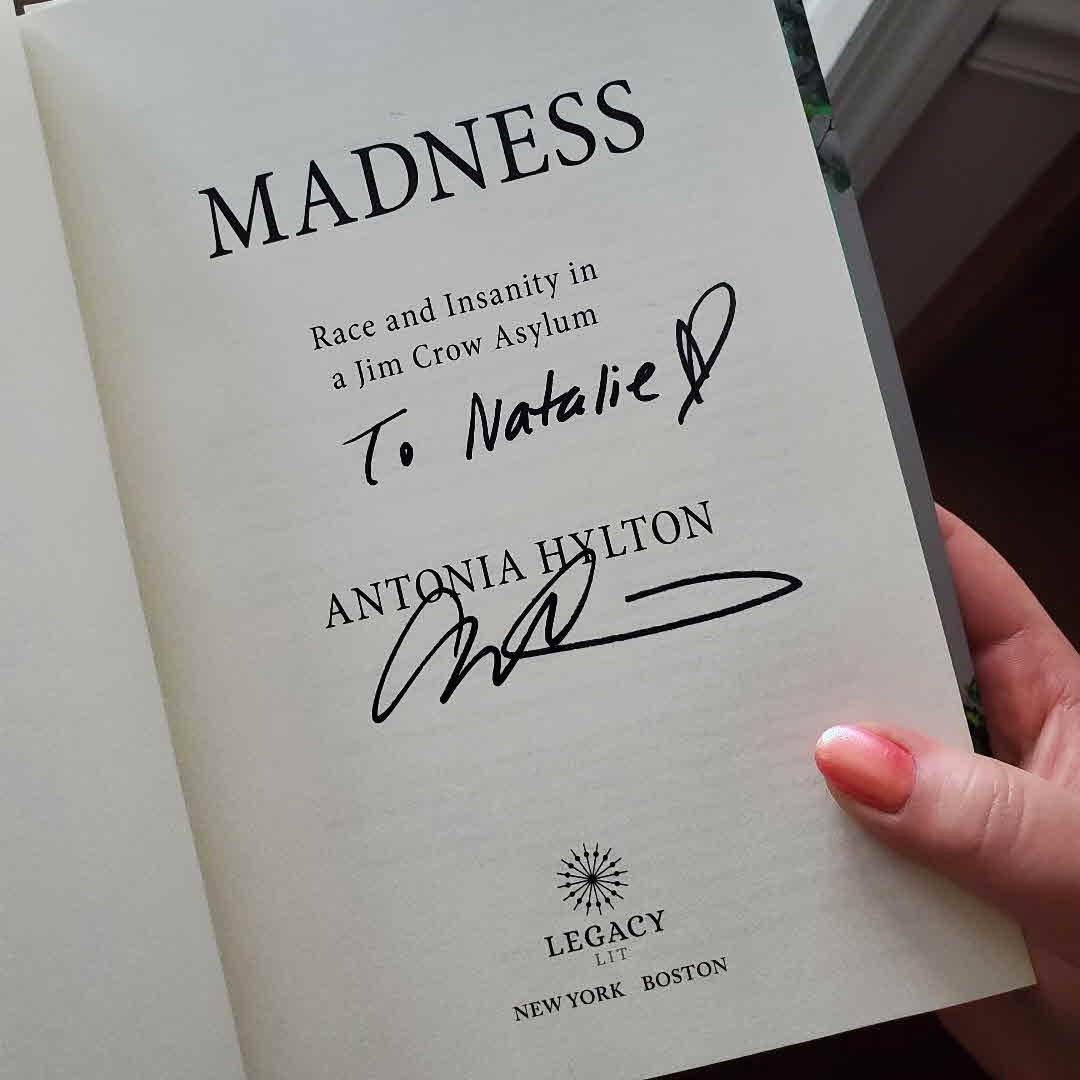
Got to meet Antonia Hylton this morning, and add another autographed book to my collection!