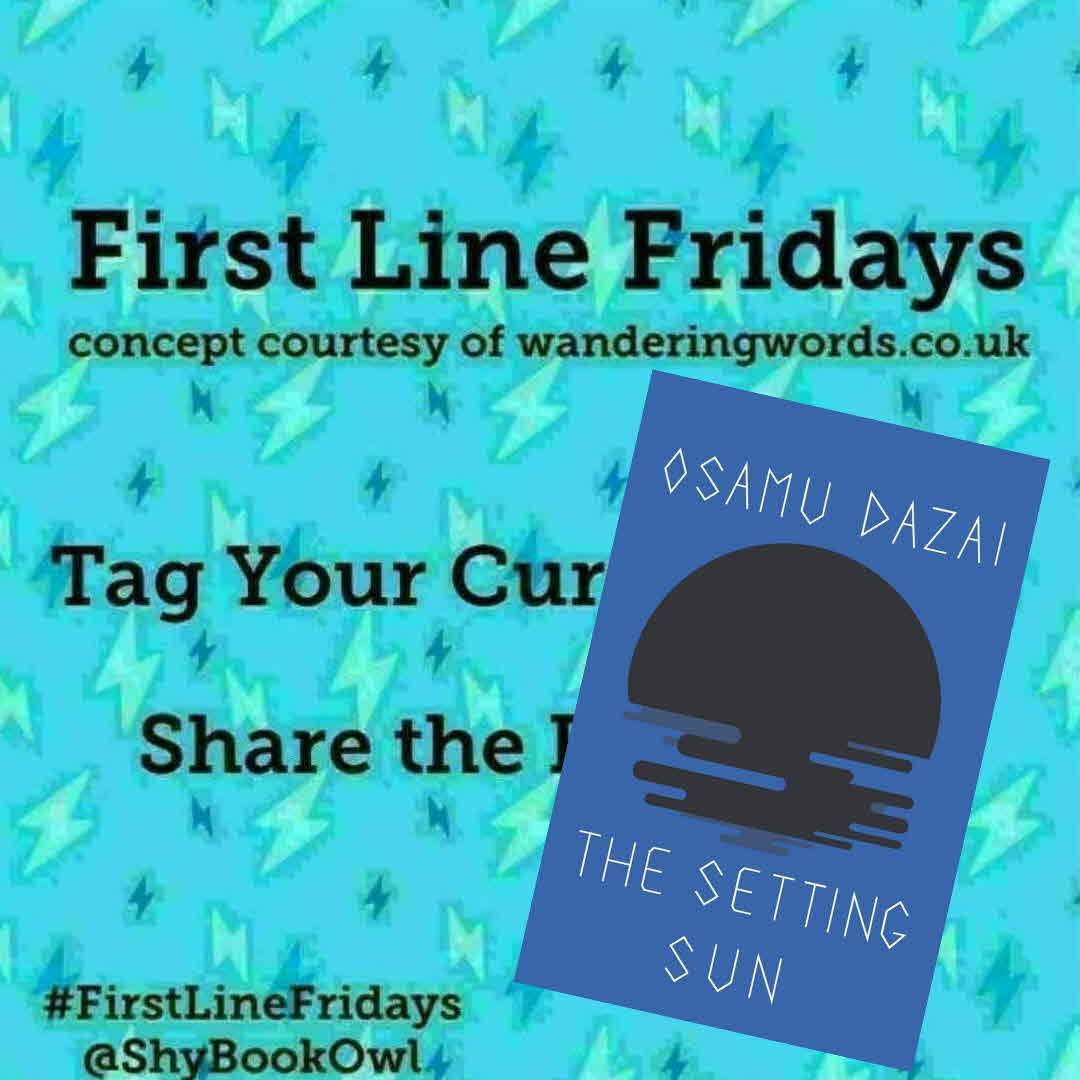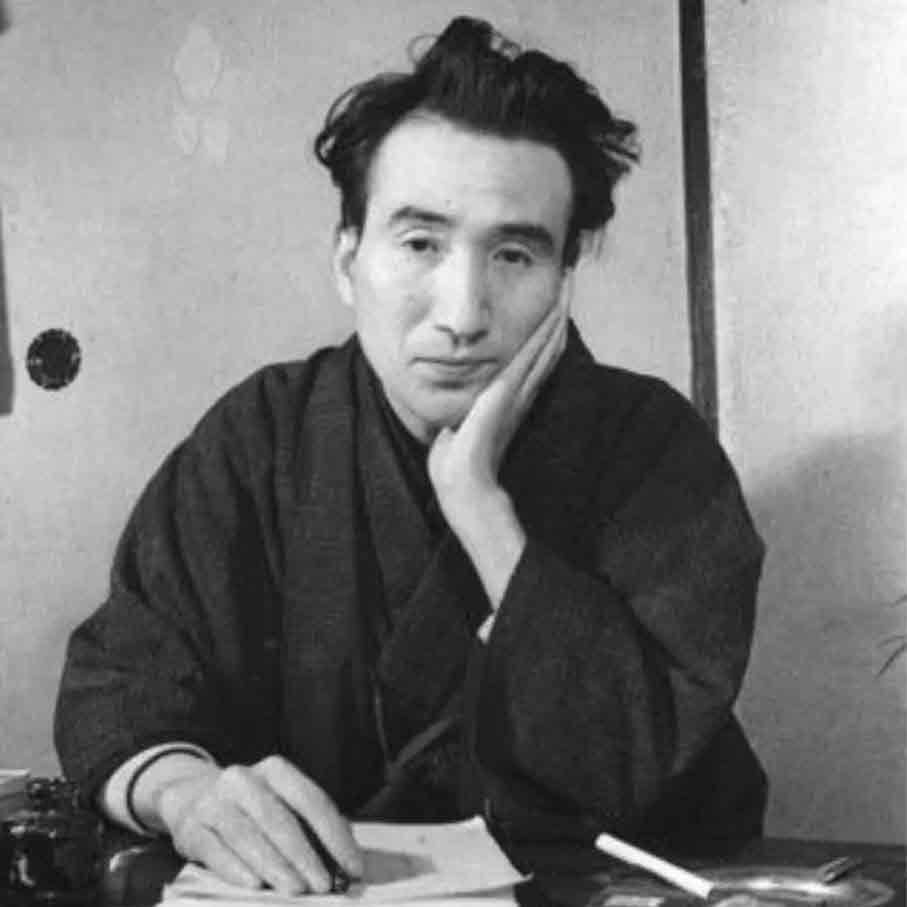
Where I work my way through The Setting Sun by Osamu Dazai translated by Juliet Winters Carpenter https://www.suzs-space.com/the-setting-sun-by-osamu-dazai-translated-by-juliet-w...
2 likes





Where I work my way through The Setting Sun by Osamu Dazai translated by Juliet Winters Carpenter https://www.suzs-space.com/the-setting-sun-by-osamu-dazai-translated-by-juliet-w...
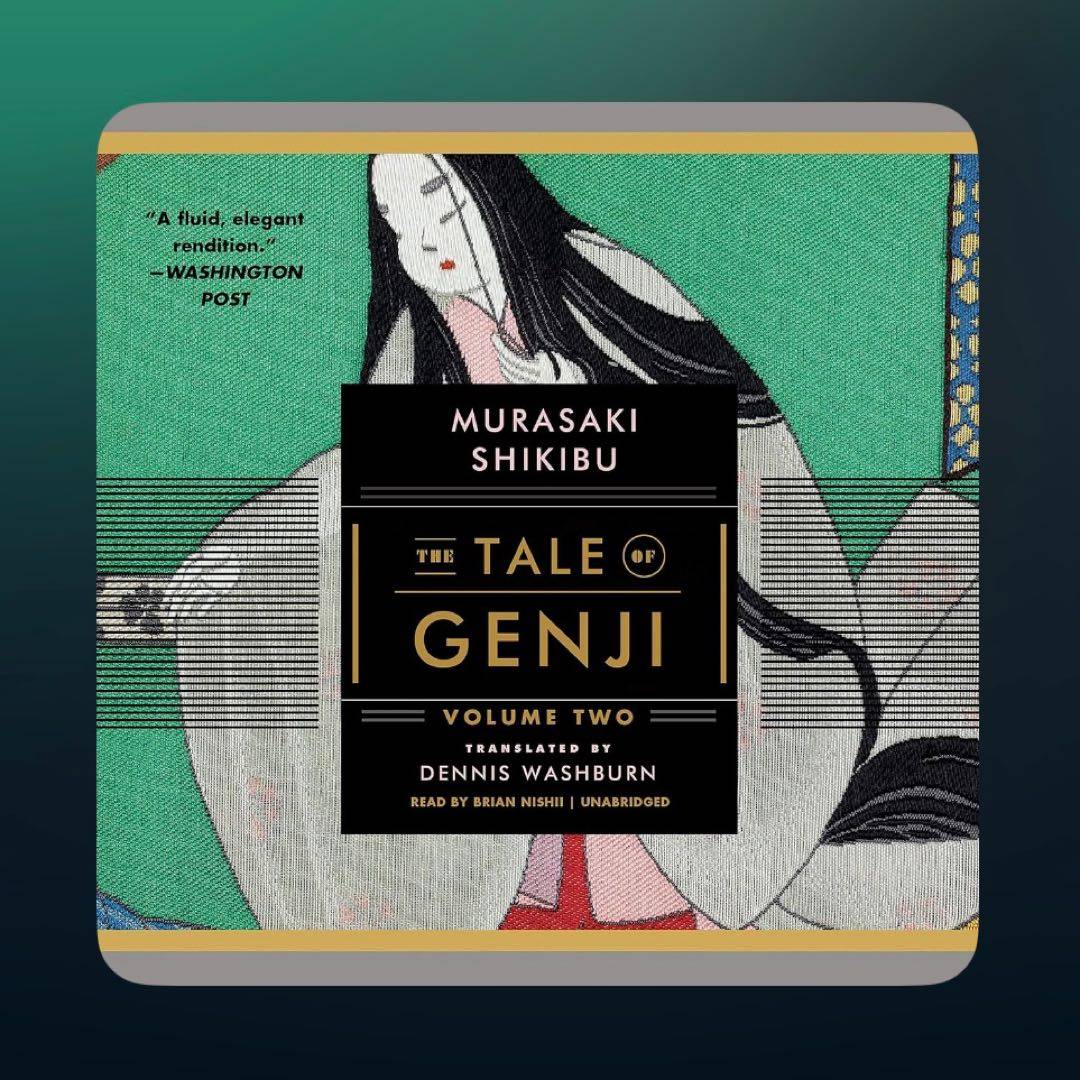
Today I finished an audio reread of The Tale of Genji. I did not listen nearly as carefully as I read the first time a few years ago, but I found it interesting how some scenes were so familiar from the previous read. It is still a beautifully written but infuriating story.
#1001books #Reading1001 #audiobook #Translated

View from the passenger‘s seat on my way home yesterday. #beautybreak

 pick
pickGiven its themes of endings, decline, decadence, and life-weariness, and its post-war setting, Dazai's novel cannot fail to be sad. Terminal illness, omens of death, addiction, emotional cruelty and suicide feature prominently, and Dazai died by suicide the year after its initial 1947 publication. But...
Despite her brother's dismissal of the old order as failed, and the new generation as dying on the vine, there is a scintilla of hope in ⬇️
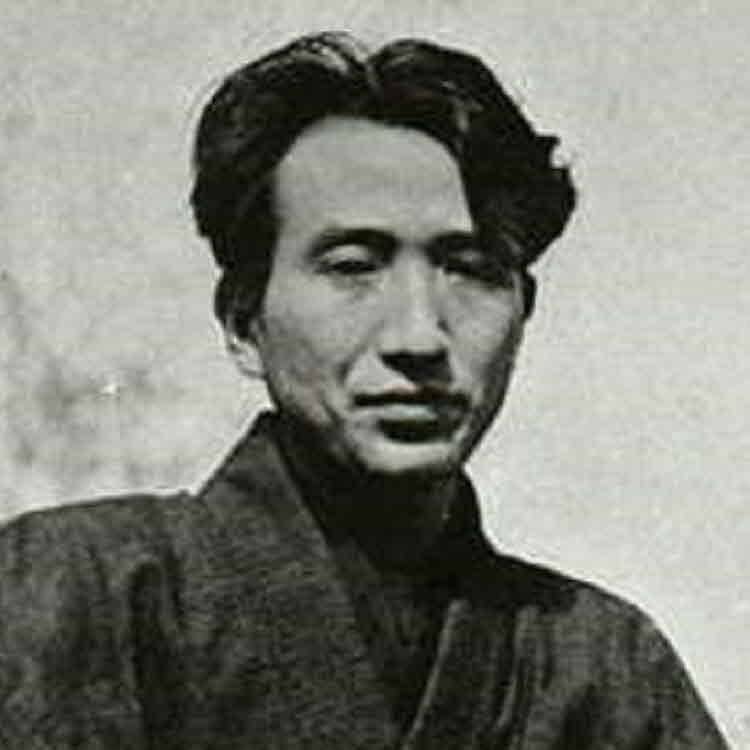
"People always make a serious face when they tell a lie. The seriousness of our leaders these days! Pooh!"
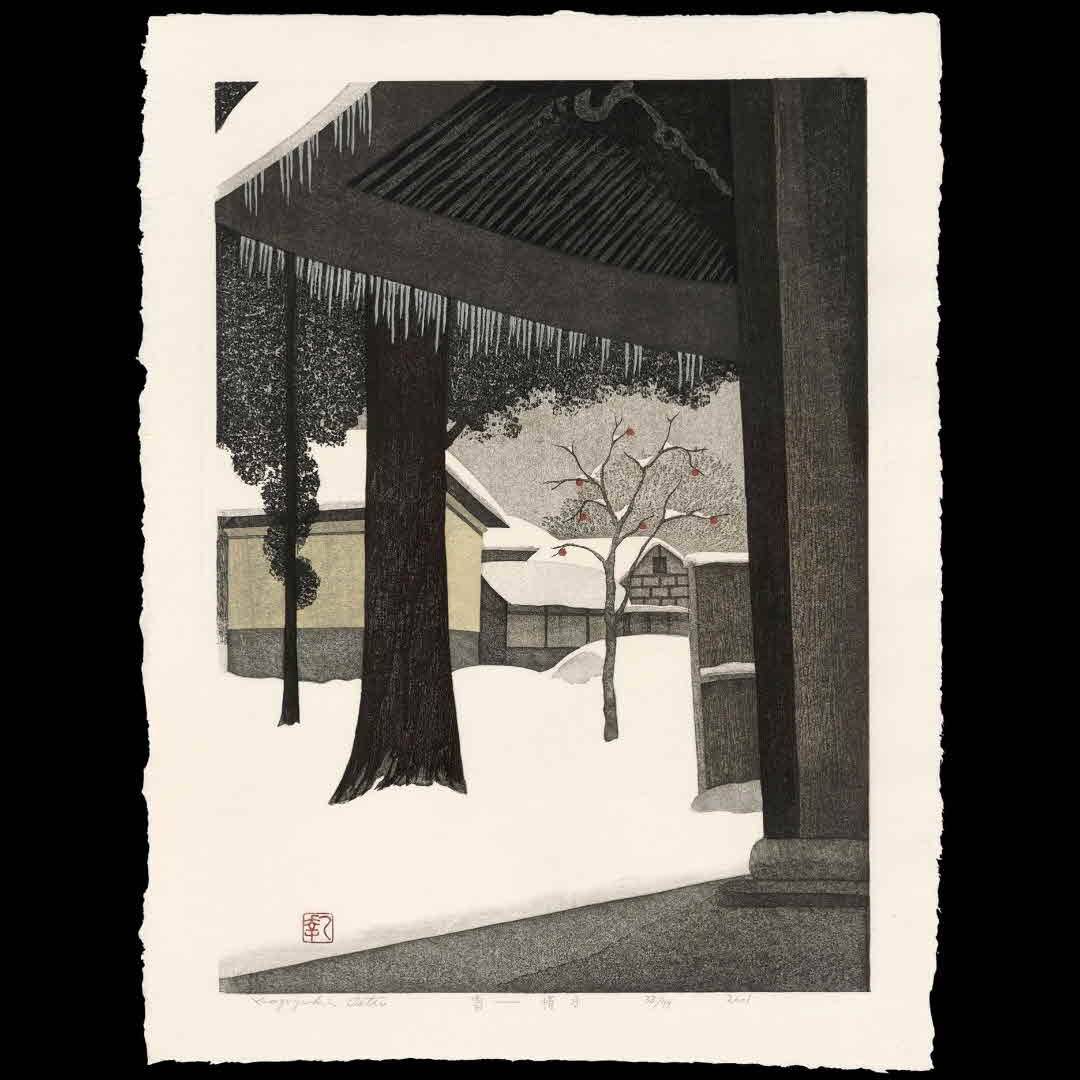
"From that day to the present, we have managed to continue our solitary lives in this cottage in the mountains. We prepare meals, knit on the porch, read in the Chinese room, drink tea - in other words, lead an uneventful existence almost completely isolated from the world."
My idea of paradise! ?
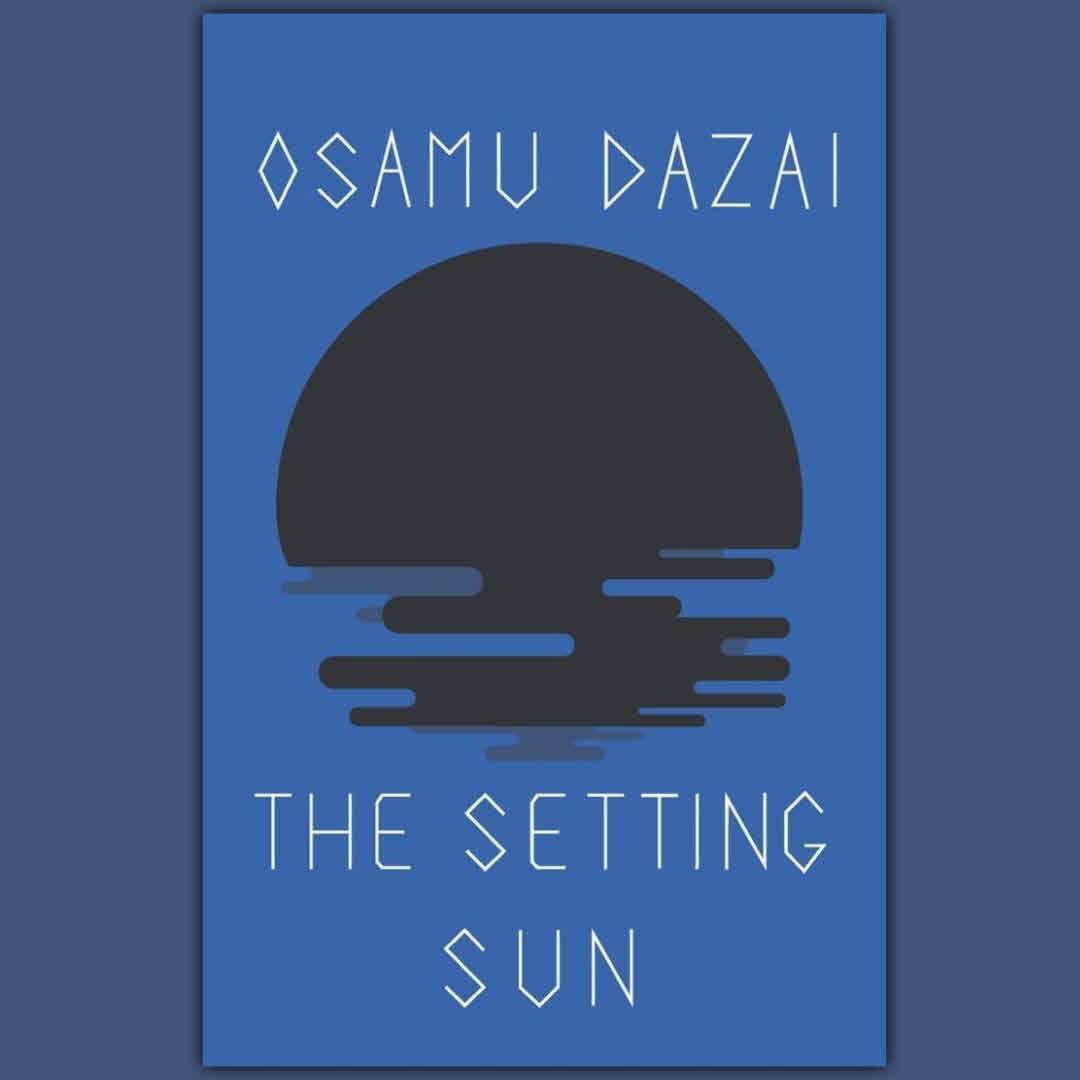
Next up, Dazai's novel of the decline of the Japanese aristocracy immediately following WWII. Published in 1947, the year prior to Dazai's death by suicide, it's tragic in tone.
The translator's introduction in this edition was written in the 1950s, and is itself an interesting, if brief, historical insight into a contemporary Westerner's perception of Japanese post-war culture.