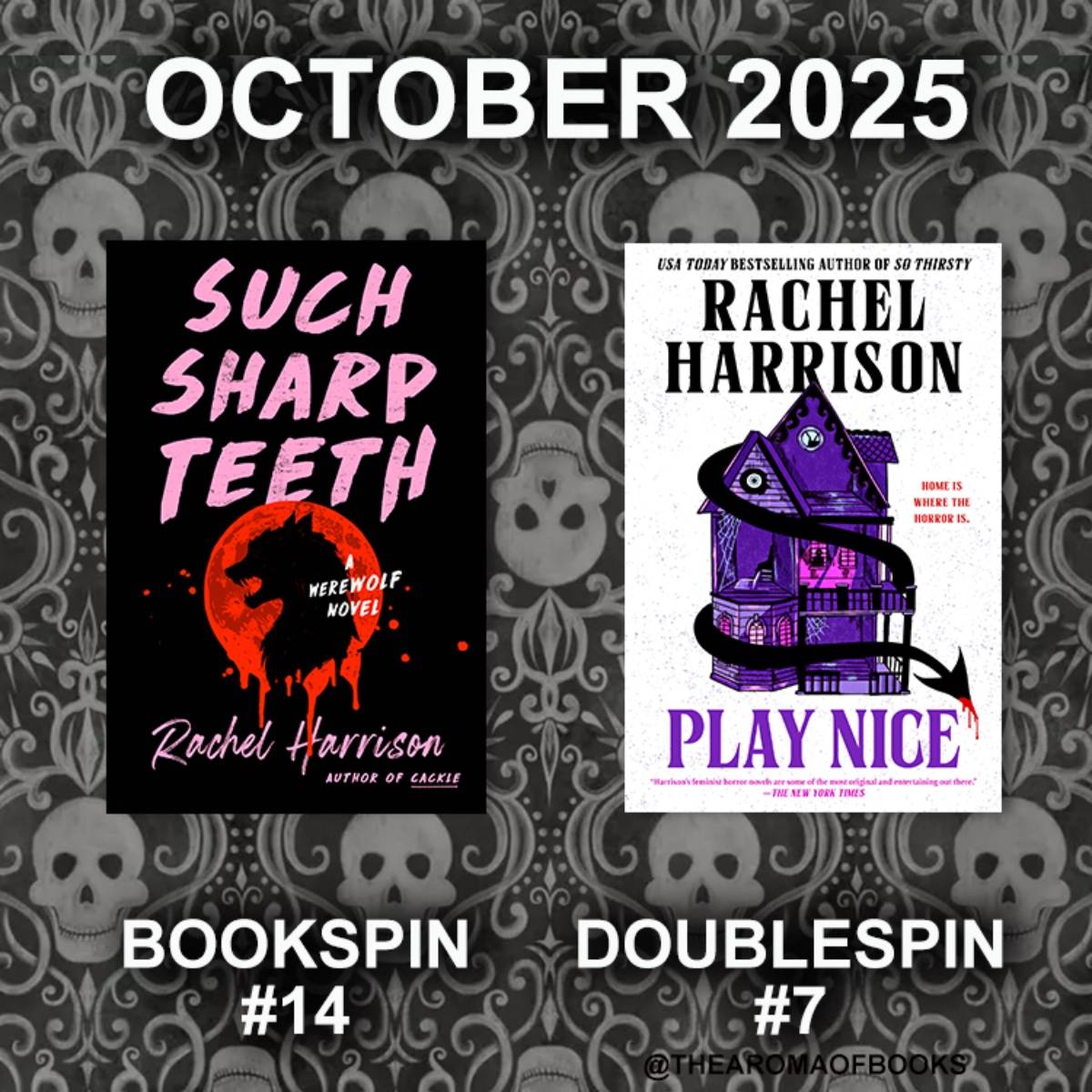
It's a Rachel Harrison October for my #Bookspin and #Doublespin and I'm all in for it. @TheAromaOfBooks
wildwoodreads Ohh you‘re in for some fun! I love both of those! 3mo
TheAromaofBooks Yay!! Enjoy!! 3mo
46 likes2 comments

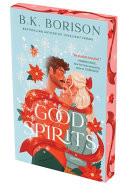
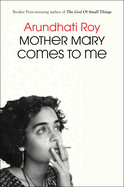
It's a Rachel Harrison October for my #Bookspin and #Doublespin and I'm all in for it. @TheAromaOfBooks
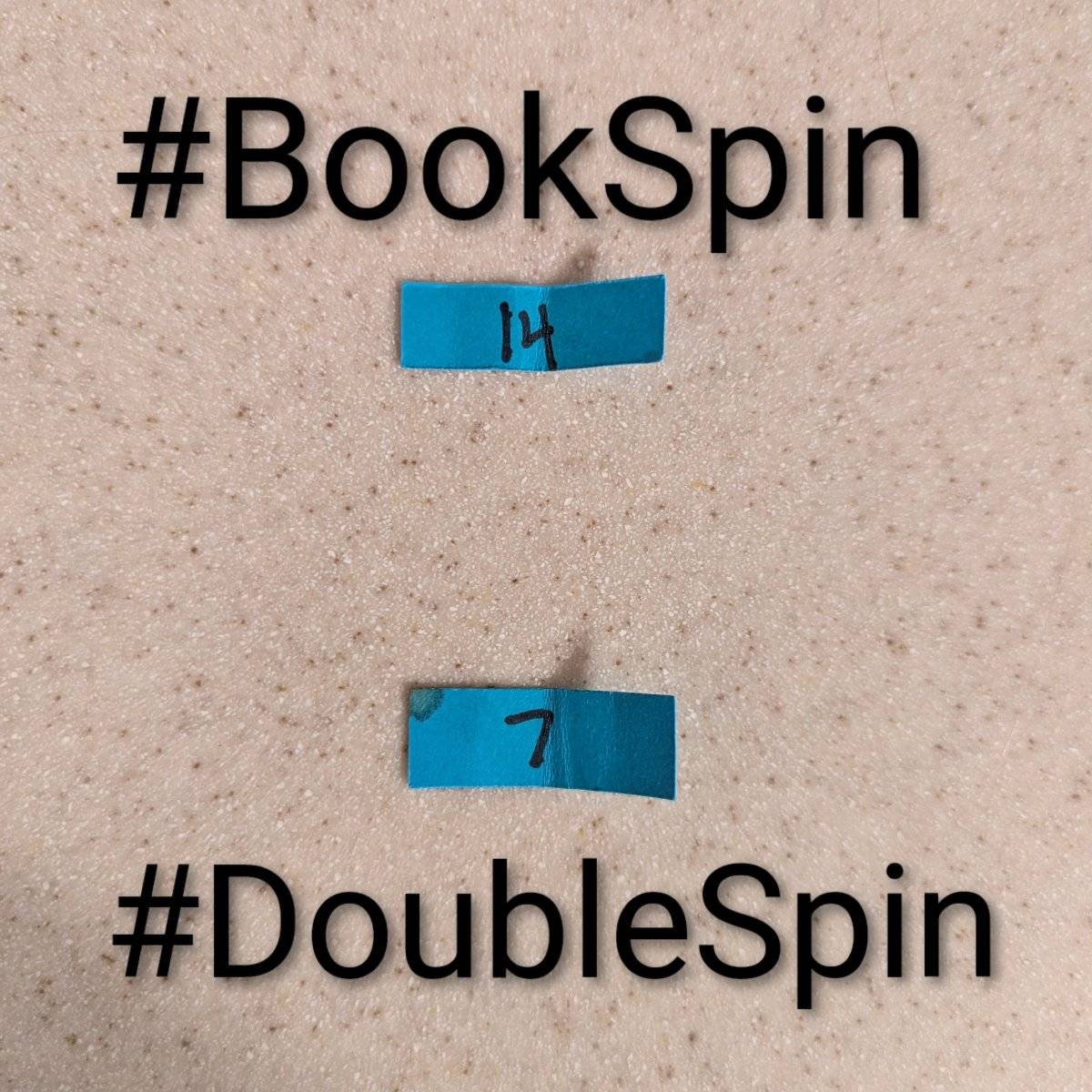
Good morning, everyone! The moment you have all been waiting for!! Our official #BookSpin number is FOURTEEN! Our official #DoubleSpin number is SEVEN!! I have thoroughly enjoyed looking at everyone‘s lists & am really looking forward to seeing your reviews!!
My next post will be the #BookSpinBingo card. I am NOT tagging anyone on that post!! If you want to bingo, please just check my profile for the card. This saves me having to double tag ⬇
“This looks like an ordinary box full of ordinary yarn. But it turns out it isn't.“
“Every day Annabelle kept knitting, and every day the colors spread a little farther.“
Extra Yarn can spark classroom discussions about kindness, generosity, and the impact of small actions. Students can talk about how Annabelle‘s knitting changes the town and relate it to times they helped someone or made a positive difference.
Extra Yarn can be used in a elementary classrooms to teach lessons about generosity, creativity, and problem-solving. You can use this book to discuss the main character‘s choices, encouraging students to think about how small actions can make a big difference.
 pick
pickExtra Yarn by Mac Barnett is a picture book published in 2012. The illustrator uses color to create contrast between the town, which is very gray and gloomy, and when Annabelle knits, which is warm and vibrant. The use of line makes the knitted items stand out and draws the attention of the reader. The illustrator also used texture to make the yarn look very life-like.
pickPicturebooks (2012): Extra Yarn by Mac Barnett, illustrated by Jon Klassen, features whimsical, detailed illustrations that bring warmth and charm to the story. The simple, muted color palette highlights the magical yarn, while expressive characters and clever visual details emphasize generosity, community, and the transformation of the town. The illustrations beautifully complement the story‘s themes.
“She started knitting sweaters, scarves, mittens, and hats for everyone she knew—and even for people she didn‘t know.”

![[tagged book]](https://image.librarything.com/pics/litsy_webpics/icon_taggedBook@3x.png)